Besides saving on space, washer/dryer combos offer other benefits for homeowners. But is this appliance worth the investment?
Space Saving
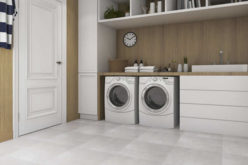
Washer-dryer combos incorporate both a washer and dryer into one appliance that fits into half the footprint of two standalone machines. These units offer the best of both worlds for small laundry spaces, making them popular in city apartments and other tight living quarters.
They also provide a great solution for people who have mobility issues or want to save time moving wet clothing from the washer to the dryer.
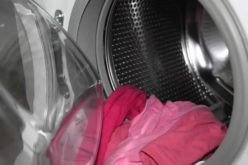
Regarding washing performance, most washer-dryer combos operate just like standard front-loading washers. They have a drum that holds the clothes, filled with water and detergent, then agitated and spun to clean them.

The dryer part of the appliance then tumbles and dries the fabric, reducing wrinkles and keeping the clothes fresh.
The biggest drawback to a washer/dryer combo is its limited capacity. Most combination machines have a maximum load size of about 10 pounds.
It means you’ll need to complete many more cycles than you would if you used separate appliances.
It’s also worth mentioning that these machines often have longer cycle times than standalone washers and dryers, so you won’t be able to streamline your laundry process by running one machine while another is in use. It may be inconvenient if you’re trying to save space in a smaller laundry room.
Convenience
Having one appliance that can wash and dry clothes eliminates the need to move laundry between machines. It can greatly benefit those with mobility issues or those who live in an apartment, condo or small home with limited space.
An all-in-one and stackable washer dryer works like conventional front-loading washing machines and offers all the features and programs with standalone washers and dryers. The difference is that they also contain a dryer and take up half the space of two separate appliances.
The drying portion of these appliances works on the same horizontal axis as the washer. It is designed to lift and plunge clothes back in for drying, creating less stress than traditional front-loading dryers. It can help prevent snags and other damage to the clothing.
In addition, washer-dryer combos use much less water than standard washers and require a lower voltage electricity outlet for operation, as opposed to a 240-volt requirement for most standalone dryers.
Although washer-dryer combos offer many conveniences, they can sometimes take longer to complete a full wash and dry cycle than their separate counterparts. The dryer component has a smaller capacity than the washing component, and it takes more time for hot air to reach the wet laundry inside.

Energy Efficiency
A washer/dryer combo appliance washes and dries your laundry. These units, available in vented and ventless models, can be programmed to do wash or dry cycles or both at once. They are ideal for small spaces and provide one-stop washing and drying convenience.
All-in-one appliances like these are a big space saver, taking up half the footprint of two separate machines. They also eliminate the need to transfer your wet clothes from the washer to the dryer, as they can be programmed to start drying once the washing cycle is complete automatically.
Most washer/dryer combos offer all the programs, modes and features that standard front-loading washing machines and dryers do while providing a smaller footprint in your home. They also typically have high max spin speeds to quickly get your wet laundry out of the drum and ready for the dryer.
However, there are some drawbacks to washer/dryer combinations. For one, their drying performance leaves much to be desired.
Moreover, these units are often more complex than standalone washing machines and dryers, so they may require more time and money to repair. Finally, they tend to wear out faster than standalone appliances.
Choosing the best washer/dryer combo for your household will depend on your family’s specific needs and lifestyle, so it’s important to research all the options before purchasing.
Cost
Washer/dryer combos are great for smaller homes, apartments and condos. They save space by combining two large appliances into one and offer the convenience of washing and drying in a single cycle.
It means that homeowners don’t have to return to the laundry room between cycles or worry about forgetting to move a load from the washer to the dryer (a common issue with traditional separate washer and dryer units).
other related articles of interest:
Laundry Renovations 101: What To Do And How To Do It
Clothing Dryer Repair: Common Problems and Troubleshooting Tips
Washer-dryer combos wash exactly like conventional front-loading washing machines. They add water and detergent, then agitate, spin and rinse the clothes. They use less water than their standalone counterparts, and they can also reduce energy consumption by using a heat pump to dry the loads.
However, combining a dryer with the washing machine often results in longer cycles than standalone dryers. It can be frustrating for many consumers, and it’s important to know this before purchasing.
Another disadvantage is that because they combine functions, washer-dryer combos are typically less reliable than standalone appliances. They also tend to have more complicated machinery parts, so there’s a higher chance that something will go wrong.
It is sometimes an issue, but it is worth considering. For these reasons, many buy a washer/dryer combo only when they’re sure it will be used regularly and for large quantities of laundry.
Find Laundry Installation Appliances Appliance Install Appliance Repair Electrical Plumbing Issues Drain Clearing top-rated, pre-screened local contractors FREE: download contractor selection enter zip code – powered by HomeAdvisor ™


Image credit: washer/dryer combos by envato.com
end of post … please share it!
| more photo remodeling |
Jump Over to Our Photo Analysis Center for Ideas on
"Renovating Home"
|__________________________________________________________|
home remodeling surprise
find out where it might go - new win


Helpful article? Leave us a quick comment below.
And please share this article within your social networks.