Installing a bathtub in your home is a significant project and will involve several essential considerations. These include the available space in your bathroom, the type of bathtub to install, the faucets you’ll use, and the maintenance requirements to ensure your bathtub will function optimally for years to come.
Moreover, on the technical side, another crucial aspect to consider is the installation of your chosen bathtub and how your plumbing system should be configured to accommodate this change.
For best outcomes, it’s always recommended to work with plumbing professionals and reputable contractors that can deliver quality results and also support causes you love, like what Dan’s Plumbing is doing with Beyond Blue. Doing so can help ensure you’re not only getting quality services but also allow you to support a good cause.
To help you get started on this project, here are some of the well-known bathtubs on the market today and an overview of their plumbing requirements.
Freestanding Bathtub
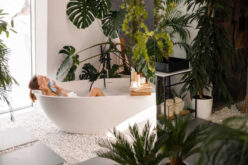
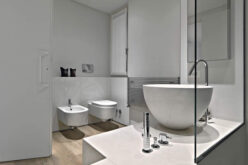
A freestanding bathtub boasts a streamlined finish on all sides and is readily available in various designs and details. Most are available in materials such as acrylic, cast iron, stone, copper, and stainless steel. Generally, these bathtubs can impart a more elegant appeal than the other types of bathtubs.
A freestanding bathtub may be ideal if you have a spacious bathroom. However, due to the tub’s weight, you should consider whether the flooring requires further support. And considering its nature of not being attached to the walls, its plumbing system can be tricky.
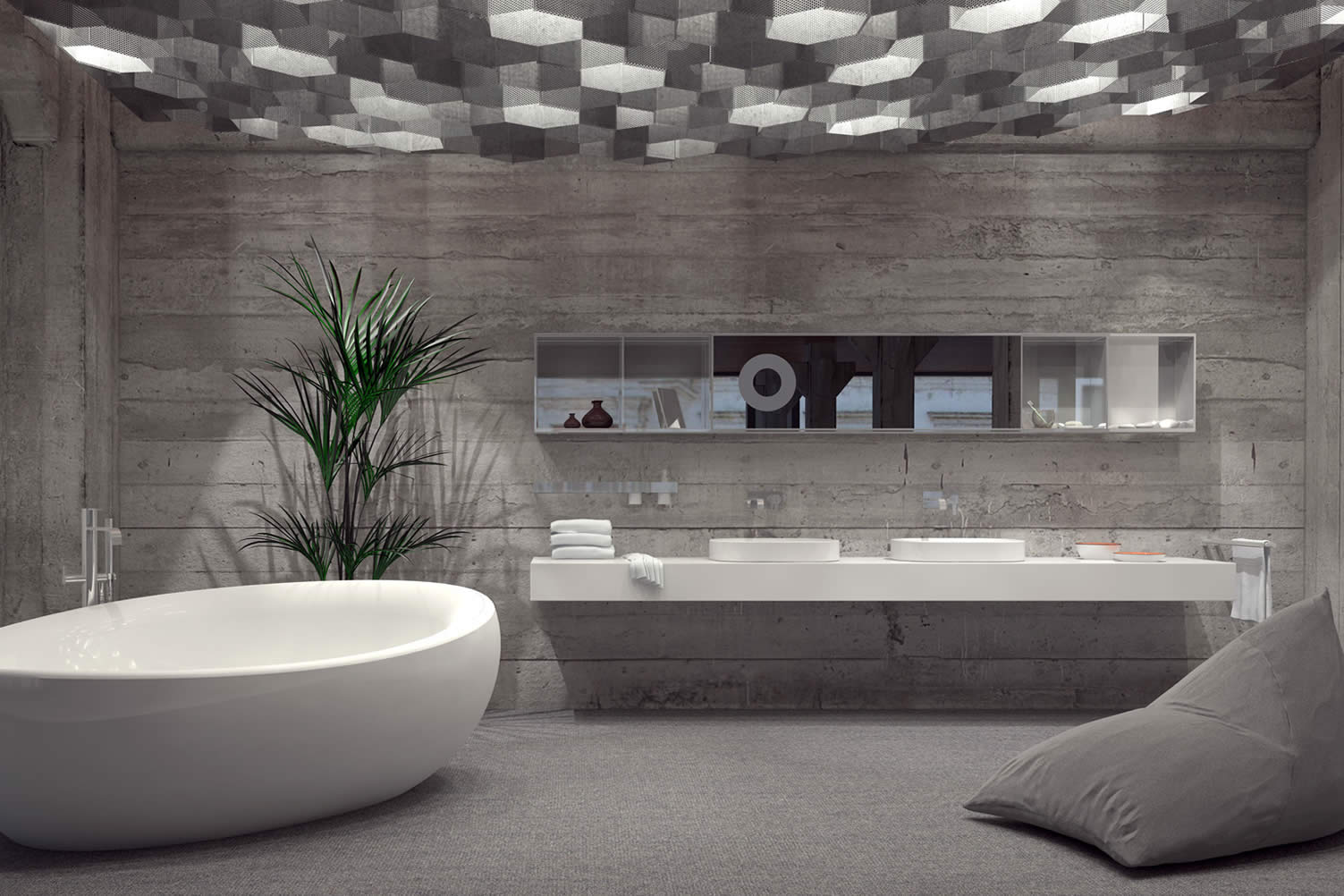
image credit by 123rf.com
With this type of bathtub, it’s critical to know where exactly you’ll place the tub inside your bathroom and the positioning of the faucet. A floor-mounted faucet or freestanding faucet may be a popular choice which is drilled into the flooring, connects to your home’s plumbing system, and rises over the top of the freestanding bathtub.
If you go for this type of faucet, note that it requires access under the flooring, which is something to think about whether it’s feasible for the current infrastructure of your bathroom.
Walk-In Bathtub
A walk-in bathtub is ideal for seniors or individuals with mobility issues. The design is specially designed to allow a person to conveniently walk in and sit down without worrying about slipping due to the grooves and notches within the tub.
The bathtub is designed with a wide door, safety bars or handrails, and low step-in and slip-resistant features depending on the brand. In most cases, walk-in bathtubs can be installed as a shower and tub combo.

image credit by mansfieldplumbing.com
However, since the water has to be drained before exiting the tub, reliable drainage is essential. Some walk-in tubs offer innovative features like fast-fill and draining technology that can make it more convenient for users. You can consider those when getting walk-in tubs installed.
Regular Bathtub
An alcove bathtub has been a favorite choice for space efficiency and is a standard in most homes. Generally, the bathtub is positioned between three walls, with one finished side.
The available models come in various materials, such as acrylic, fiberglass, cast iron, and stone resin. Most can be separated from a shower, but you have the option to combine them.
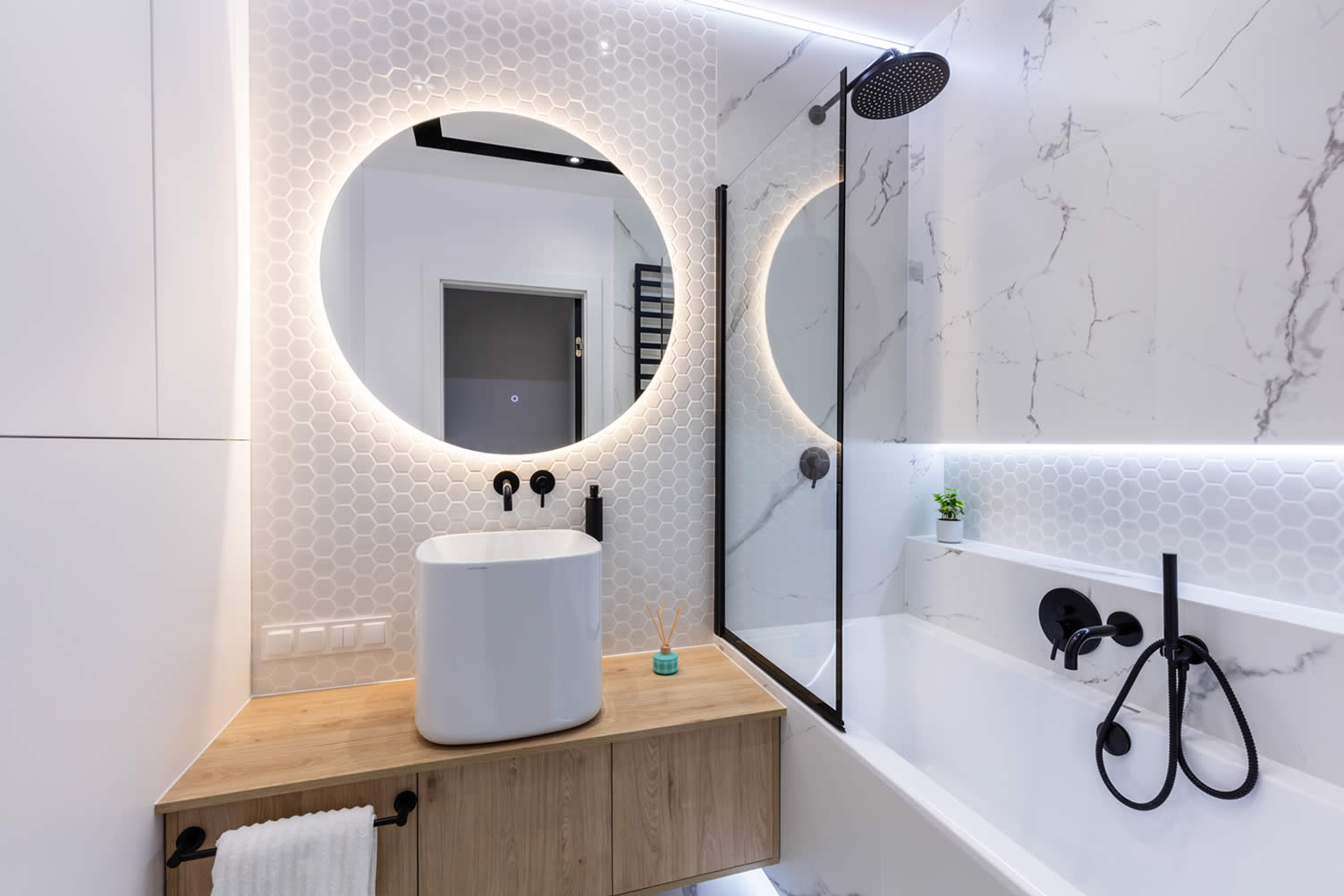
image credit by mansfieldplumbing.com
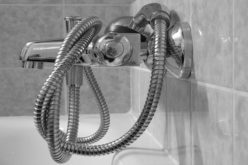
If you choose an alcove bathtub, a wall-mounted faucet works best. A wall-mounted faucet connects to your home’s plumbing system behind the wall without any uncovered pipes. Generally, the faucet spot and handles suspend over the tub’s edge.
Drop-In Bathtub
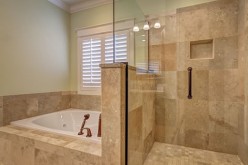
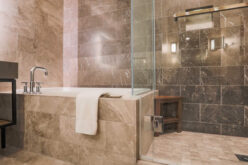
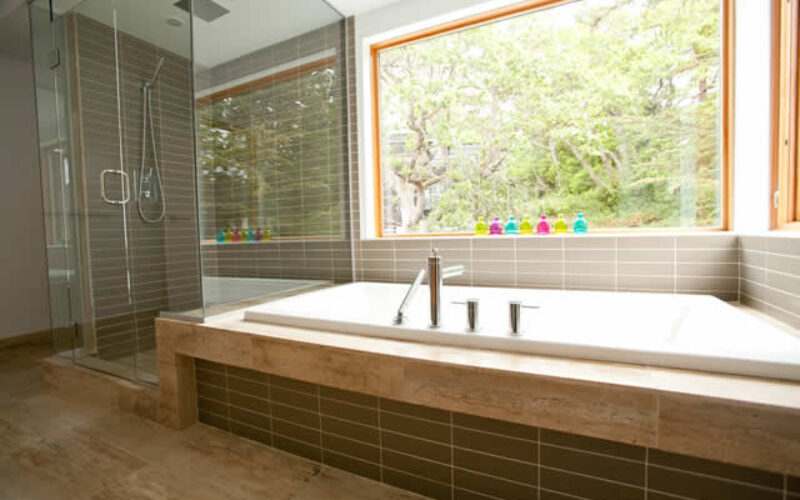
A drop-in bathtub may be ideal if you want a customized deck for your bathroom. Generally, the tub is bordered by flooring or walls. Today, you’re likely to see drop-in bathtubs in a corner, an alcove, or positioned on the floor.
A drop-in bathtub works best with a deck-mounted faucet installed on the deck surrounding the tub. In most cases, it’s installed along the upper edge of either end of the tub.
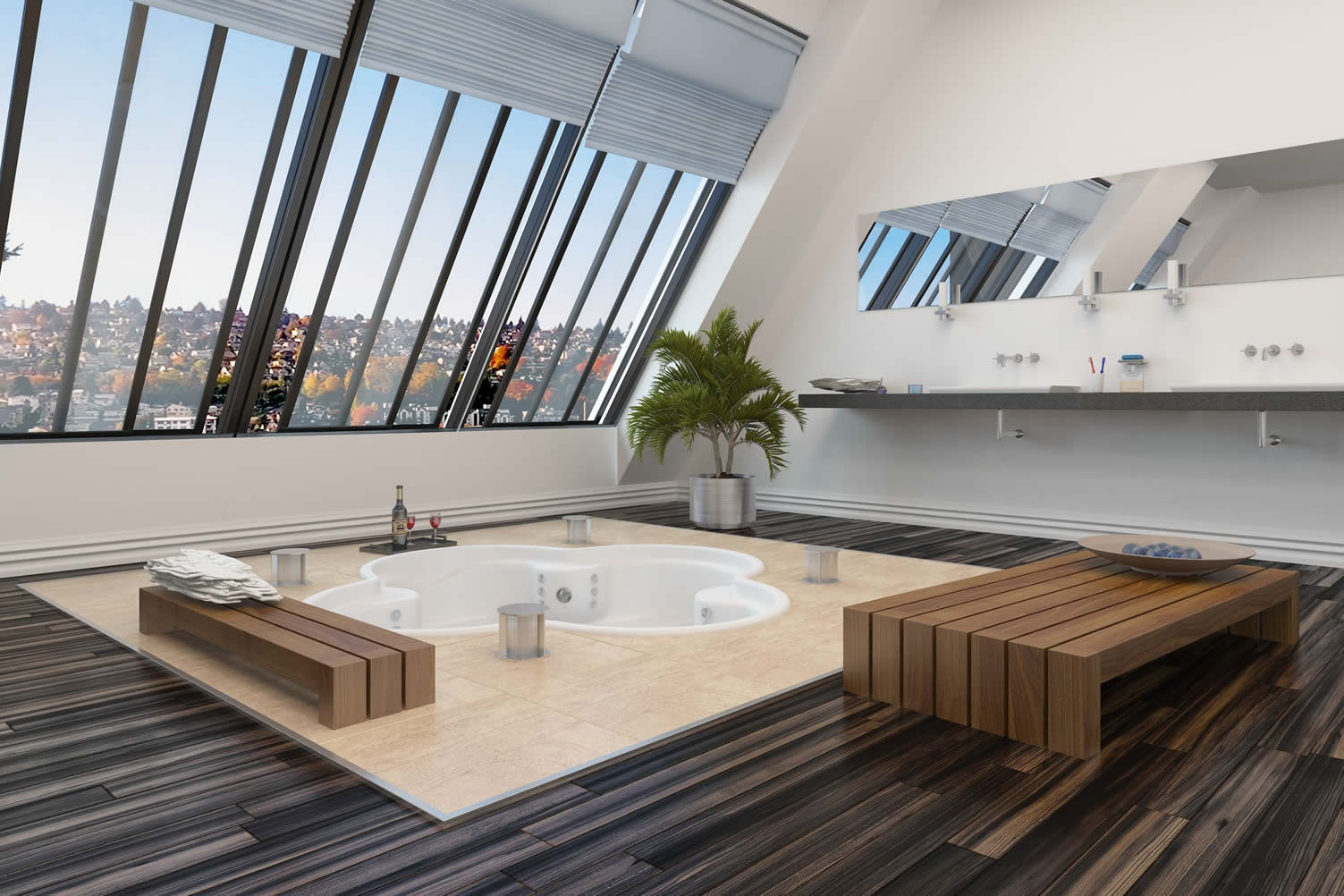
image credit by 123rf.com
The faucet takes up space along the deck area surrounding the tub or supporting wall. It can either tap into the plumbing lines under the floor or water lines embedded in the adjacent walls.
Hot Tub
Most of the modern hot tubs on the market are generally self-sufficient or self-contained units when it comes to the plumbing aspect. If you’re planning to add one to your backyard, consider a location with adequate space, safe from the elements, and a good level of privacy.
On the other hand, if you’re planning to place it indoors, ensure your bathroom’s flooring is sturdy enough to handle the tub’s weight.
Essentially, installing a hot tub has electrical and plumbing requirements. Depending on the tub’s connections, a 220-volt connection should have a secure link to your house’s power supply, while a 120-volt connection will work with a dedicated grounded outlet. Make sure the wiring is protected with a ground fault circuit interrupter (GFCI) to lower the risk of electrocution.
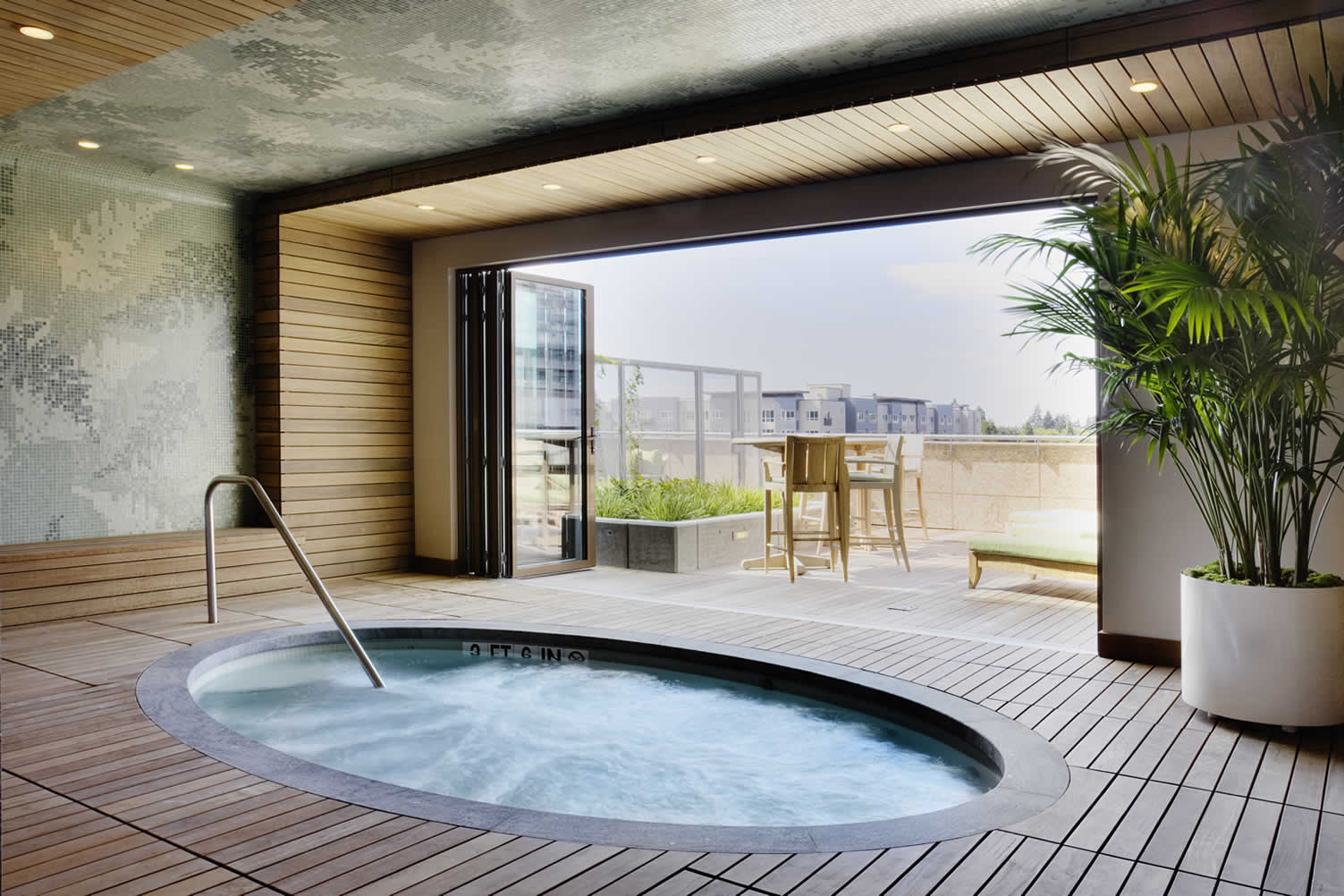
image credit by envato.com
As for the plumbing requirements, you can readily fill your hot tub using a hose that you can connect directly to an outdoor tap. When draining the water for routine changes, affix a hose to the drain port and direct the water flow to a storm drain or area away from your home’s foundation.
However, much like any bathtub type, to ensure convenience and the best outcome right from the start, always consult and work with a professional.
Conclusion
A bathtub is both a functional and an aesthetic update to your bathroom. Depending on the type of bathtub you want to install, there are several considerations to keep in mind, such as the plumbing a specific bathtub requires.
Gaining an insight into the different plumbing requirements of various bathtubs can help you decide which one will work best for your upcoming bathroom upgrade.
Find Bathroom Services Bath Remodeling Cabinets Plumbing Flooring top-rated, pre-screened local contractors FREE: download contractor selection enter zip code – powered by HomeAdvisor ™


Image credit: types of bathtubs by envato.com
end of post … please share it!
|__________________________________________________________|
home remodeling surprise
find out where it might go - new win


Helpful article? Leave us a quick comment below.
And please share this article within your social networks.