
Flooring is one of the largest elements in a room, which is why it’s an important design detail. The material affects color, texture, pattern, and light. Flooring choices can also make small rooms feel cozier or more spacious. Let’s compare popular flooring options and how you can use them to shape mood.
Carpet Adds Softness
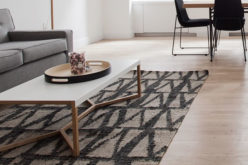
Carpet can make a small room feel warmer and more relaxed, especially in bedrooms, reading corners, or family spaces. Lighter carpet shades tend to open the room visually, while darker tones can make it feel snug and enclosed.
Texture matters just as much as color in a compact room. A low-pile carpet usually works better than a thick plush style because it keeps the surface looking smooth and tidy. If you want to add depth, consider using a subtle woven or looped carpet.
Wood Tones Creates Flow
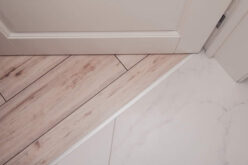
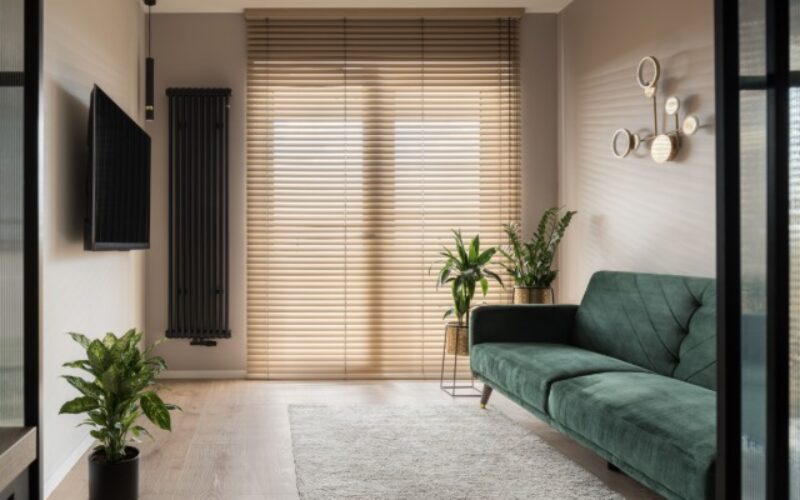
Wood floors can help a small room feel more connected to the rest of the home. When the same wood flooring extends from a hallway into a smaller space, the eye moves naturally rather than stopping at the doorway. This sense of flow can make the room seem less boxed in. If your space already has planks but some of them are cracked, that may be a sign you should replace the flooring.
Board direction can also influence how the room feels. Planks laid lengthwise visually stretch a narrow room, while wider boards may create a calmer, less busy look.
Tile Reflects Light
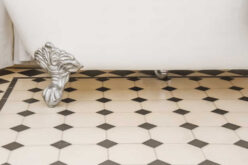
Tile can make a small bathroom, laundry room, or entry feel crisp and bright. Glossy or lightly polished tiles reflect light, which makes spaces feel cleaner and more open. Larger tiles may also reduce the number of grout lines, creating a simpler visual field.
Keep Tile Proportions Balanced
Scale is one of the most important details to consider in a small room. Tiny tiles can create a busy look if the grout lines become too noticeable. In contrast, oversized tiles can work beautifully, especially if the pattern is calm.
Vinyl Offers Flexibility
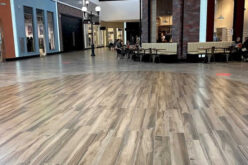
Vinyl flooring is useful in small rooms because it comes in many colors, patterns, and plank sizes. It can mimic wood, stone, or tile while often feeling softer and warmer underfoot.
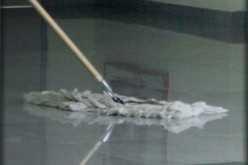
In busy households, vinyl can also be practical for spaces that need easy cleaning. Regular sweeping or vacuuming helps keep grit from scratching the surface over time. For spills, a quick wipe with a damp mop or soft cloth usually keeps vinyl looking fresh without much effort.
Small rooms work best when every design detail has a purpose, and flooring is one of the most important places to start. Carpet adds comfort, wood tones guide the eye, tile brightens the room, and vinyl gives homeowners plenty of design flexibility. The best choice depends on how you use the space and your personal sense of style.
Image Credentials: Photo by: Dariusz Jarzabek License # 548506648
|__________________________________________________________|
home remodeling surprise
find out where it might go - new win


Helpful article? Leave us a quick comment below.
And please share this article within your social networks.