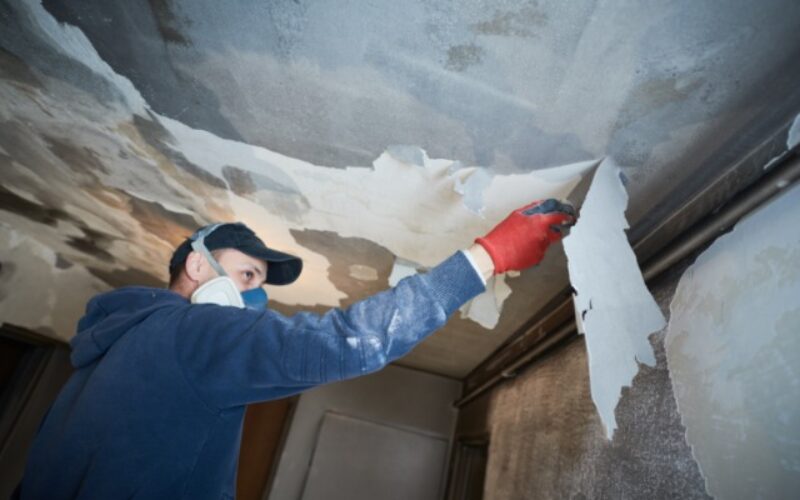
That’s exactly when costly choices can happen. Mistakes to avoid when renovating after a fire often start with decisions that seem reasonable at the moment, but create extra repairs, delays, and stress once the work gets underway.
Starting Renovations Before the Property Is Safe
It’s common to want repairs moving right away, especially when your home already feels disrupted. That first step can create bigger problems if the property hasn’t been fully cleared for safety.
Fire can weaken framing, damage electrical systems, and leave behind unstable materials that are easy to miss at a glance. Renovation work needs to start after the home has been inspected, and the hazards have been identified, so the work happening next is built on a safe foundation.
Overlooking Hidden Damage
One common mistake homeowners make when restoring their property after smoke and fire exposure is missing damage. Be aware there may be hidden damage in your home that’s not obvious to the untrained eye. If you renovate without first addressing this damage, repairs can get more expensive and parts of the home may stay unsafe.
Common types of hidden damage after a fire include smoke contamination, weakened structural materials, and moisture left behind from firefighting efforts. Be sure you and your contractor are thorough in checking for these conditions before tearing down walls or installing new materials.
Choosing Materials Based Only on Appearance
After a fire, it’s easy to focus on getting the home looking normal again. That mindset can lead to material choices that don’t hold up well in areas affected by heat, smoke, or moisture.
Some materials trap odors, some react poorly to lingering contamination, and some need replacement instead of cosmetic fixes. Renovation decisions need to account for durability, cleanup requirements, and compatibility with the repaired space.
A surface that looks good right away can create ongoing problems if it wasn’t the right fit for the conditions left behind.
Assuming Smoke Odors Will Go Away on Their Own
Smoke odors often stick around long after visible damage is gone. Fresh paint, new flooring, or updated finishes won’t solve the problem if odor particles are still sitting inside porous materials or HVAC components.
That can leave homeowners dealing with smells that keep coming back, even after the renovation looks finished. Odor issues need to be addressed at the source before cosmetic work begins. Otherwise, the home can look repaired while still feeling like the fire never fully left.
Underestimating The Need for Documentation
Paperwork often gets pushed aside when the focus is on repairs, but weak documentation can slow the entire renovation process. Photos, inspection notes, itemized losses, and contractor records help clarify what was damaged and what needs to be repaired or replaced.
Missing details can create confusion with insurance, lead to gaps in the scope of work, and make it harder to track whether the home is being restored properly. Good documentation keeps the renovation organized and helps prevent problems from being overlooked.
Moving Forward with Fewer Setbacks
The renovation process after a fire can feel overwhelming, especially when every decision seems urgent. It helps to know where problems tend to show up before the work begins.
When homeowners understand the mistakes to avoid when renovating after a fire, they’re in a better position to protect the home, avoid repeat work, and move through recovery with more confidence and less frustration.
Image Credentials: renovating after a fire by Kadmy, 469573036
end of post … please share it!
|__________________________________________________________|
home remodeling surprise
find out where it might go - new win


Helpful article? Leave us a quick comment below.
And please share this article within your social networks.