Expert services are essential for efficient and durable staining, especially when specialized products are needed. Understanding wood characteristics, available products, and application best practices is critical before stain selection.
Attention to the environment, including moisture levels and UV exposure, is crucial for a long-lasting finish. This knowledge prevents costly do-overs, preserves investment, and keeps wood surfaces looking their best for years.
Understanding Wood Types
Wood types interact differently with stains due to their grain pattern, porosity, and density. Hardwoods like oak and maple accept stains consistently, providing even and predictable coloration. With its open grain, Oak absorbs stain well, resulting in rich, saturated tones.

In contrast, softwoods—such as pine, fir, or cedar—may absorb stain unevenly, sometimes resulting in blotchy or patchy surfaces. This is especially important in large-scale or exterior projects, where professional log home staining services can ensure a more uniform and durable finish.
Before staining, it’s wise to test a small, hidden section to anticipate how your specific wood will look after application.
For projects with highly absorbent wood or a history of poor stain absorption, wood conditioners can be applied before staining to promote an even appearance.

Types of Wood Stains
Modern stains, including oil, water, and gel, cater to various needs. Oil-based stains highlight natural wood patterns and provide extra working time for large surfaces.
Water-based stains are popular for indoor projects due to their rapid drying periods and low odor. Gel stains have a thick texture that prevents dripping, making them versatile for tricky applications on vertical surfaces like doors or cabinetry.
Choosing the Right Color
Stain color choices can dramatically alter the character of a room or an entire home exterior. Darker shades create a stately, formal flair, while lighter or natural tints embody a contemporary or rustic vibe. Because stains react differently depending on the wood and its preparation, always test the chosen hue on a scrap or an inconspicuous area to confirm you enjoy the results.
Many leading design resources recommend observing the stain under different lighting conditions before proceeding with the project. Lighting can affect how the color appears throughout the day.
Considering Opacity Levels
Modern stains come in transparent, semi-transparent, and solid formulations, each highlighting the natural characteristics of wood. Transparent stains highlight intricate grain or high-quality timber, while semi-transparent stains provide a more pronounced color while keeping grain visible.
Solid stains, like paint, cover the entire grain, protecting older or imperfect surfaces while refreshing their look. Matching opacity to wood surface is not just about style but also affects maintenance, as solid stains may obscure desired character.
Environmental Factors
Where you place stained wood, and what it is exposed to, will determine how long your stain protects and beautifies. Outdoor woods face relentless UV rays, wind, rain, and temperature swings—requiring a stain that includes UV-blocking and water-repelling ingredients.
Always select products rated for outdoor use and designed for your local climate for exterior projects. Indoor woods are generally shielded from weather but can suffer from high humidity or heavy traffic, needing stains with superior abrasion resistance and easy cleanability.

Creating Eco-Friendly Homes: Your Guide to Sustainable Living
Eco-friendly homes are more than a trend—they’re a smart way to live that benefits both homeowners and the environment. Sustainable living doesn’t mean sacrificing comfort or going backward.
Application Tips
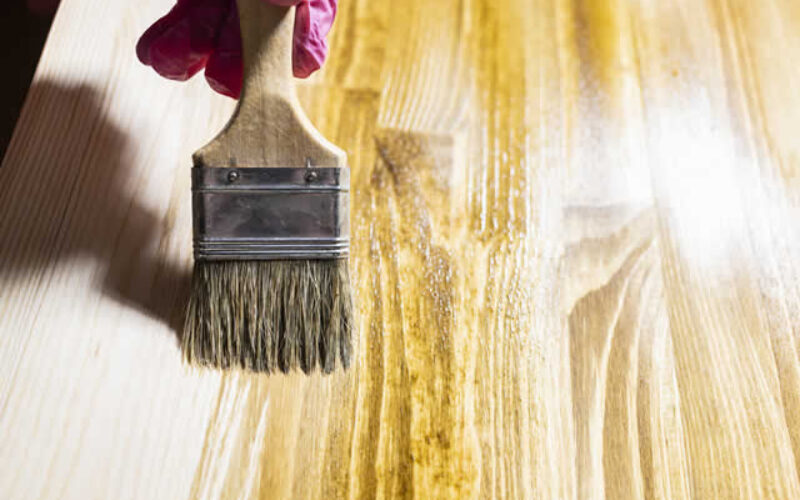
To maximize the appearance and longevity of your new finish, follow these steps: Thorough sanding to smooth out imperfections and open wood pores for better stain penetration. Apply stain in long, even strokes, following the grain, and work methodically.
Follow the manufacturer’s directions for setting and curing times, as rushing can mar the finish. Protect the stained surface with a compatible sealer or polyurethane topcoat for enhanced scratches, moisture, and sunlight resistance.
Maintenance and Durability
Regular upkeep is crucial for a long-lasting wood stain. Avoid harsh cleaners and clean surfaces gently. Annual inspections can detect fading or peeling issues before costly repairs. Reapplication intervals range from two to five years.
Careful selection and careful cleaning help stain surfaces retain their protective qualities. Expert log home staining services ensure consistent, flawless results for large or high-value projects.
other related analysis of interest: (new win)
What Is Eco-Living? Your Guide to Sustainable Daily Practices
Find Painting Services Painting Staining Texturing Wallcoverings top-rated, pre-screened local contractors FREE: download contractor selection enter zip code – powered by HomeAdvisor ™


Image credit: choose the right stain by envato.com
end of post … please share it!
| more photo remodeling |
Jump Over to Our Photo Analysis Center for Ideas on
"Renovating Home"
|__________________________________________________________|
home remodeling surprise
find out where it might go - new win


Helpful article? Leave us a quick comment below.
And please share this article within your social networks.