Running air conditioning systems around the clock becomes a necessity, but it doesn’t have to drain your wallet or compromise your comfort.
Smart homeowners are discovering that strategic energy-efficient home improvements can significantly reduce cooling costs while maintaining a pleasant indoor environment. These upgrades work hand-in-hand with your existing HVAC system, creating a more efficient and sustainable approach to summer comfort.
The key lies in understanding how heat enters and moves through your home, then implementing targeted solutions that address these thermal challenges.
From simple interior adjustments to strategic outdoor modifications, there are numerous ways to create a cooler living space without relying solely on energy-intensive air conditioning.
Indoor Home Improvements for Enhanced Cooling
Your home’s interior offers numerous opportunities for energy-efficient home improvements that can dramatically reduce heat buildup and improve air circulation. These modifications work together to create a more comfortable environment while supporting your cooling system’s efficiency.
-
Install Energy-Efficient Window Coverings
Windows are primary culprits for unwanted heat gain during summer months. The sun’s rays streaming through glass can raise indoor temperatures by several degrees, forcing your air conditioning to work overtime.
Cellular shades, also known as honeycomb shades, provide excellent insulation by trapping air in their unique pocket structure.
These window coverings can reduce heat gain by up to 40% on south-facing windows and 20% on east and west-facing windows. The multiple air chambers create a barrier that prevents heat transfer while still allowing natural light to filter through.
Blackout curtains offer another effective solution, particularly for bedrooms and media rooms. These heavy-duty window treatments block virtually all sunlight and heat, creating cooler zones within your home. Choose light-colored options to reflect heat rather than absorb it.
Window films present a less obvious but highly effective option. These thin, transparent sheets adhere directly to glass surfaces and can reject up to 79% of solar heat while maintaining visibility. Professional installation ensures optimal performance and longevity.
-
Upgrade to Energy-Efficient Appliances
Heat-generating appliances contribute significantly to your home’s internal temperature load. Older refrigerators, ovens, and water heaters emit considerable heat during operation, creating additional work for your cooling system.
Modern Energy Star-certified appliances produce substantially less waste heat while consuming less electricity. A new refrigerator can reduce heat output by 30-40% compared to models from the 1990s. Similarly, induction cooktops generate 50% less ambient heat than traditional electric ranges, keeping your kitchen noticeably cooler during meal preparation.
Consider upgrading your water heater to a tankless model or relocating it outside your conditioned living space. Traditional water heaters continuously emit heat, even when not actively heating water. This constant thermal output forces your air conditioning to compensate throughout the day.
Replace incandescent light bulbs with LED alternatives, which produce 75% less heat while using significantly less electricity. This simple swap reduces both your cooling load and energy consumption simultaneously.
-
Use Fans to Circulate Air
Strategic fan placement creates effective air circulation patterns that make your home feel cooler without lowering the thermostat. Moving air enhances evaporative cooling from your skin, allowing you to feel comfortable at higher temperatures.
Ceiling fans should rotate counterclockwise during summer months, pushing air downward to create a cooling breeze effect. This wind chill factor can make a room feel 4-6 degrees cooler, allowing you to raise your thermostat setting while maintaining comfort.
Whole-house fans installed in attic spaces draw hot air out of your living areas while pulling cooler outside air through windows during evening hours. These powerful systems can reduce indoor temperatures by 10-15 degrees when outdoor conditions are favorable.
Tower fans and oscillating fans provide targeted cooling in specific areas, allowing you to create comfortable zones without cooling your entire home. Position these fans to move air from cooler areas toward warmer zones, creating beneficial circulation patterns.


Outdoor Home Improvements for Natural Cooling
The exterior of your home plays a crucial role in thermal management. Strategic outdoor improvements can prevent heat from entering your home while creating naturally cooler microclimates around your property.
-
Plant Trees and Shrubs for Shade
Landscaping provides one of the most effective and environmentally friendly summer cooling tips available to homeowners. Strategically placed vegetation creates natural shade while contributing to overall property value and curb appeal.
Deciduous trees on the south and west sides of your home can reduce cooling costs by 15-35%. These trees provide dense shade during hot summer months, then shed their leaves in winter to allow beneficial solar heating. Oak, maple, and elm trees mature into excellent shade providers while requiring minimal maintenance once established.
Evergreen shrubs planted near windows and walls create year-round barriers against heat absorption. These plants also provide privacy and wind protection during other seasons. Consider native species that thrive in your climate without requiring excessive watering or maintenance.
Vine-covered trellises and arbors create vertical shade elements that protect walls and windows from direct sun exposure. Grape vines, clematis, and morning glories grow quickly and provide dense coverage during peak summer heat.
-
Install Awnings or Shade Sails
Architectural shade elements offer immediate heat protection while adding visual interest to your home’s exterior. These installations provide precise shade coverage exactly where you need it most.
Retractable awnings over windows and patios can reduce heat gain by up to 77% on south-facing windows and 65% on west-facing windows. Modern awnings feature weather-resistant fabrics and motorized operation for convenient seasonal adjustment.
Shade sails create contemporary shade solutions that can cover large areas with minimal structural requirements. These triangular or rectangular fabric panels stretch between mounting points to create dramatic overhead protection. They work particularly well over patios, play areas, and pool decks.
Pergolas with climbing plants combine structural shade with natural cooling. The wooden framework provides immediate partial shade while supporting vegetation that increases coverage over time. This hybrid approach offers both instant and long-term cooling benefits.
-
Use Light-Colored or Reflective Roofing Materials
Your roof absorbs tremendous amounts of solar energy throughout summer days. Dark-colored roofing materials can reach temperatures exceeding 150°F, creating significant heat transfer into your home’s interior.
Cool roofing materials reflect solar radiation rather than absorbing it, maintaining lower surface temperatures even during peak sun exposure. Light-colored asphalt shingles, metal roofing, and specially formulated reflective coatings can reduce roof temperatures by 50-60°F compared to traditional dark materials.
White or light-colored roof coatings applied to existing roofing can provide immediate cooling benefits at a fraction of full replacement costs. These specialized coatings reflect up to 85% of solar radiation while protecting your existing roof surface from UV damage.
Consider the long-term benefits when planning roof replacement projects. Cool roofing materials may cost more initially but provide ongoing energy savings and extended roof life through reduced thermal stress.

4 Tips for Improving Your Home’s Energy Efficiency
With fall officially here and the cooler months on the horizon, now is a great time to assess your home’s energy usage. This is important to do so you can make any necessary home improvements that will not only make your residence more efficient, but save you money as well.
Additional Tips and Considerations
Beyond major improvements, several smaller modifications can contribute significantly to your overall cooling efficiency. These details often provide the finishing touches that maximize your investment in larger improvements.
-
Seal Air Leaks Around Windows and Doors
Air leaks allow hot outdoor air to infiltrate your cooled interior spaces while allowing conditioned air to escape. These gaps force your cooling system to work continuously to maintain comfortable temperatures.
Weatherstripping around doors and windows provides an immediate solution for visible gaps. Choose appropriate materials based on gap size and location exposure. Foam strips work well for consistent gaps, while V-strip weatherstripping accommodates varying clearances.
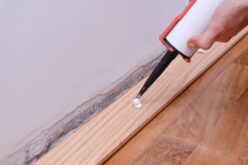
Caulking fills smaller gaps and cracks around window frames, door frames, and exterior penetrations. Use paintable acrylic caulk for interior applications and silicone-based products for exterior sealing. Pay special attention to areas where different building materials meet.
Door sweeps and threshold seals address the often-overlooked gap beneath exterior doors. These simple installations can eliminate significant air exchange while reducing dust and pest infiltration.
-
Add Insulation to Attics and Walls
Proper insulation creates thermal barriers that slow heat transfer between your home’s interior and exterior. Inadequate insulation allows summer heat to penetrate your living spaces while making your cooling system work harder to maintain comfort.
Attic insulation provides the greatest return on investment for most homes. Heat rises naturally, making your attic the primary battleground against summer heat gain. Adding insulation to achieve R-38 to R-60 values significantly reduces cooling loads while providing winter heating benefits.
Wall insulation improvements can be more challenging in existing homes but offer substantial benefits. Blown-in insulation can be added to wall cavities through small holes that are easily patched and painted afterward.
Basement and crawl space insulation prevents ground moisture and temperature from affecting your home’s thermal performance. These often-overlooked areas can significantly impact overall energy efficiency.
-
Smart Thermostat for Better Energy Efficiency
Programmable and smart thermostats optimize your cooling system’s operation by adjusting temperatures based on occupancy patterns and preferences. These devices can reduce energy costs by 10-15% through intelligent scheduling and remote monitoring capabilities.
Smart thermostats learn your family’s routine and automatically adjust temperatures when you’re away from home. Many models can be controlled remotely through smartphone apps, allowing you to optimize cooling before returning home without wasting energy on empty spaces.
Zoned cooling systems paired with smart controls allow you to cool only occupied areas of your home. This targeted approach can provide substantial energy savings in larger homes where family activities concentrate in specific areas during different times of day.
Regular maintenance scheduling features help ensure your cooling system operates at peak efficiency throughout the summer months. Clean filters and well-maintained equipment consume less energy while providing better comfort.

Download this PDF file for a concise summary of all you need to know about …?

… home decorating elements and what to use for wall, floor, ceiling, table and more!

Transform Your Home Into a Cool, Efficient Haven
These energy-efficient home improvements work together to create a comprehensive approach to summer comfort that reduces energy costs while enhancing your living environment. Start with simple, cost-effective measures like window coverings and fans, then gradually implement larger improvements as budget and timing allow.
The most successful cooling strategies combine multiple approaches rather than relying on any single solution. Indoor improvements create immediate comfort while outdoor modifications provide long-term benefits that increase over time.
Remember that every home is unique, and the most effective combination of improvements depends on your specific climate, home design, and family lifestyle. Consider consulting with energy efficiency professionals to identify the most impactful upgrades for your situation.
Your investment in these improvements pays dividends through reduced energy bills, increased home value, and enhanced comfort for years to come. Start planning your summer cooling strategy now to enjoy a more comfortable and affordable cooling season ahead.
other related analysis of interest: (new win)
A Homeowner’s Guide to Installing a Solar Energy System
How to Use a Remodel to Make Your Home More Energy Efficient
| Improvement Category | Solution | Energy Savings | Implementation Cost | Timeframe |
|---|---|---|---|---|
| Window Treatments | Cellular Shades | 20-40% heat reduction | Low to Medium | Immediate |
| Window Treatments | Window Films | Up to 79% solar heat rejection | Low | Immediate |
| Appliances | Energy Star Upgrades | 30-40% less heat output | High | Immediate |
| Air Circulation | Ceiling Fans | 4-6°F perceived cooling | Low to Medium | Immediate |
| Landscaping | Shade Trees | 15-35% cooling cost reduction | Medium | Long-term |
| Exterior Shade | Awnings | 65-77% heat gain reduction | Medium | Immediate |
| Roofing | Cool Roof Materials | 50-60°F surface temperature reduction | High | Long-term |
| Air Sealing | Weatherstripping/Caulking | 10-20% energy savings | Low | Immediate |
| Insulation | Attic Insulation | 15-25% cooling cost reduction | Medium | Immediate |
| HVAC Controls | Smart Thermostat | 10-15% energy savings | Low to Medium | Immediate |
Find Energy Efficient Services Insulation Windows-Insulation Ducts & Vents Thermostats Solar Installation Skylights Home Automation Generators Home Automation Electrial Wiring Networks/Phone Computers/ Media Home Security Alarms top-rated, pre-screened local contractors FREE: download contractor selection enter zip code – powered by HomeAdvisor ™


Image credit: energy-efficient home improvement for summer by envato.com
end of post … please share it!
| more photo remodeling |
Jump Over to Our Photo Analysis Center for Ideas on
"Renovating Home"
|__________________________________________________________|
home remodeling surprise
find out where it might go - new win


Helpful article? Leave us a quick comment below.
And please share this article within your social networks.