This article explores why transparency is so essential, what homeowners gain when they participate, and offers practical guidance for all parties aiming to make the inspection process open and collaborative.
Homeowners today want to stay informed about the condition of their property. For some, this comes from years of hearing about issues found post-sale or after critical deadlines, while others simply want to protect what is likely their largest investment.
This appetite for knowledge has sparked a shift toward a more user-centric, accountable approach to home inspections. We will examine what drives the demand for open communication, detail the tangible benefits of being involved during inspections, tackle industry concerns, and outline proven strategies for creating a more transparent experience.
The Growing Demand for Transparency
Transparency in home inspections is now a top priority for homeowners, often sparked by negative past experiences or word-of-mouth accounts of miscommunication. Many buyers and sellers report feeling sidelined during the inspection process, which can foster suspicion or regret about the transaction.

One of the main reasons for this concern is the need for trust. When clients cannot witness or ask questions during an inspection, they may interpret this lack of access as a sign that information is being deliberately withheld or downplayed. The American Society of Home Inspectors (ASHI) emphasizes the ethical obligation inspectors have to maintain clear communication and full disclosure of their findings.
Furthermore, exclusion can lead to misunderstandings. For example, a National Association of Realtors (NAR) survey illustrated that miscommunication about “major” and “minor” property issues frequently led homeowners to defer repairs, thinking some findings were less urgent than they actually were. Cases like these show that when transparency is absent, confusion and dissatisfaction follow.
Negative outcomes aren’t limited to minor frustrations. When transparency is lacking, homeowners may unknowingly waive crucial inspection details, leading to greater financial or safety risks. These issues could have been avoided through better communication and involvement from the start.

Benefits of Homeowner Involvement in Inspections
Allowing and encouraging homeowner involvement in inspections transforms the experience into one of mutual respect and learning. Homeowners who join the inspection process gain firsthand insight into the property’s current state, understand the severity and potential impact of findings, and have opportunities to raise questions in real time.
When direct communication takes place between inspectors and clients, misunderstandings diminish. Homeowners can ask for clarification on the significance of specific findings or how they might address minor maintenance points before they spiral into larger repairs.
This interaction also empowers homeowners to make better decisions about which recommendations need prompt attention, which can be scheduled for later, and how repairs might affect property value.
Ultimately, direct involvement creates a more collaborative experience. Both parties come away more satisfied, with homeowners feeling respected and inspectors seeing greater compliance with their recommendations. According to a recent ASHI survey, homeowners who attended their inspections reported 40% fewer post-inspection disputes and demonstrated greater follow-through on repairs than those who did not.
Addressing Concerns and Challenges
Although homeowner involvement boosts satisfaction and understanding, some inspectors express concerns about disruptions, misunderstandings, or the risk of liability during inspections. Inspectors worry that curious homeowners may inadvertently interfere with their work, misspeak about property conditions, or misunderstand explanations, leading to confusion rather than clarity.
To address these challenges, clear ground rules are essential. Inspectors can begin each session by outlining permissible areas, safety protocols, and the format for asking questions. This structure keeps the inspection efficient and minimizes the risk of accidents or other issues.
Legal and ethical considerations also come into play. Many states outline best practices for inspection communication, setting boundaries for both parties to ensure a safe, respectful, and informative session. The International Association of Certified Home Inspectors (InterNACHI) recommends full transparency while adhering to state-specific standards of practice and ethics, with a focus on documentation and open dialogue.
For homeowners, the key is to engage in the process without causing disruptions. Asking informed, respectful questions and following the inspector’s lead ensures the process remains both effective and collaborative.
Best Practices for Transparent Inspections
Creating a transparent inspection process requires intentional strategies from both inspectors and homeowners. Inspectors should provide a clear agenda, explain the scope of their evaluation, and make sure reports are written in accessible language. During the inspection, using tools like digital photography and walk-throughs can help visually bridge any knowledge gaps, turning abstract findings into concrete learning.
Homeowners, on the other hand, benefit from preparing questions ahead of time. Arriving on time, listening attentively, and requesting clarification when needed all contribute to an efficient and fruitful inspection. After the session, following up with a written list of priorities ensures nothing is forgotten and that all parties are aligned.
Technology also plays a pivotal role in promoting home inspection transparency and communication. Cloud-based reporting allows homeowners to review findings at their own pace and revisit explanations. Live video walk-throughs and messaging apps enable those who cannot be physically present to participate virtually, making open communication easier regardless of location.
By leveraging these tools and adhering to best practices for open dialogue, contractors and inspectors can raise the standard for homeowner involvement. This fosters greater satisfaction and sets the stage for better long-term outcomes.
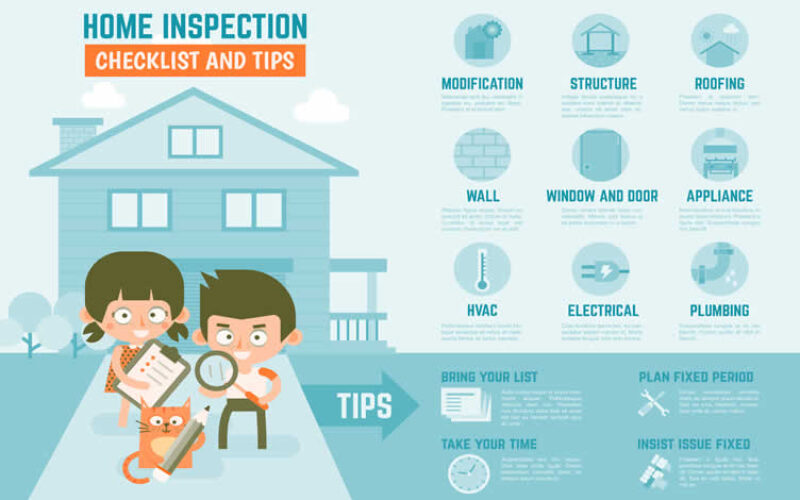
Ensuring Excellence: The Ultimate Guide to Home Remodeling Inspections
Before you put the final touches on your home remodeling or improvement project, it’s crucial to consider the necessity of a comprehensive home inspection. This vital step ensures that all renovations have been completed to the highest standards, adhering to local building codes and safety regulations.
Reinventing the Home Inspection Experience
Transparency and homeowner involvement are not just buzzwords; they reflect a growing movement toward accountability, shared responsibility, and trust within the home inspection industry. By opening up the process, inspectors foster trust, and homeowners make more informed decisions, protecting their investment and ensuring the safety and longevity of their property.
Looking ahead, as technology continues to shape the real estate space, the expectation for transparency and clear communication will only intensify. Home inspectors and contractors who prioritize homeowner involvement can distinguish themselves as leaders in service, ethics, and professionalism.
Taking steps to bridge the communication gap today is an investment in client relationships and industry reputation tomorrow.
| Section | Key Insights |
|---|---|
| Demand for Transparency | Exclusion lowers trust, leads to confusion, and can cause costly errors. Homeowners increasingly expect involvement. |
| Benefits of Homeowner Participation | Direct involvement builds trust, improves understanding, and reduces disputes. |
| Addressing Challenges | Clear ground rules, adherence to ethical/legal standards, and mutual respect are essential for successful sessions. |
| Best Practices | Structured sessions, technology integration, and open communication raise the standard of transparency. |
| Industry Outlook | Expect transparency and involvement to become standard as technology and client expectations evolve. |
other related analysis of interest: (new win)
Illuminate Your Space with Floor Lamps: Types, Styles, and Tips
Find Home Inspection Services Home Inspection Inspection – Roof Inspection – Water Permit Services top-rated, pre-screened local contractors FREE: download contractor selection enter zip code – powered by HomeAdvisor ™


Image credit: home inspection transparency by envato.com
end of post … please share it!
|__________________________________________________________|
home remodeling surprise
find out where it might go - new win


Helpful article? Leave us a quick comment below.
And please share this article within your social networks.