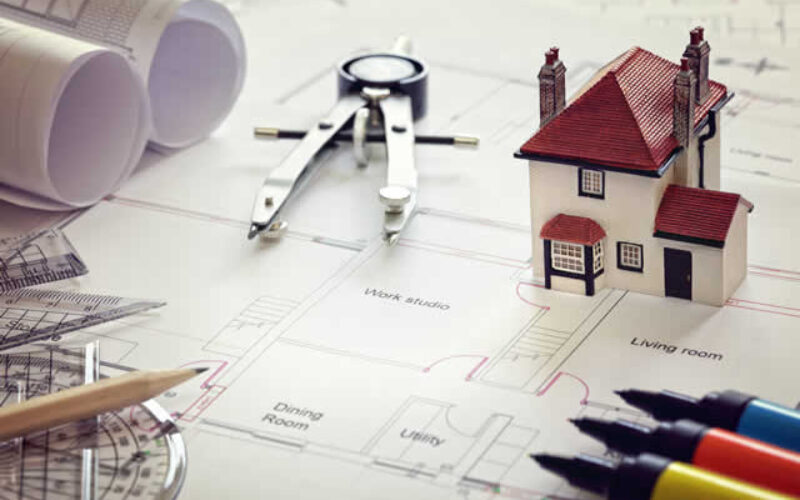
Taking on such a project requires careful planning, a clear budget, and an understanding of the necessary permits and materials involved. Whether it’s assessing the property’s condition or selecting the right flooring and insulation, each step plays a crucial role in the success of your renovation journey.
This blog post covers essential considerations to keep in mind, helping you navigate the process with confidence and ease.
- post content
- Assessing the Property’s Condition
- Budgeting for Renovations
- Gaining Necessary Permits and Approvals
- Understanding Flooring Installation
- Selecting the Right Insulation
- Knowledge of Wall frame Installation and Finishing
- side idea:The Need of Building Permits and Codes
- view key:collective notes
Assessing the Property’s Condition
Before diving into the project home endeavor, it’s crucial to thoroughly assess the property’s condition. This involves understanding the extent of repairs and renovations needed to make the house livable and appealing.
Key areas to check include the foundation, roofing, plumbing, electrical systems, and overall structural integrity. Knowing the property’s condition will help you estimate the time, effort, and money required for the project.
Additionally, obtaining a comprehensive inspection report from a licensed professional can provide valuable insights and prevent unforeseen issues later on.

Budgeting for Renovations
Creating a detailed budget is essential when planning renovations for a project home. It’s important to account for all expenses, including materials, labor, permits, and any unexpected costs that may arise.
Keeping a contingency fund is wise, as renovations often encounter surprises that can inflate the original budget.
Make sure to prioritize renovations based on necessity and impact, focusing on critical repairs first. Staying within the financial plan ensures the project remains feasible and prevents financial strain.

Gaining Necessary Permits and Approvals
Navigating the legal aspects of home renovations requires obtaining necessary permits and approvals from local authorities. Permits ensure that renovations comply with local building codes and regulations, guaranteeing safety and quality standards are met.
Failing to secure the correct permits can result in fines, project delays, or even legal action. It’s advisable to research the specific permits required for different types of renovations, such as electrical work or structural changes.
Working with a professional who understands local regulations can simplify this process and ensure compliance.
Understanding Flooring Installation
A little down the line, but still a major aspect of renovating a project home is flooring installation. The choice of flooring materials can significantly affect the home’s aesthetic, durability, and maintenance requirements.
Different types of flooring, such as hardwood, tile, carpet, or laminate, each have their unique advantages and constraints. It’s essential to consider factors like the room’s function, foot traffic, and personal preferences when selecting flooring.
Moreover, proper installation is critical for ensuring longevity and performance, which might require professional expertise, like that from Greenmount Timber & Building Supplies. Overall, installing new flooring depends on both the material you’ve chosen and your comfort and experience in installation.
Selecting the Right Insulation
Another major aspect of project home renovation is insulation. Proper insulation is vital for maintaining energy efficiency and comfort in any home. Different types of insulation, such as fiberglass, foam, or cellulose, offer varying benefits and costs.
When selecting insulation, consider factors like the climate, the specific areas of the home needing insulation, and your budget. Properly installed insulation reduces energy bills by keeping the home warmer in winter and cooler in summer.
Additionally, good insulation contributes to soundproofing, enhancing the overall living environment.
Knowledge of Wall frame Installation and Finishing
Installing and finishing walls is another critical component of renovating a project home. Wall frames provide the essential support structure for walls, ensuring the building’s stability.
Frames themselves can get pretty complicated, so it’s advisable to enlist the help of professionals, like those at Prefab Technology Pty Ltd, to build the frames for you to install. Once the frames are installed, finishing techniques such as drywall application, sanding, and painting complete the look.
Proper wall installation contributes to the home’s structural integrity and insulation properties, while the finish determines the overall look and feel. It’s also important to be familiar with issues that can arise, like moisture damage or uneven surfaces, and how these can impact the renovation process.
Ensuring walls are correctly installed and finished not only enhances the home’s appearance but also its value and functionality.

Renovating a project home can be both a challenging and rewarding journey. By thoroughly assessing the property’s condition, creating a detailed budget, obtaining necessary permits, and selecting the right materials for flooring and insulation, you can turn a fixer-upper into your dream home.
Remember, seeking professional expertise when needed can save time and prevent potential pitfalls. With careful planning and execution, your project home can become a beautiful, comfortable haven that reflects your personal style and meets your family’s needs.
Find Handyman Services (opens new win) Handyman Carpentry Electrical Plumbing top-rated, pre-screened local contractors FREE: download contractor selection enter zip code – powered by HomeAdvisor ™


Image credit: by envato.com
end of post … please share it!
|__________________________________________________________|
home remodeling surprise
find out where it might go - new win


Helpful article? Leave us a quick comment below.
And please share this article within your social networks.