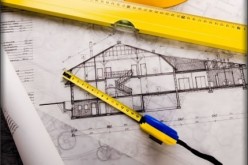
However, used homes offer affordability but frequently need renovations and upgrades. From outdated kitchens and bathrooms to insufficient living space, most resale homes require some improvement.
Read on to find out some of the things you can renovate to improve the looks of your purchased house and enjoy the perks of a new house in an old one.
- post content
- Inspecting the Roof
- Upgrading the HVAC System
- Replacing Windows and Doors
- Updating Electrical and Plumbing Systems
- renovating the Kitchen and Bathrooms
- Refinishing or Replacing Flooring
- Painting and Decorative Upgrades
- Adding Living Space
- conclusion
- side idea:Planning a Kitchen Remodel
- view key:collective notes
Inspecting the Roof
When purchasing a resale home, the priority should be evaluating the roof’s condition. As the most important structural element protecting the house, an aging or damaged roof can lead to rapid deterioration and expensive repairs down the road.
Be sure to check the roof’s age. Asphalt shingles last around 15-20 years. Older roofs likely need replacement. Look for missing or cracked shingles, curling edges, and exposed nail heads indicating issues. Seek out water stains on ceilings and around vents that signal leaks. Qualified roofers will objectively assess the remaining life and repairs needed.

Addressing problems early allows buyers to budget for roof replacement rather than face an emergency later. If you live in Texas, for example, make sure to consult reputable contractors for roofing in Round Rock, TX to determine the scope of work and costs.
Upgrading the HVAC System
Along with the roof, inspecting the heating, ventilation, and air conditioning (HVAC) system should be a top priority. Outdated or insufficient systems can lead to expensive utility bills, uncomfortable hot and cold spots, and sudden breakdowns.
When evaluating the HVAC system, consider the age of the unit – HVAC systems typically last 10-15 years before needing replacement. New systems offer much higher efficiencies, saving energy costs.
Old units often require frequent repairs and parts replacements. Identify any spots that are drafty, insufficiently heated, or cooled. Upgrading to a properly sized, energy-efficient HVAC system ensures comfort and lower utility costs—factor in costs for any needed ductwork improvements.
Replacing Windows and Doors
Old, drafty windows and doors are another trouble spot in resale homes. Energy loss through aging windows and doors drives up heating and cooling bills. Poorly sealed doors and windows also invite dust and pests into the home.
When assessing windows and doors, look for drafts. Use your hand or a candle to check for noticeable air leaks around frames. Check out the material condition as well. Wood frames can warp or crack over time. Check for decay.
You may want to update window and door styles to match your home décor. Replacing deficient doors and windows with new energy-efficient models improves comfort and reduces heating/cooling costs.

Updating Electrical and Plumbing Systems
While hidden behind walls, outdated electrical and plumbing systems can pose safety and functionality problems. Improperly grounded wires without GFCI outlets and insufficient amperage for large appliances can be hazards.
Old lead pipes should be replaced. Ensure supply lines are properly sized. Slow or clogged drains may require drain replacements or sewer line cleanout.
Upgrade old electrical switches, outlets, and lighting fixtures as desired. Inspect the water heater’s age and consider installing a tankless model. Though not exciting upgrades, modernizing electrical and plumbing improves safety and functionality.
Renovating the Kitchen and Bathrooms
Kitchen and bathroom renovations are common resale home projects. These busy spaces tend to show the most age. Appliances, fixtures, cabinets, and flooring may need attention.
When planning kitchen and bath overhauls, think about appliance upgrades. Check appliance ages and replace any that are outdated. Chipped sinks and outdated, water-wasting faucets should go.
Refinish or reface old cabinets for a budget option. Granite, quartz, and solid surface tops elevate the look. Replace worn vinyl, linoleum, and carpeting.
Choose paint, tile, hardware, and accents to match your taste. Remodeling kitchens and bathrooms boost a home’s function, look, and value.
To ensure a successful renovation, consider hiring a professional residential remodel contractor who can guide you through the process and help you achieve your desired outcome.

Before you start any kitchen remodeling project, run some financial numbers to determine whether your kitchen renovation is a smart investment.
The numbers include the estimated costs, home value assessment, financing costs, and other related calculations.
Review these cost-related issues to kitchen remodeling vs. buying a new home.
links to internal page (opens new win)
| analyze the numbers | |
| estimate the cost of your project | |
| start assembling a budget | |
| get your home value |
The 2nd step for planning a new year kitchen renovation is deciding what you would like to do.
Will it be a –
- redesigning the kitchen,
- replacing the kitchen cabinets/counter,
- putting in an island,
- replacing your sink and faucet,
- buying new appliances,
- re-decorating,
- or something else by referencing this extensive kitchen remodeling guide.
You can find other kitchen &dining ideas by referencing our kitchen analysis and topic directories (opens new win)
| view kitchen "ideas" directory | |
| view latest "topics" for kitchen dining | |
Step 3 is sketching your ideas on paper (or digitally) and developing the kitchen spec plan.
The spec plan determines what type of kitchen materials and design considerations that will be needed. It will also contain the product specifications for each kitchen remodeling element.
You will use the spec plan and architectural design to bid the project out to a contractor.
links to internal page (opens new win)
| developing the spec plan | |
| sketch remodeling plan | |
| design considerations |
Step 4 is finding and negotiating the contract with a kitchen remodeling contractor.
Give your remodeling ideas and specs to a contractor for review and bid analysis. Use the local network (aligned with HomeAdvisor) to find the right contractor for your project.
Review guides for contractor selection and negotiation.
links to internal page (opens new win)
| search kitchen contractors | |
| selecting your contractor checklist |
| contractor negotiations | |
| contractor evaluation form |
Step 5 is arranging financing once you selected the contractor and finalized the contract for your project.
Using the equity value in your home is one of the best financing option for kitchen renovation. Start with a home equity line of credit or use the bank equity program.
Other options may include cash-out refinancing, personal savings, and/or financing from home improvement contractors.
links to internal page (opens new win)
| financing options | |
| getting qualified for financing | |
| negotiate rates |
Step 6 is where the project begins.
It starts with setting up the work area, removing everything that needs to be replaced, installing plumbing and electrical if needed, putting in the final touches, etc.
It also means working with the contractor, managing the project, and getting the remodeling project inspected before releasing any funds.
links to internal page (opens new win)
| working with the contractor | |
| managing remodeling project |
| about a home project inspections | |
| find home inspector |
Refinishing or Replacing Flooring
Flooring has taken a beating over the years from constant foot traffic, pet accidents, and more. Plan to refresh tired flooring in old homes. Assess flooring for loose or buckling boards – This signals structural problems underneath.
Refinishing may not fix floors that are too far gone. Shag carpet and vinyl may not suit your lifestyle or design taste. Some stains can reappear even after refinishing.
Hardwood floors are the easiest to refresh via refinishing. Carpeting usually needs replacement. Evaluate the condition and budget when deciding whether to refinish or replace the flooring.
Painting and Decorative Upgrades
A fresh coat of paint works wonders for updating a home’s look and masking flaws. Beyond painting, consider hardware updates. Replace outdated doorknobs, hinges, switches, and fixtures.
New light fixtures modernize rooms and add great style. Add tile backsplashes behind kitchen and bathroom countertops. Install ceiling fans in bedrooms and other rooms for comfort and style.
Hang attractive curtains or blinds to elevate the room’s look. Simple cosmetic updates like painting and accent lighting make rooms feel fresh and move-in-ready.

Adding Living Space
Expanding the home’s square footage may be for buyers to need more room. Convert the attic, garage, or basement into finished living spaces. Construct a second-story addition for more bedrooms and bathrooms. Bump out exterior walls or remove dividing walls to expand rooms. Construct an attached deck, patio, or screened porch.
When adding space, be sure to work with architects – They will ensure structural integrity and handle permits. Additions require permits and inspections. Understand zoning rules.
The new space needs appropriate wiring and possibly new HVAC zones. While costly, added living areas can significantly increase home functionality and
other related articles of interest:
Transforming Your Home Into A Funhouse
Unveiling the Hidden Secrets: Facts About Mold Lurking in Your Home
Conclusion
Buying a used home holds many benefits but requires homeowners to anticipate renovations. Properly assessing the condition of critical systems like the roof and HVAC ensures critical repairs are addressed early on. Meanwhile, updating outdated kitchens, bathrooms, flooring, and other elements allows buyers to put their stamp on the home.
By budgeting appropriately for renovations and working with reputable local contractors, homeowners can transform an older home into a comfortable, stylish retreat. With the tips in this article, buyers can renovate resale homes strategically and cost-effectively.
Find Home Remodeling Services Additions Major Remodels Minor Remodels Disability Needs Plumbing Drain Clearing Appliances Electrical top-rated, pre-screened local contractors FREE: download contractor selection enter zip code – powered by HomeAdvisor ™


Image credit: renovations to plan for when buying a used home by envato.com
end of post … please share it!
|__________________________________________________________|
home remodeling surprise
find out where it might go - new win


Helpful article? Leave us a quick comment below.
And please share this article within your social networks.