


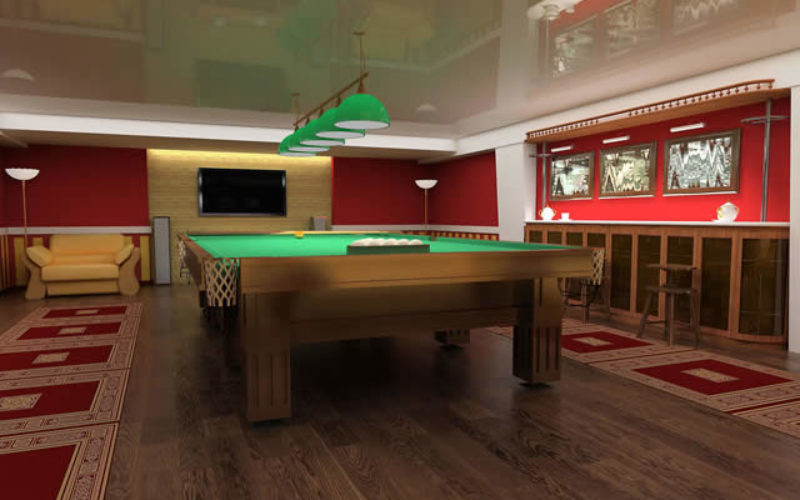
And it is ideal as a living space being near the kitchen and other living rooms. A converted cellar works well as a playroom, a home office or a utility room as well. But how do you convert it from something a little damp and unpleasant into a livable space?
Conversion basics

With houses that date from Victorian or Edwardian times, basements can be tricky because they were never created with the idea of being livable space – in some cases, they were the place that coal was stored! This can mean they don’t run under the entire house and need a bit of work to make them useful.
But if you already have a basement, then you have a great head start on the project. You may be able to do additional excavation to make the basement a full house-sized area.
There may be some extra footings, structural work and additional waterproofing to do if you do decide to extend it. So bear in mind that working with what you already have may be the easier option.
Considerations – space and access
When you start to seriously consider converting a cellar or basement, there are a couple of main considerations that you want to have in mind. The first is the floorspace – how much will you have and what can you use it for? If there is a big space, do you want to divide it into smaller rooms? How high is the ceiling? The access to the room is another consideration both for people and for light – are there any ways to add windows to let light in?
The three biggest problems with converting basements are low ceilings, a lack of natural light and damp problems. But all three of these can have solutions when you work with the right experts.
Planning regulations
Planning permission is often not needed if you just plan to make light internal changes such as adding basement waterproofing without making external changes, underpinning or excavations. But even so, you should talk to the local planning department first just to make sure. You can obtain something called a ‘certificate of lawfulness’ from them that confirms you are allowed to do what you plan.

Even if no planning permission is needed, building regulations will always apply. These look at areas such as ventilation, damp proofing, electrics and means of escape in an emergency. You may need a surveyor if the basement conversion specialist doesn’t offer this service, but many do.
If you have walls adjoining neighboring properties, the Party Wall Act may come into the equation. Your neighbors can’t stop you making lawful changes to the property, but they can have a say on how and when the work is done. It is also worth arranging a Schedule of Condition – this records the condition of the neighboring property in case there are later claims that your work caused damage.
Waterproofing the basement

The very best option for waterproofing a basement is called cavity drainage membrane (CDM) and lines the walls along with a pump system being installed. This sends moisture down the membrane and into drainage channels before being pumped outside.
Another option is a barrier system that holds back water ingress. A special coating called a tanking system is added to the bare walls and floor to stop water leaking through then plaster is added on top.
Designing the layout
External light wells are one way to let natural light into the basement. These are usually topped by a grille or walk-on glazing with an opaque coating. A sunken courtyard at the back of the property with steps into the basement from the garden is another great option. You will lose garden and space around the house to create these, but it can be worth it to get natural light into the basement.
Another option is to have a roof window above the staircase leading down to the basement. A glass-based staircase will help let this light in and is great for contemporary designs. The aim is to create a transition from one floor to another as well so the design of it can be key.

Where you place what in the room is often dictated by those natural light sources. Areas such as bathrooms, storage spots and utility facilities are placed in the darker end of the room while the most commonly used areas such as sofas or desks are located in the lightest areas.
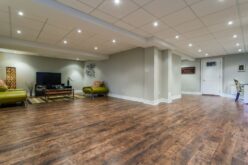
Open plan rooms are ideal for basements, but you don’t have to go for this approach if you have a bigger space. You can use internal glazed doors or fold back partitions to create divisions to use when needed.
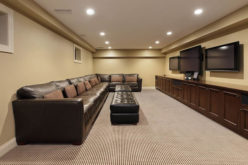
Finally, decorate with lots of light colors as this will help bounce that natural light around the room. The main exception is if the room is a media room like a home cinema or computer game room – then darker colors and thick carpets help to add to the feel of the space.
other valuable tips:
How to Turn an Unfinished Basement into a Valuable Addition to Your Home
Perfect extra space
With the right work and preparation, a basement or cellar can be the perfect extra space your home needs. By ensuring it is damp proofed, you will avoid the classic problems of a basement and create and useful, livable space for any purpose.
Image Credit: 123rf.com
end of post … please share it!
| google+ |
DIRECTORY: about bank equity program (financing home improvement)
No products found.
|__________________________________________________________|
home remodeling surprise
find out where it might go - new win


Helpful article? Leave us a quick comment below.
And please share this article within your social networks.





FREE: home improvement guide