


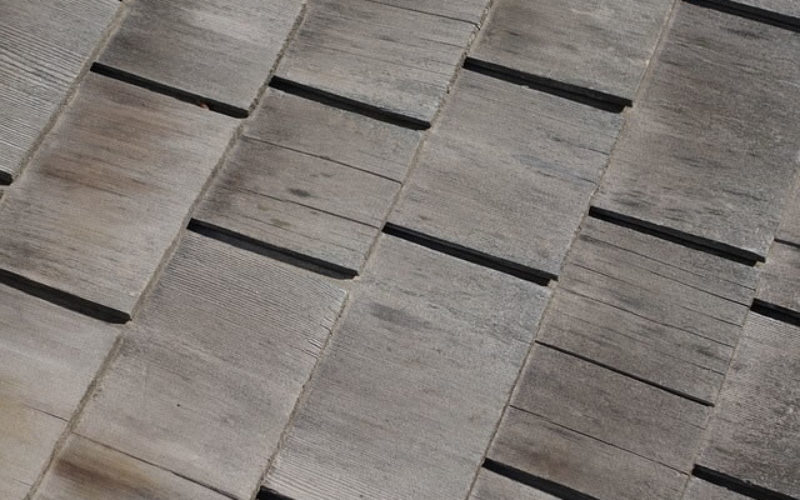
Whether it’s because the roof experienced major damage or because it has simply hit the end of its lifespan; the wear and tear it has experienced means that it needs to be replaced. Unfortunately, roof replacement can be quite expensive.

However, there are actually two options if you have to replace your roof, one of which can be a bit more affordable. These options are a roof tear off and a roof overlay. The following are the differences between the two.
What is a Roof Tear Off?
A roof tear off involves the removal of your existing shingles. Once the shingles have been replaced, the roof deck will be inspected. Depending on its condition, it may need to be replaced as well.
However, in some cases, the deck may still be in good shape, which means only the existing shingles need to be removed and replaced. By replacing your roof via a roof tear off, it will last longer than a roof overlay.
Because the roof will last longer if you decide to do a roof tear off and because the materials will be of higher quality (which means that you’re less likely going to have to pay for roof repair work in the near future), choosing a roof tear off is probably going to add value to your home. That can be very beneficial if you’re thinking about selling our property in the next few years.
The only major drawback of a roof tear off is that it involves much more work than a roof overlay and requires the use of new materials, which means that the project is going to cost a lot more and is going to take more time to complete.
What is a Roof Overlay?
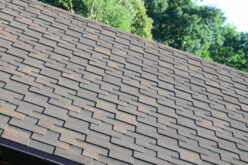
The way a roof overlay works is simple — new shingles are added to your roof without removing the existing shingles. Simply adding a new layer of shingles will reduce the amount of labor that’s required since the existing shingles don’t have to be removed. Because the process will take less time and effort, it’s a much more affordable option. However, this is only a good idea if there’s nothing wrong with the underlayment.
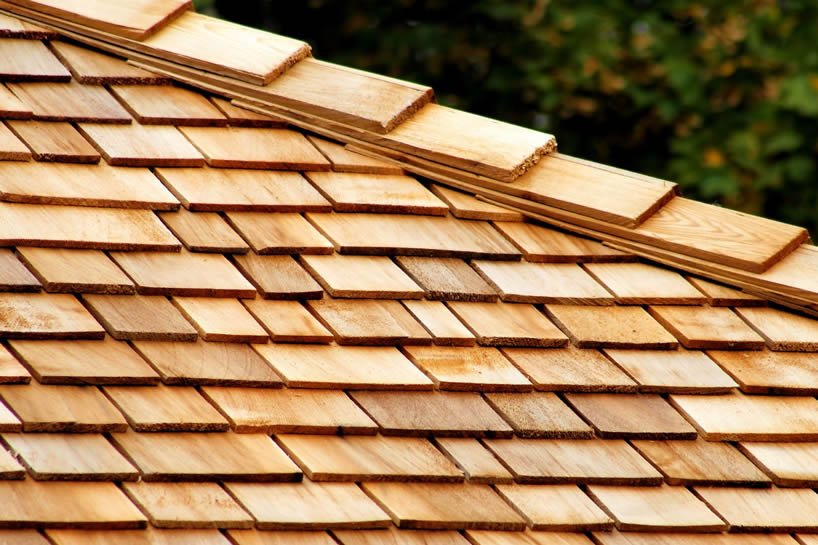
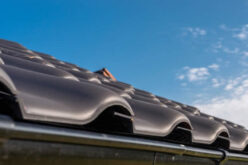
Viewing roof and gutters: (view gallery)
view photo topic – copyright image by 123rf.com
While a roof overlay may seem attractive due to the cheaper price, there are some drawbacks to consider. Roof overlays are temporary fixes since the existing roof below the new layer of shingles will still need to be replaced once it reaches the end of its lifespan.
If you have an older roof, this could be within a matter of years. The added layer of shingles will also cause more heat to be trapped within the roof, which means that the new shingles won’t last as long as they normally would.
| Find Roofing Services | |||
 |
Roofing | |
Gutter Systems |
|
Chimney | |
Pest Control |
| top-rated, pre-screened local contractors | |||
 |
FREE: download contractor selection | ||
| enter zip code – powered by HomeAdvisor ™ | |||
Other potential issues could be the fact that simply adding a new layer of shingles on top of your existing roof will add weight, which adds strain to your roof. Your roof deck may not have the structural integrity to be able to withstand this weight.
The added layer also makes it more difficult to inspect the condition of the underlying roof and to identify leaks, making regular maintenance more challenging.
Image Credit: Pixabay
nice post? … share it!
| google+ |
GUIDE: about bank equity program (becoming a bank)
No products found.
|__________________________________________________________|
home remodeling surprise
find out where it might go - new win


Helpful article? Leave us a quick comment below.
And please share this article within your social networks.






FREE: home improvement guide