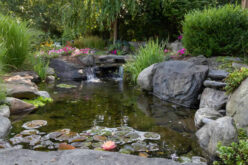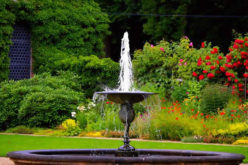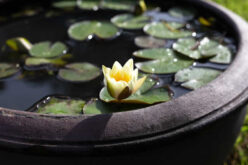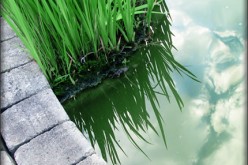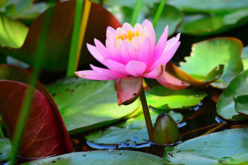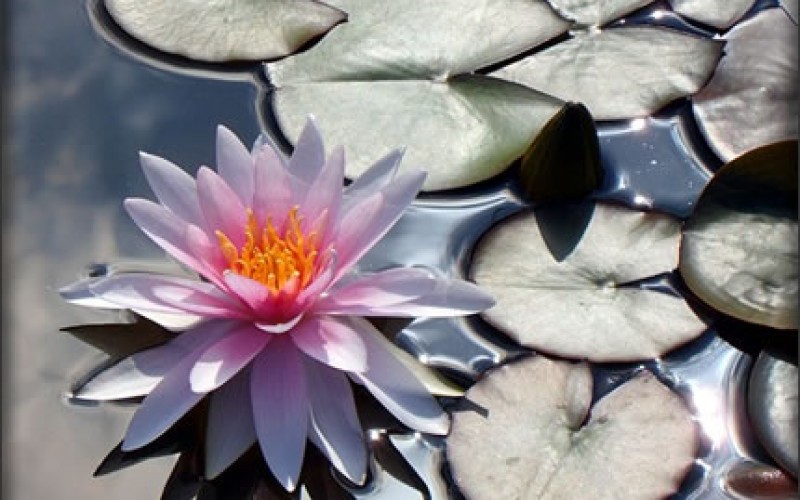
For example, ponds and other water features like fountains can look beautiful, and many people love the relaxing sound of flowing or trickling water in their yards. While these and other types of water features may enhance the space in a number of ways, they can also use a considerable amount of water. If you are wondering what steps you can take to save water while still enjoying the benefits of water features in your landscaping, consider these points.
The Right Pond Pumps
One important step that you can take to regulate water usage in your landscaping features involves installing the right pumps in your features. For example, if you have a pond, you likely have a pump that circulates the water to keep it from becoming stagnant. Pond pumps help create a healthy environment for fish and plant life. You may also have a pump for a waterfall feature or another type of water feature. Pumps ultimately are necessary for many water features, but they can also be used to control water usage. The flow rate for these features can affect water usage as well as evaporation rate in the water feature. Selecting a pump with a lower flow rate may help you to reduce water consumption so that you save money over time.
Displace the Water
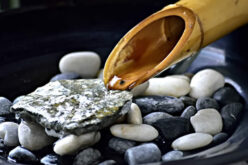
Another step that you can take is to displace the water in your features. Many features require you to regularly refill them with fresh water due to evaporation or other types of water loss. When you displace the water, the amount of water needed to refill these feature may be less. You can displace the water in a number of ways, and you may carefully select the method based on the feature. For example, placing stone or carved water features in a pond may displace the water. If there is an area of the water feature that is not visible, simply placing a brick or stone in the water may be helpful.
Water features can be a welcome addition to many yards, and you may have these in your front yard, backyard or both. Whether your features are larger or smaller in size, they may understandably consume a significant amount of water and energy. You also want to be careful in how and when you use these features as they can cause flooding in your yard if they are used improperly. This could turn your beautiful yard into a muddy, sloppy mess. In some cases the flooding could even enter your home depending on where the flooding occurs and how much of the water builds up. Be sure to turn off the water works in your yard if at all possible when leaving it unattended or in cases of rainy or hazardous weather.
Finding a way to decrease water consumption can help you to save money and make your yard more environmentally friendly. Consider implementing some of these tips in your space, and you can start enjoying the water-saving results without delay.
|__________________________________________________________|
home remodeling surprise
find out where it might go - new win


Helpful article? Leave us a quick comment below.
And please share this article within your social networks.