Even if you do not have a pool, your water use will likely be greatly elevated throughout the summer. Here’s how you can curb demand by managing your yard and garden water usage wisely.
Water Early and Late
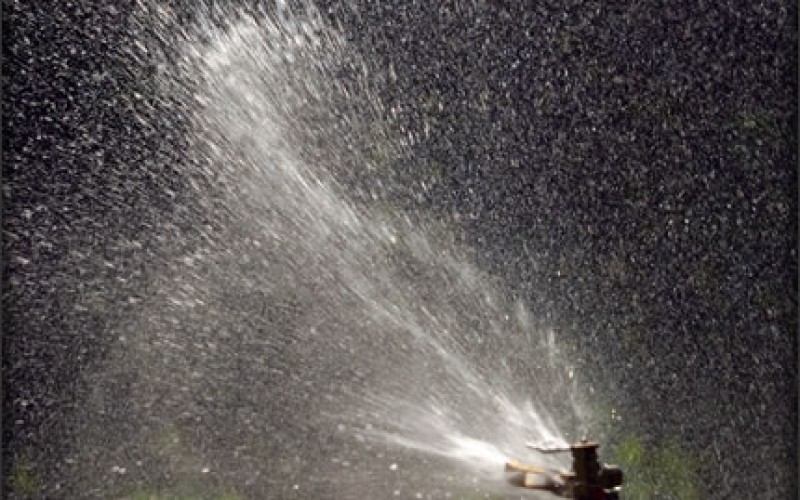
Watering the lawn during the middle of the day will increase waste. When the sun is high in the sky, evaporation increases accordingly.
Water your lawn and your plants first thing in the morning or in the evening. Cut out watering on rainy days and make use of slow trickle watering for garden shrubbery.
Mature Trees
Root systems help mature trees survive prolonged droughts. Such systems are extensive and usually stick far out and away from the base of the tree.
You can water your mature trees by watering your lawn. Given that root systems are typically no deeper than a foot from the surface, the watering you provide for your grass will seep down and replenish your trees.
Garden Shrubbery
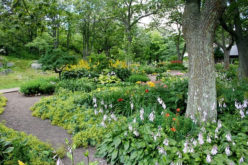
Your garden may be filled with plants that need regular watering and others that are drought tolerant. Azaleas and rhododendrons need to be sated regularly; a slow trickle in the early morning will do. Most of your other plants can go at least a week between waterings, with more frequent waterings during the summer.
Drought tolerant plants include both native and non-native species. Plants that can do well during droughts and require less watering include Virginia sweetspire, highbush blueberry and fragrant sumac. However, what works in one area of the country may not thrive where you live. Contact your state’s cooperative extension system office for assistance.
Recycled Water
Homeowners can reduce water consumption by reusing water that has served other purposes first. No, that does not mean reusing the toilet water — that is disgusting! What it does mean is finding out what waters can be reused and repurposing same.
Perhaps the easiest water to tap is rain water. You can get more water by making use of rain barrels at the base of your gutter system. Such barrels hold about 50 gallons of water and include a spigot and a hose for drip watering. Locate these at each downspout and you’ll improve your yard’s water management quickly.
The term “grey water” describes water used elsewhere, especially shower, bath and dishwasher water. Gray water is best used for ornamental plants and shrubbery while clear water should go to vegetable gardens. The easiest way to move gray water out of the house and to your gardens is with buckets. Some homeowners prefer to siphon the water or by setting up an exiting system where water can travel directly from the source to the garden through changes in plumbing.
Water Usage
Quite frankly, you may still be wasting water and may not be aware of it. Observe how your lawn takes water and if you notice ample run off, turn off the sprinkler system to allow the water to seep in. Resume watering once the ground has absorbed the earlier soaking.
See Also — The Cure For Your Brown, Parched Lawn
| google+ |
|__________________________________________________________|
home remodeling surprise
find out where it might go - new win


Helpful article? Leave us a quick comment below.
And please share this article within your social networks.