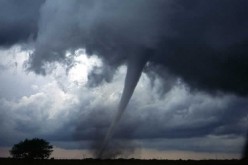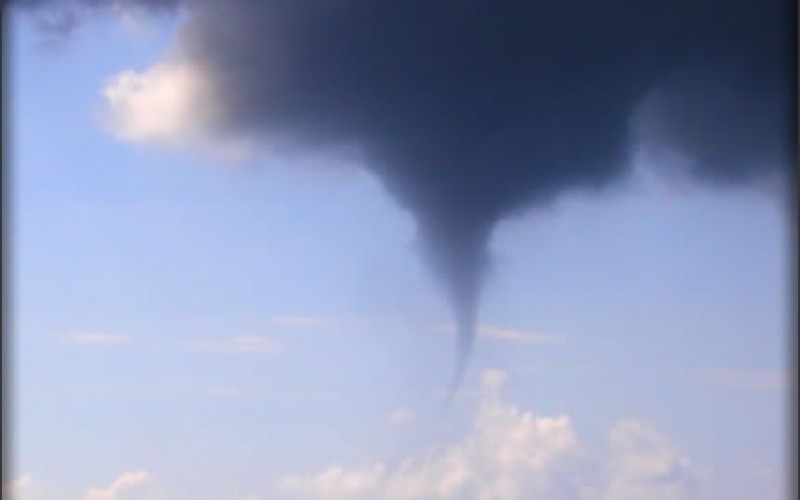
Still, tornadoes can happen in all 50 states although such reports are rare along the west coast as well as in Hawaii. Because tornadic winds are so violent, widespread destruction and death are possible. You can prepare for tornado season this year — read on and we will discuss how.
Assemble a Kit
FEMA recommends that homeowners in areas where tornadoes are more likely to happen build an emergency kit. Then again, a disaster kit can benefit all Americans especially if water, sewer, electricity and heating are cut off for days on end.
Your kit should include many things including enough water to last each family member for up to a week. A portable stove, canned foods and other nonperishable treats can also help. Ensure that your stove has enough fuel and matches too.

NOAA Radio
Americans should have NOAA radio at the ready, a device that offers up to the minute weather reports for their area. NOAA radios cost from about $30 and run on both electrical and battery charge.
When a storm threat is apparent in your area, turn your NOAA radio on. By the way, when shopping for a new radio, look for one that carries the Public Alert and/or the NOAA Weather Radio (NWR) All Hazards logo. Without such, you may not get the appropriate updates.
Take Shelter
When an alert has been given, particularly one that offers a warning for your area, take shelter immediately. If you are at home and have a basement, then head down there. If you do not have a basement, an inner room such as an enclosed bathroom is your best choice.
Shelters do not, however, offer full protection from the wrath of a storm, especially when during severe tornadic outbursts. FEMA recommends staying away from “corners, windows, doors and outside walls” when finding a place of safety.
Tornado Notes
Oftentimes, tornadoes strike without warning. You should be aware of the conditions that cause tornadoes to form and prepare as if one is eminent. Tornadoes usually travel from a southwest to northeast direction, but have been reported to travel in any direction.
According to FEMA, the average traveling speed of a tornado is 30 mph, but incidences of stationary speeds to 70 mph have been reported. Tornadoes are most likely to occur in mid afternoon to early evening, but can occur at any time, during any season and in any location.
See Also — Tornado Safety Tips for Families
| google+ |
|__________________________________________________________|
home remodeling surprise
find out where it might go - new win


Helpful article? Leave us a quick comment below.
And please share this article within your social networks.