first “what you need to know before installing garden fencing” idea

copyright image by 123rf.com
Why Build a Garden Fence
Summary Outline:
There can be many reasons you choose to install garden fencing. It can be for security, privacy, or simply for decoration. Regardless of your intention, as with any construction project, the process can be complicated and requires a degree of planning and forethought.
There are a number of things that you need to consider before you install your garden fencing. Often, it can be hard to know where to begin.
We’ve put together a guide with some information that you need to know before installing your garden fencing:
-
- —— begin first topic ——
-
1st:What Material Are You Going To Use?:
The first decision you need to make when it comes to installing a garden fence is what material is going to be used. There are few popular choices, each with their own specific advantages and disadvantages.
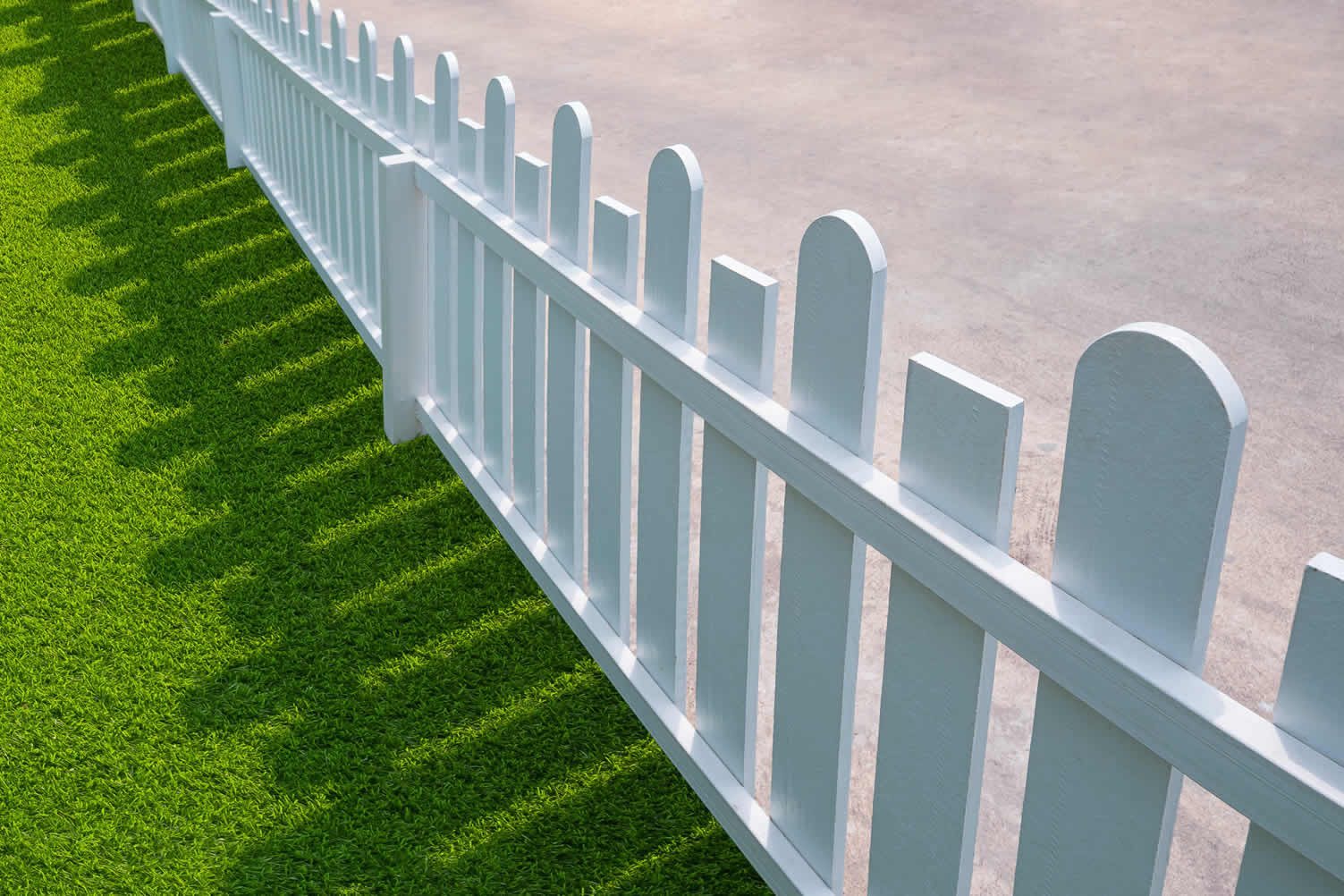
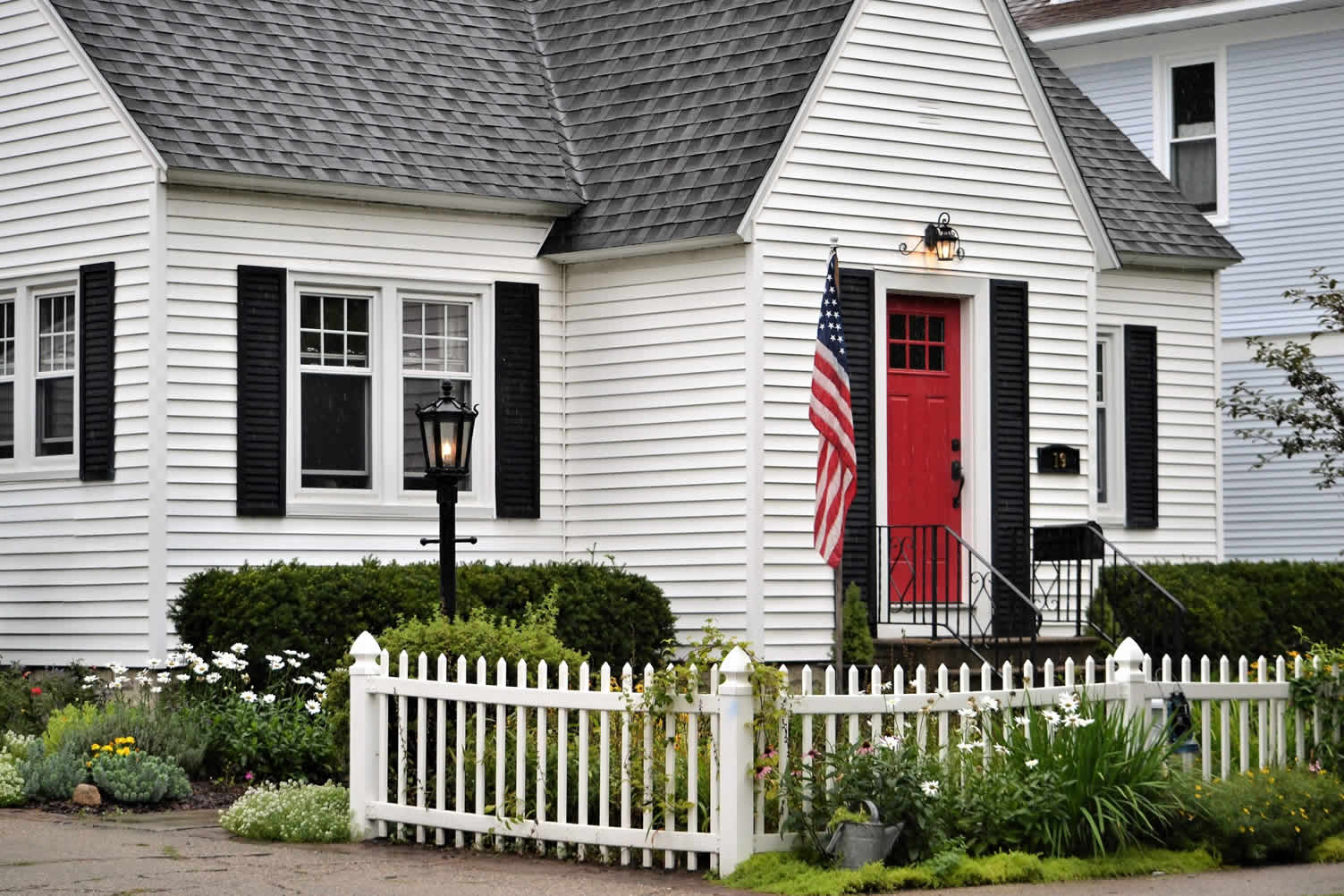
- Wood is the most commonly used material for a garden fence and is usually what we think of when we picture a fence. There’s a reason wood is so popular, it’s relatively low cost and easy to install, it’s versatile and reasonably durable. What’s more, wood can come in a variety of styles and patterns and can be easily painted to suit the look and feel of your garden.
- However, wood can be more vulnerable to damage and degradation than other materials. Moisture can cause wood to rot while temperature changes can cause warping. Additionally, wood can be attacked by fungi or insects which can cause serious damage.
-
copyright image by 123rf.com
- Vinyl fencing can be used as an alternative to wood and has a similar appearance when viewed from a distance. Vinyl is more robust than wood and will last longer but is still vulnerable to temperature swings and is more difficult to customize with paints and varnishes.
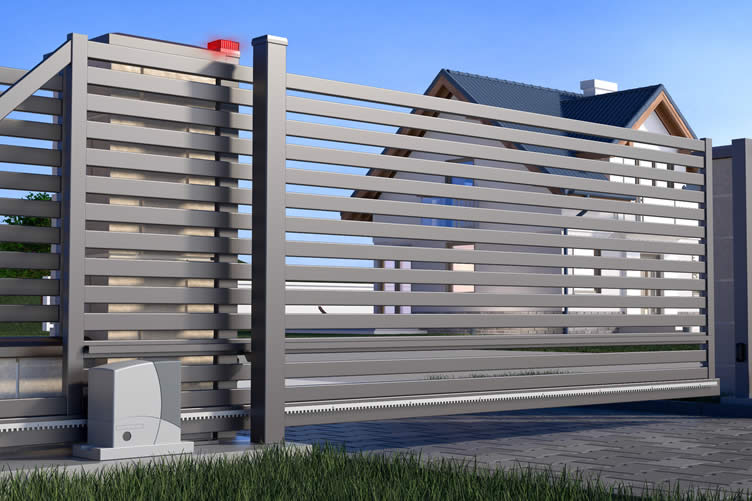
- Metal fencing isn’t the most popular choice when it comes to garden fencing, it is used more for commercial and farming properties. However, metal fencing can be used in your garden, it will provide a highly secure fence that is extremely strong and resistant to damage.
- Pay a visit to McVeigh Parker (mcveighparker.com), they have a wide range of garden fencing options available.
-
Quik scroll to topic side notes …
-
1st:Viewing the Varying Option for Fencing:
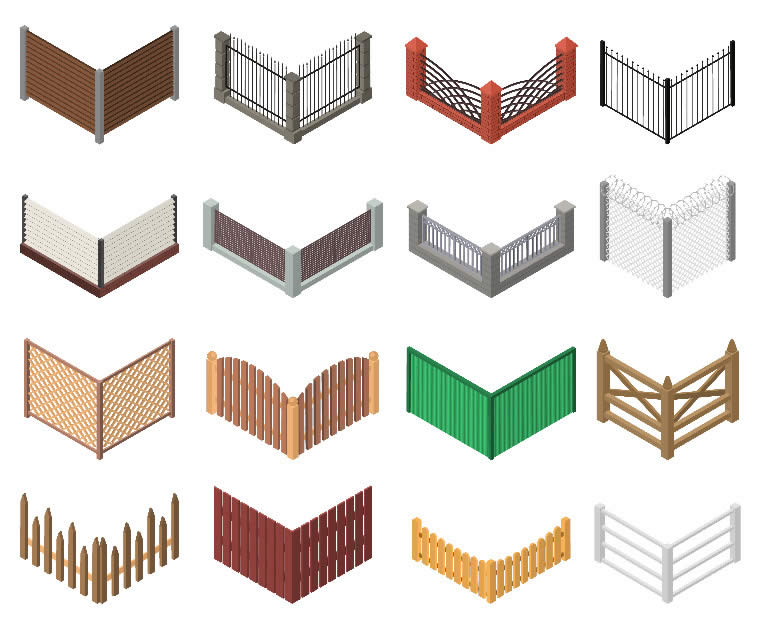
The materials available for a garden fence will include the following:
- wood
- vinyl
- metal
- wrought iron
- composite
- stone and/or brick
- living green such as hedges
- chain link
The type of material to use depends on location of the fencing and purpose. If you are looking for a simple picket fence for the garden or around the perimeter of the property, a wood or vinyl material would work best.
If you are looking for a tall privacy fence, wood, composite or metal are generally best options. If you live in a country or cottage setting, perhaps a stone hedge would look best. Collect some ideas on how the varying type of materials work in a garden setting.
copyright image by 123rf.com
images: Types of Fencing MaterialsWood wood fence cedar fence bamboo Metal wrought iron steel fence aluminum Vinyl vinyl picket vinyl panel vinyl lattice Composite fencing horizontal stone-like Stone stone wall stone foundation brick fence Chain Link fence chain link privacy lattice chain link Functioning Fencing Ideas
Patio/Deck patio enclosure deck rail pergola fence Recreation pool tennis court playground Garden garden beds animal proof garden edging Gardening vertical garden living walls hydroponic Creative lattice trellis arbor fence - —— next topic ——
-
2nd:Choose Your Posts:
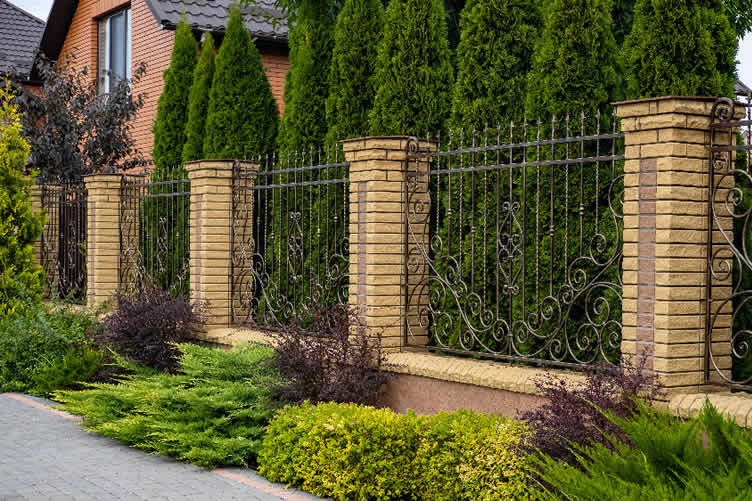
Fence posts act as the support for the fence. There are different materials that can be used for fence posts, with concrete and wood being the most popular choices. Posts can be set in the ground in concrete or held in place with post supports.
-
copyright image by 123rf.com
- Concrete posts can be an involved process that can take a lot of time and skill to install. However, they will offer your fence the very best support and will last for a long time. On the other hand, wooden posts are far easier to install, but they will be more likely to rot as they will be surrounded by moisture in the ground, so they will need to be replaced more regularly.
-
Quik scroll to topic side notes …
-
About Fencing Posts:
An important point regarding the installation of fencing posts is not only how to secure the post in the ground, but also the spacing requirements between posts. View the below reference materials about post placement and fence styling:
copyright image by envato.com
resources: Understanding Fence PostsTypes Fencing Posts images – setting fence post diagram images – fence post distance images Fence Post 101 info – how install fence post info – fence post spacing guide info How Choose Fence Post youtube – how set a fence post youtube – dig, set concrete post youtube – step-by-step post install youtube - —— next topic ——
-
3rd:Map Out Where Your Fence Will Go:
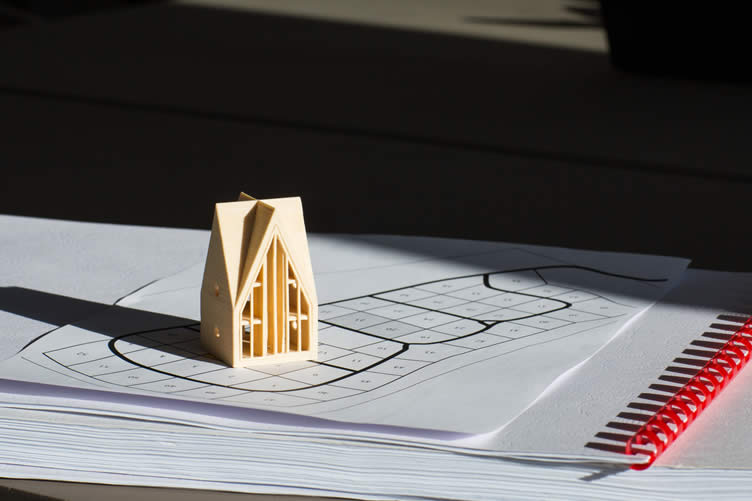
Once you have made a decision on the type of material to use for your fence and posts, it’s time to map out where exactly you want your fence to go. This can be done by using a series of sticks stuck into the ground, with string running from each stick to the next to map out the perimeter of your fence.
- This is a crucial step. It will give an idea of what your fence will look like when it’s up and can be used to identify any potential obstacles that could possibly hinder the installation process.
-
copyright image by envato.com
- What’s more, mapping out the area beforehand will give you an idea of exactly how much material you need. You don’t want to start the job only to find you don’t have enough material to finish your fence. Similarly, you don’t want to spend money on material that you don’t need.
-
Quik scroll to topic side notes …
-
What Are the Mapping Obstacles?
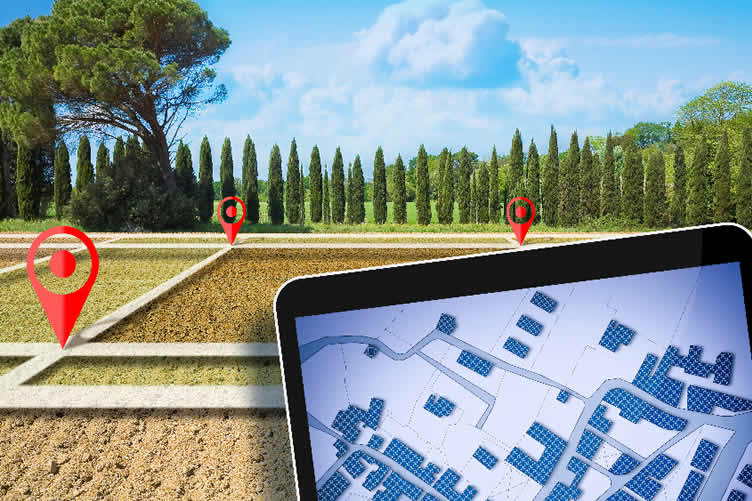
First and foremost is knowing where the property lines are – that is if you are installing a boundary/privacy fence. That last thing you need is for any part of your fence encroaching on another property.
Another key obstacle are the utility lines that run through your property. This includes electricity, water, natural gas, communication and internet, and sewer lines. Make sure these lines are clearly identified and traced before digging.
copyright image by 123rf.com
Other obstacles include vegetation growth, tree roots, and any natural feature that you want to preserve. Also note that some soil composition can and do shift.
So when you map the fence postings, make sure the soil composition will support the post. If the soil is too sandy or if it doesn’t drain properly, you may need to provide support anchors such as concrete or other to keep the post steady.
Fencing Needs
Decorative picket fence cedar panels lattice fence Privacy fence planks board on board bamboo fencing Boundary split rail wrought iron stone fencing Stockade farm animal horse fencing bamboo Security residential business chain-link - —— next topic ——
-
4th:Prep The Area And Your Material:
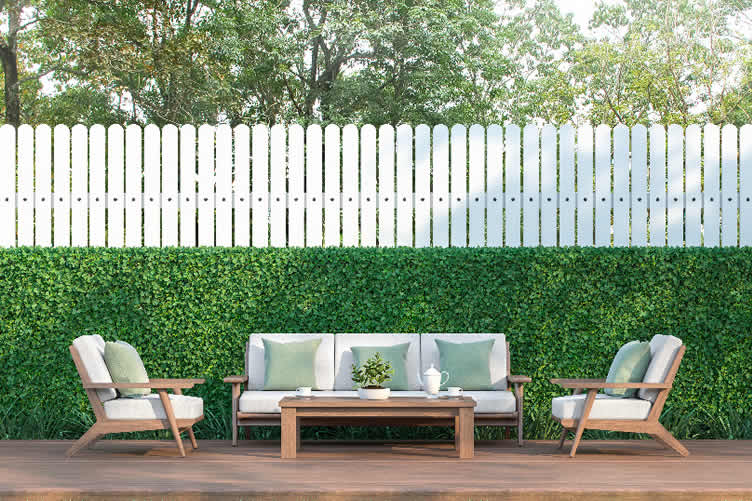
Once you have your fence perimeter mapped out, you’ll need to prepare the surrounding area. You’ll need to clear away all vegetation including grass, shrubs, plants, and weeds. These can carry moisture which can damage your fence and can harbor insects, fungus, and mold.
-
copyright image by 123rf.com
- You should treat all fencing and posts with a preservative, especially if you are using wood. This will keep moisture away from the material and deter fungi and insects.
-
Quik scroll to topic side notes …
-
Remember To Check If You Need Planning Permission:
When it comes to constructing a garden fence, many local authorities will stipulate conditions that must be met.
If your fence was to fail to meet some of these conditions, such as its height, you may need to apply for permission before you begin construction. Always check with your local authority before you begin.
Other Garden Elements
Irrigation in-ground drip hose Structures sheds greenhouses guest house Decorative arbors pergolas gazebos Other Elements mailbox flag pole window boxes Decor statues sundials gazing balls Ornaments animals gnomes gargoyles
-
Conclusion
Follow the steps we’ve outlined above and you’ll have your garden fence up in no time.
-
Quik scroll to more outside building structures ideas …

-
ideas to view and compare from the photo above
- What comments can you share about
planning and building a garden fence?
below for …
building a fence

Find Outbuilding Services Gazebos Play Equipment Outbuildings Fences Sheds Retaining Walls top-rated, pre-screened local contractors FREE: download contractor selection enter zip code – powered by HomeAdvisor ™
Quick Contractor Guides selecting negotiating working with inspecting

Cover image credit: what you need to know before installing garden fencing by 123rf.com
end of post … please share it!
 links open new win
or simply search by entering grass name or other remodeling need

Nice pic idea? Leave us a quick comment below.
And please share this pic idea within your social networks.