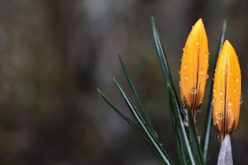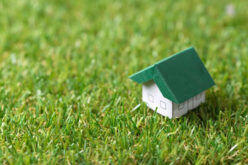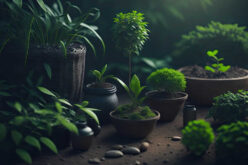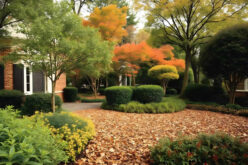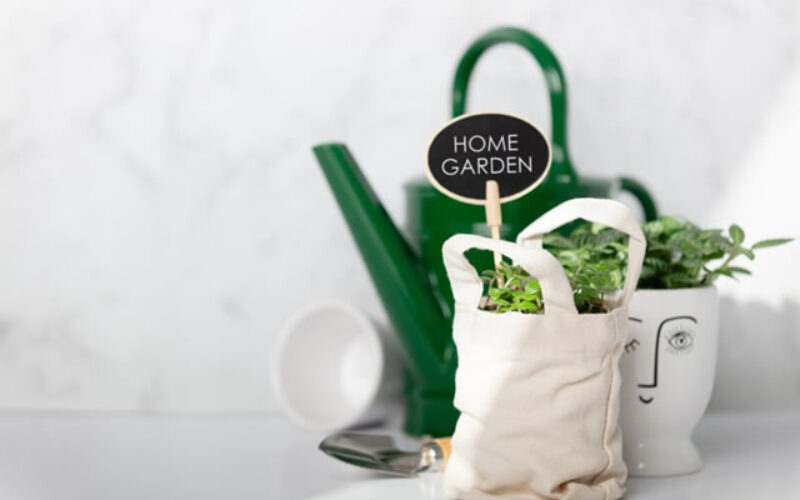
first “sustainable garden” idea


copyright image by twenty20.com
“Going Green” Gardening
Notes:
- Climate justice has been the urgent message and plea of many climate activists worldwide. Reducing the carbon footprint in all ways possible and the mobilization of various movements to preserve mother earth and to persevere in averting the looming crisis and the crippling impact of a warming planet for the sake of the future generation is more important now.
- Because of this, sustainability can be witnessed in many aspects of people’s lives now, in travel, beauty, fashion, household, and even gardening.
- If you’re fond of gardening and would like to participate in this global movement, here are tips you can do for more a sustainable garden and landscape:
-
Start a Compost:
You might be wondering what is composting?
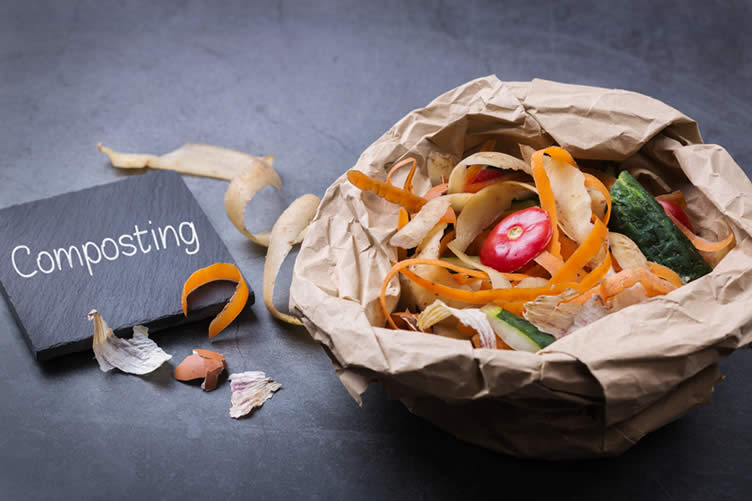
- Composting turns ordinary food scraps and recycles organic matter into valuable fertilizer that enriches the soil and grows healthy organic plants.
- Creating your compost is much better than buying ready-made fertilizers. Instead of throwing your food waste into the garbage bin, which will be dumped into landfills that may end up in the ocean, you’re collecting food waste and making it valuable as garden feed.
- Recycling organic waste lessens the burden on the environment as it cuts toxic methane emissions from landfills. Replacing synthetic fertilizers with homemade ones from compost reduces the risk of poisonous chemicals released into the soil. Using compost increases the soil’s water retention, thus requiring less water to feed the plants.
- Using compost increases the soil’s water retention, thus requiring less water to feed the plants.
-
What’s Needed:
Compost is what it means – it is discarding food scraps and outdoor browns into a bin to break down into compost. You need to right elements – sun heat – air – and worms.
Bins can be a makeshift crate enclosure stationed in the yard or a compost bin you can buy. There are three basic ingredients in composting:
Browns:
These can be dead leaves, twigs, and branches.Greens:
These are vegetable and fruit waste, coffee grounds, and grass clippings.Water:
Meanwhile, it provides moisture to break down the organic matter.Another important element are worms. Worms play important role in garden compost process.
Worms will eat scrape materials that become compost as it passes through the worm’s body.
You need to remember not to include scraps or waste that produce foul odors like meat and fish bones, dairy products, and pet wastes since it will attract insects and rodents that might contain parasites, bacteria, and viruses.
You don’t need a large incinerator to make compost. Small ones are available now and made from eco-friendly materials that will provide the right amount of compost for typical household gardening.
-
copyright image by envato.com
-
Collect Rain Water:
Instead of using new water, you may position a storage vessel right below your gutters so that rainwater can be collected to water your plants and your lawn.
- Rainwater harvesting is not a novel idea but has been around since ancient China. But even first-world countries like Germany and Australia are now embracing the idea of collecting rainwater not just for gardening purposes but also for household use.
- Homes that harvest rainwater typically reduce their consumption of treated water by 30-50 %.
-
Advantages of Rainwater Harvesting:
Rainwater harvesting is the process of collecting, preserving and storing rainwater. It provides a free and independent water supply that offers several ways this water can be utilized.

copyright image by Pixabay
Rainwater harvesting provides about 50% of a family’s water needs. This helps save water, money and reduces an impact on the environment.
Collect Household Water:
Often referred to as “gray water” where some ingenious households installed cisterns to collect water from bathing, washing clothes, and washing dishes to water plants in their garden.
Use this water along with you rain collection to reduce water consumption and save the planet.
-

view post: advantages rainwater harvesting | copyright image by FandB Recipes
-
Water Plants As Needed:
Plants may need not be watered all the time. You may only need to water plants twice a day, which should be early in the morning and late in the afternoon.
- Though you have to check the moisture of the topsoil, if it’s still a little wet, you can skip watering it until all the moisture has been absorbed. It will also help you conserve water if you choose drought-tolerant plants.
-
Here are some examples of drought-tolerant plants:
As with any plants, make sure to check you growing area on whether any of the plants can tolerate your climate conditions.
Another suggestion is check with you greenhouse growers. They can suggest the best drought-tolerant plants that do well you in your area.
Some more drought-tolerant plants to consider:
Smart Landscaping:
You’ve heard of smart homes; and how a smart home can help save money, make life easier, and add security to your home.
But what about smart gardens? What could you do to make your landscaping smart for easier maintenance and beauty.

image by envato.com
Let’s explore some ideas that can convert your garden landscape into something smart.
view post: (new win) creating smart landscaping for the future -
Use Electric-Powered Lawn Mower:
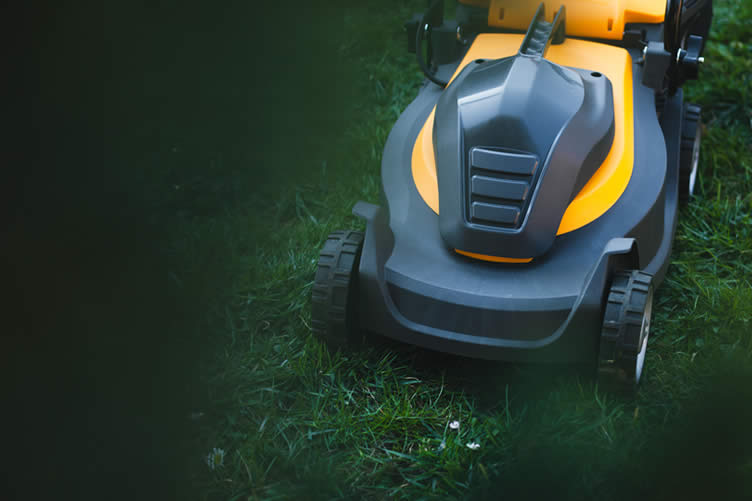
Using a gas-powered lawnmower for an hour, especially an old one can release toxic fumes similar to a brand-new car that’s running for 340 miles (550 kilometers) or maybe something around that figure.
- It can add to the dire state of greenhouse gases, which is why the planet’s temperature is increasing.
-
Keep The Mower Blade Sharp:
Using a dull old mower blade can lengthen your mowing time and consume more gas if you’re using a gas-powered lawnmower.
Make sure that you change or sharpen worn blades to ensure the efficiency of the equipment.
Pull Lawn Weeds By Hand:
Instead of using a lawnmower that runs on gas and emits harmful fumes, you may try pulling out weeds by hand. This is also great physical exercise for you and a lovely family bonding activity.
-
copyright image by envato.com
-
Avoid Synthetic Insecticides And Pesticides:
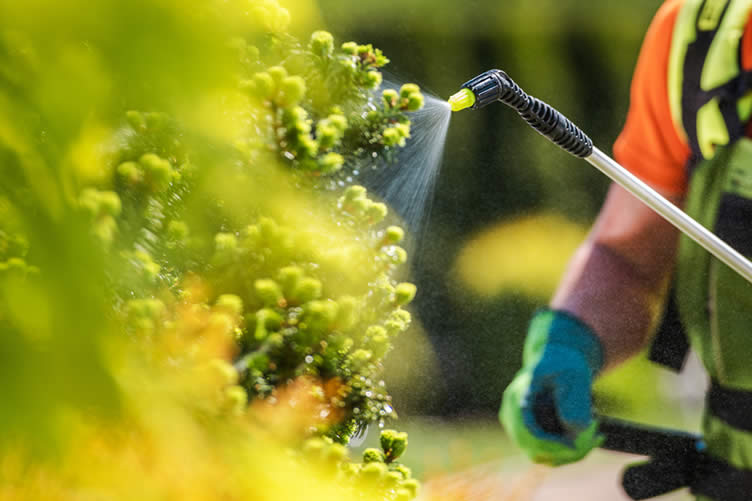
Aside from harming the environment, chemical pesticides also pose a considerable health risk. When inhaled, it can lead to respiratory problems.
- Today, organic and natural pesticides are available for those who want to make their gardening sustainable. This type of formulation uses ingredients naturally found in the environment, like neem oil.
-
-
copyright image by envato.com
-
-
CONCLUSION
Urban gardening has many benefits. It increases your home’s aesthetic appeal, gives you food to eat, and strengthens your body.
- Building a sustainable garden would be even more beneficial, not just for you but for the planet too.
-
Quik scroll to more sustainable garden and landscaping ideas …

-
ideas to view and compare from the photo above
- What comments can you share about
your sustainable garden ideas


Find Landscaping/Maintenance Landscape Design Landscape Maintenance Pest Control Sprinkler Systems Tree & Shrubs Water Features top-rated, pre-screened local contractors FREE: download contractor selection enter zip code – powered by HomeAdvisor ™
Quick Contractor Guides selecting negotiating working with inspecting

Cover image credit: sustainable garden by twenty20.com
end of post … please share it!
 links open new win
or simply search by entering garden water feature or other remodeling need

Nice pic idea? Leave us a quick comment below.
And please share this pic idea within your social networks.