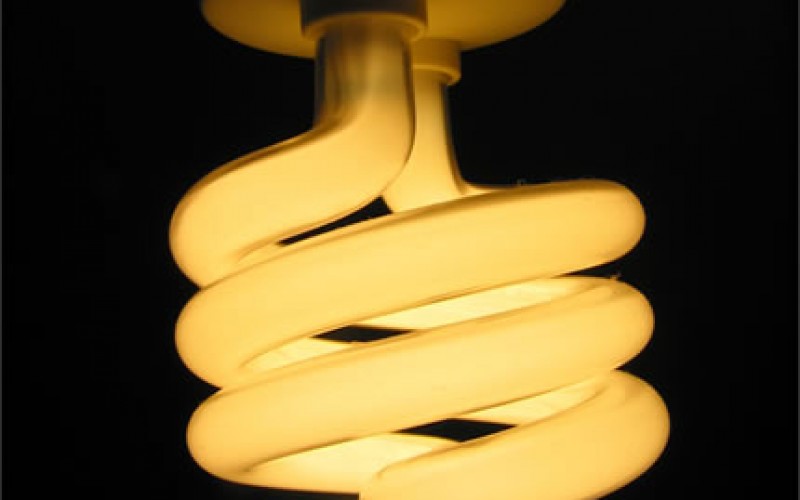
New technologies have arrived on the market, light bulbs that last much longer, use less energy and will cost you more. That initial cost, however, is an upfront price, one that you can recoup over time.
ENERGY STAR Bulbs
The new light bulbs we’re talking about are what are known as ENERGY STAR qualified light bulbs, those that meet the U.S. Department of Energy’s current guidelines. Unlike traditional incandescent bulbs that convert just 10 percent of the energy used into light (the remaining 90 percent is lost as heat), Energy Star qualified light bulbs make use of advanced technologies to produce sufficient lighting.
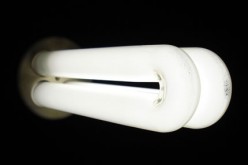
Such technologies are innovative and produce light efficiently by creating a chemical reaction among gases located within the glass tube, causing special phosphors to light up. Research has demonstrated that such bulbs are minimally three times more efficient than regular bulbs, and are outfitted with complex electronic circuitry to produce light.
Lifespan, Energy Savings
Qualified light bulbs offer a number of additional benefits including a much longer lasting lifespan — as long as seven years or about eight times as long as incandescent bulbs. The new bulbs cost more, but that cost is ultimately offset by what you pay for the older bulbs. Notably, you will see the cost differences narrowed and then erased over time.
Energy savings are signficant too as just one qualified bulb replacing one incandescent bulb will reduce your home’s temperature. Such bulbs are also easier on shades and other delicate materials — pleated paper shades and other soft touch materials are subject to fading with traditional light bulbs.
The environmental benefits of qualified light bulbs are apparent as well. Such bulbs reduce air pollution and greenhouse gas emissions, a pair of harmful byproducts of incandescent bulbs.
Design Choices
The Energy Department recommends installing the new bulbs in the rooms that you use the most for lighting including a porch, your dining room, the kitchen and your living room or in a family room. You can replace a variety of bulbs found in fixtures such as floor lamps, table lamps, wall sconces, pendants and open ceiling fixtures.
The new bulbs come in a variety of shapes too as different fixtures need different types of bulbs. A visit to the EnergyStar.gov website will reveal that certain bulbs work best with various fixtures. For instance, a harp shade would take a different bulb than a clamp shade. Special bulbs for track lighting, outdoor lighting, ceiling fan, wall sconce and pendant fixture are available too.
You will need a special bulb for dimmer or three-way switches, however — make sure that the new bulb is appropriately labeled to serve your specific needs.
Bulb Selection
Finally, when choosing a qualified light bulb, you will notice that the wattage output is much lower than for comparable incandescent bulbs. For instance, if you have been using a 60-watt bulb, you would replace that bullet with one offering 13 to 15 watts. Turn these bulbs on side by side and you would see that the the lumens, or light output, is the same — the energy output for the new bulbs, is much lower, saving you money.
|__________________________________________________________|
home remodeling surprise
find out where it might go - new win


Helpful article? Leave us a quick comment below.
And please share this article within your social networks.