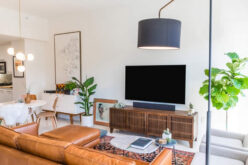
Real estate buyer psychology is quick and stubborn, and home selling first impressions can lock in a feeling about the property before anyone notices the upgrades behind the walls.
That’s why home presentation value often outweighs costly renovations: buyers don’t pay for effort, they pay for the story the home tells when they step in. Boosting home appeal starts with understanding how perceived value gets formed.
How Home Value Perception Gets Built
Home value perception is the quick picture buyers form about quality, care, and livability. It starts outside with curb appeal, then gets confirmed inside by light, cleanliness, flow, and simple staging choices.
The goal is to influence the decision factors buyers actually notice, so small presentation upgrades feel like meaningful value.
This matters because big projects can cost a lot without changing the way a home “reads” in the first five minutes. With homeowners spent heavily on upgrades, it pays to prioritize improvements that change perception fast.
Presentation-focused fixes often shorten days on market because they remove doubt and make the home easier to imagine living in.
Think of two identical homes: one has scuffed paint and crowded rooms, the other has neutral walls, clear counters, and brighter bulbs. The second one feels newer and better maintained, even if nothing major was remodeled.
Buyers are responding to signals, not spreadsheets. With those signals in mind, testing digital design options helps you choose the strongest look before spending.
Mock Up “Before/After” Looks With an AI Sketch Sandbox
When you know that small visual cues can reshape a buyer’s impression, it helps to preview those cues before you spend a dime.
An AI drawing generator can act like a quick “what-if” sandbox for your space: upload a photo of the room as it looks today, or start from a simple idea, then generate a few visual concepts that show possible improvements. You can test changes like fresher-looking finishes, cleaner layout options, or more appealing styling directions, and see how each one affects the overall feel.
The real value is in comparison. Generate a handful of variations and look for the version that reads as more polished and market-ready, maybe one color direction makes the room feel brighter, or a different arrangement makes it feel less crowded.
Tools like Adobe Firefly make it easy to explore multiple looks quickly so you can spot the strongest direction before committing time or budget.
A Budget-Friendly Pre-Sale Checklist: Declutter, Brighten, Repair
A few focused, low-cost tweaks can make a home feel bigger, brighter, and better cared for, without a renovation budget. Use your AI “before/after” mockups to decide what matters most, then work through this checklist in order.
-
Declutter with a simple “three-bin” setup:
Start with one room at a time and set up donation, trash, and “relocate” containers near the door so decisions stay fast and visible; many organizers swear by having bags or bins ready before you start.
Clear flat surfaces first (counters, coffee tables, nightstands), then tackle floors and closets. Buyers don’t need to see your stuff, they need to see the space.
-
Depersonalize and create “easy sightlines”:
Pack away family photo walls, niche collections, and anything that visually “stops” a room. Then do a quick doorway test: stand in the entry to each room and remove the first three items that grab attention (oversized chairs, busy rugs, extra side tables).
The goal is a smooth walk-through where the room’s size and function are obvious.
-
Brighten with layered, matching light (not just brighter bulbs):
Replace burnt-out bulbs, then aim for consistency, similar color temperature in each room so it doesn’t feel patchy. Add light where buyers expect it: a floor lamp in a dim corner, an under-cabinet puck light in a shadowy kitchen run, or a brighter bulb in a hallway fixture.
Open blinds, clean windows, and place mirrors where they bounce daylight (across from windows, not behind them).
-
Fix the small stuff buyers always notice:
Spend one afternoon doing a “touch test” walkthrough: wiggle doorknobs, open every cabinet, run faucets, flush toilets, and turn on fans.
Prioritize quick, confidence-building fixes, dripping taps, squeaky hinges, loose outlets, sticking doors, because small repairs signal the home has been cared for. Patch nail holes, touch up scuffs, and recaulk obvious gaps in kitchens and baths.
-
Stage with fewer pieces and clearer purpose:
Use your AI mockups as a guide for which rooms need the biggest “wow” factor, then edit furniture like a minimalist. Create one focal point per room (a neatly made bed, a simple dining setup, a clean sofa-and-coffee-table layout) and remove anything that blocks pathways.
If a room is awkward, give it a job buyers want, small desk = home office, slim bench = mudroom drop zone.
-
Boost curb appeal in one weekend:
Mow, edge, and weed first, the “frame” matters more than fancy landscaping. Then do a front-door refresh: clean the door, replace a tired welcome mat, and add a single pot or two for symmetry.
Finally, check exterior lighting, house numbers, and the mailbox; these small details help the home feel easy to approach and safe after dusk.
Home-Selling Questions Sellers Ask Most
Q: What low-cost upgrades do buyers notice most right away?
A: Start with anything that improves “first impression” clarity: brighter lighting, clean surfaces, fresh caulk, and updated hardware. Outside, focus on what exterior sets the tone in the first 10 seconds, like the entry, landscaping edges, and visible fixtures. If you only do one thing, make the home look cared for.
Q: How do I choose upgrades that match buyer preferences without guessing?
A: Use your AI mockups plus active listings in your price range to spot patterns in finishes and room layouts. Pick neutral, widely appealing changes (paint touch-ups, consistent bulbs, simple staging) and avoid anything too personal or trendy.
Q: When should I stop improving and list already?
A: List once the home is clean, functioning, and photo-ready, even if it is not “perfect.” In softer conditions where home values dropped, speed and presentation can matter more than extra projects that delay your launch.
Q: Can I get a good return from one bigger exterior upgrade?
A: Sometimes, yes, if it is a high-visibility item in rough shape. A new garage door can be a strong value signal, but only makes sense if your current one hurts curb appeal.
Q: Where can I find reliable DIY instructions without getting overwhelmed?
A: Look for manufacturer install guides, code-aware videos from established tool brands, and step-by-step checklists from home inspection or trade education sites. Then do a short test run on one small task, confirm you have the right tools, and set a firm time limit.
Sell Faster by Focusing on High-Impact Home Presentation
Getting a home ready to sell can feel like a tug-of-war between wanting top dollar and not wanting costly renovations or weeks of disruption. The practical approach is simple: use home selling summaries and apply home improvement tips that sharpen presentation and reduce buyer hesitation, rather than chasing perfection.
When these final home presentation steps are handled with consistency, increasing property marketability becomes predictable heading into photos, showings, and open houses. Small, targeted presentation changes sell homes faster than big, unfocused projects.
Image credit: boost your home’s appeal by envato.com
end of post … please share it!
| more photo remodeling |
Jump Over to Our Photo Analysis Center for Ideas on
"Renovating Home"

|__________________________________________________________|
home remodeling surprise
find out where it might go - new win


Helpful article? Leave us a quick comment below.
And please share this article within your social networks.