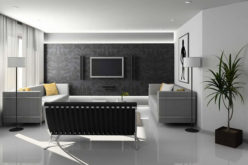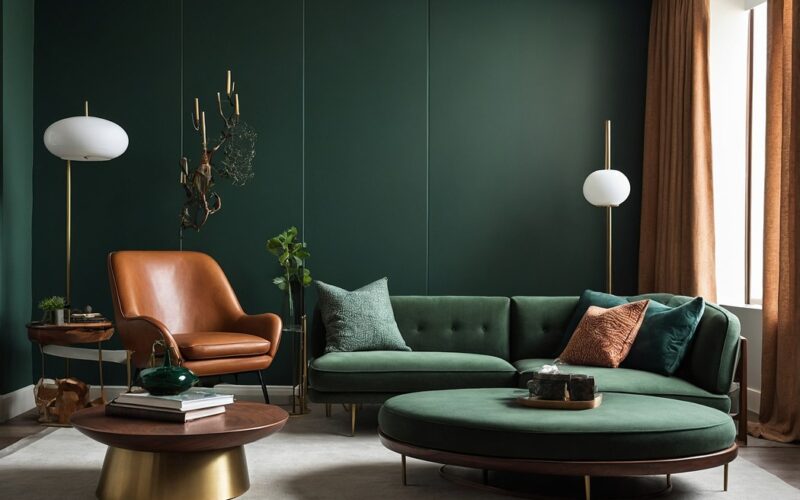

Every room has a natural focal point, but that doesn’t mean you’re obligated to keep it. A fireplace might dominate your living room, or perhaps an oversized window draws attention away from your favorite artwork. Explore these ways to change the focal point in any room and discover how furniture, color, artwork, and light can create a more intentional interior. Start with the area you’d love to emphasize, then use the following ideas to give it the attention it deserves.
Rearrange Furniture To Redirect Attention
Furniture placement has a remarkable influence on how people perceive a room. Sofas, chairs, and tables naturally guide the eye toward the areas they face, so a new arrangement can establish an entirely different visual hierarchy. You don’t necessarily need new furniture to achieve a noticeable transformation.
Imagine a living room where every chair faces the television. Rotate the sofa toward a beautiful window or a favorite painting, then position two accent chairs nearby to create a more intimate conversation area. The television remains accessible, but it no longer dictates the room’s entire composition. Even a modest adjustment to the furniture layout can give another feature greater prominence.
Use Artwork To Establish a New Center of Attention
A beautiful piece of artwork can command attention even in a room full of architectural details. Large paintings, sculptural wall installations, and carefully curated collections introduce visual interest that can rival a fireplace or expansive window. The trick is to select artwork with enough presence to establish its own identity within the space.
For example, consider a living room with a traditional brick fireplace that currently dominates the interior. A substantial abstract painting on an adjacent wall can introduce a contemporary contrast and redirect attention. Learn how to use artwork as a focal point in any room to get the ideas you need to make the right changes.
Introduce a Statement Wall With Color
Color offers another effective approach to redirect visual attention, particularly in rooms with relatively neutral interiors. A rich accent wall creates contrast against adjacent surfaces and establishes a natural destination for the eye. Deep navy, muted terracotta, forest green, and warm charcoal can all create a sophisticated backdrop.
The best location depends on the room’s proportions and architectural character. A wall behind the bed can establish a stronger focal point in a bedroom, especially when paired with coordinated textiles and understated bedside furniture. In a dining room, a contrasting wall behind a sideboard can draw attention toward decorative objects or artwork. Keep the surrounding palette relatively restrained so the new feature retains its visual authority.
Use Strategic Light To Highlight Specific Features
Light can change the perceived hierarchy of a room without any furniture adjustments or structural alterations. Our eyes naturally gravitate toward illuminated surfaces, particularly when those surfaces contrast with darker surroundings. This gives you considerable control over the features that receive attention.
Consider a hallway with an attractive collection of framed photographs. Dedicated picture lights can give the collection greater presence, especially when general illumination remains soft and balanced. In a living room, an adjustable accent light can emphasize a sculpture, textured wall, or architectural niche. Select a suitable color temperature and brightness level so the illuminated feature feels integrated with the rest of the interior.
Add a Distinctive Piece of Furniture
A statement furniture piece can establish a new focal point through its silhouette, material, or craftsmanship. An antique cabinet, sculptural lounge chair, or beautifully proportioned dining table introduces character without the need for extensive decorative accessories. The surrounding furniture should complement its presence rather than compete for attention.
For instance, a contemporary living room might benefit from a vintage walnut credenza with distinctive hardware. Place it against a relatively uncluttered wall and add a carefully selected ceramic vessel or framed photograph. The combination creates a composed display that naturally attracts attention. A restrained arrangement also allows the furniture’s craftsmanship to remain visible.
Create Contrast Through Texture and Materials
Texture introduces depth and visual variety, particularly in interiors with a consistent color palette. Natural stone, woven textiles, polished metal, and richly grained wood reflect light differently, so each material contributes its own character. A deliberate contrast between surfaces can establish a focal point without dramatic color changes.
A smooth plaster wall, for example, provides an elegant backdrop for a carved wooden console or a textured tapestry. Similarly, a velvet accent chair can attract attention in a room dominated by linen upholstery and pale wood furniture. Choose materials that complement the existing interior rather than introduce unrelated decorative themes. This approach works particularly well in understated spaces where subtle details deserve closer appreciation.
Make a Fireplace Less Visually Dominant
Fireplaces naturally attract attention because of their scale, placement, and architectural detail. That said, some interiors benefit from a different focal point, particularly when the fireplace feels disproportionately large or visually disconnected from the furnishings. You can soften its presence without altering the original structure.
Start by reducing decorative clutter on the mantel and selecting accessories that blend with the surrounding palette. A neutral fireplace surround can also reduce contrast against adjacent walls. Then introduce a more expressive feature elsewhere, such as a substantial painting or an elegant bookshelf display. The fireplace retains its architectural character but shares attention with another element.
Introduce a Large Mirror To Transform Perspective
Mirrors can influence both the apparent dimensions of a room and the direction of visual attention. A generously sized mirror reflects nearby furniture, architectural details, and available light, so its placement deserves careful consideration. Decorative frames can also establish a focal point through their shape, finish, or craftsmanship.
In a narrow entryway, a tall mirror above a console can create a sense of depth and give visitors an immediate visual destination. A round mirror offers a softer contrast in rooms dominated by rectangular furniture and straight architectural lines. Position it to reflect an attractive feature rather than a cluttered corner. The reflection becomes part of the overall composition.
Refresh Your Space With a New Focal Point
A successful interior doesn’t need every decorative feature to compete for attention. The most compelling rooms establish a thoughtful hierarchy through furniture placement, artwork, color, materials, and carefully directed light. Small adjustments can transform the atmosphere, especially when each choice supports a clear visual intention. These ways to change the focal point in any room give you the flexibility to refresh your surroundings without an extensive renovation. Begin with one feature that deserves greater prominence, then adjust the surrounding elements to support it.
Image Credentials: By Saktanong, 1142254616
|__________________________________________________________|
home remodeling surprise
find out where it might go - new win


Helpful article? Leave us a quick comment below.
And please share this article within your social networks.