
A home renovation can change far more than the look of a room. New windows alter airflow, foundation work exposes hidden gaps, and a basement conversion turns storage space into somewhere people spend hours each day. Those changes make radon worth considering before the first wall comes down.
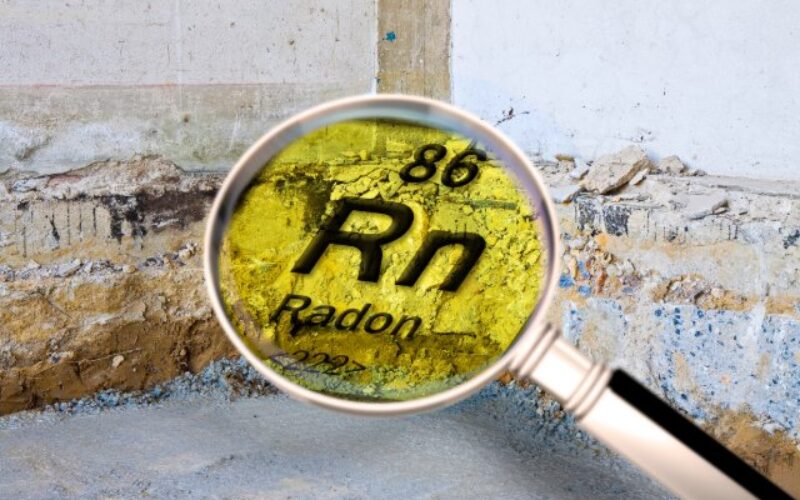
Radon is a natural radioactive gas that can build up indoors without any obvious warning. You cannot smell or see it, and ordinary home inspections do not reveal its concentration. Keep reading to understand how radon can affect your home renovation project.
Why Radon Belongs on Your Renovation Checklist
How Radon Gets Inside
Soil and rock contains trace amounts of uranium, which naturally breaks down and releases radon. The gas can travel up from the ground into a building through foundation cracks, spaces around pipes, and joints in concrete floors. Air pressure differences can draw it indoors.
Radon exposure increases lung cancer risk over time, especially for people who smoke. A house can look perfectly normal but still contain dangerous levels of radon. Even neighboring properties can produce very different test results.
What Remodeling Changes
Radon can affect your home renovation project because the construction work may open new pathways for soil gas or change how air moves through existing ones. Sealing drafts can improve comfort and energy performance, but it can also alter pressure and ventilation. Neither the age nor the appearance of your home tells you whether those changes will raise radon concentrations.
That is why radon testing before renovation makes sense for projects affecting lower floors, foundations, or ventilation systems.
Four Renovation Projects That Deserve Extra Attention
1. Basement Conversions
A finished basement can provide a playroom, guest suite, or quiet office. It also places household members closer to potential entry points in the floor and walls.
Inspect visible cracks and gaps around utility lines before covering them with finishes. Look for signs of high radon levels in your basement, like a musty smell or wall stains.
These features cannot tell you about radon levels. A test is the only reliable way to measure the concentration. Test the basement itself if people will regularly use that space.
2. Extensions and Foundation Repairs
Adding a room or repairing a foundation can disturb soil, introduce new joints, and create openings around service connections. Small gaps matter because radon moves through pathways that may be difficult to spot once construction ends.
Discuss radon protection when the foundation design is still flexible. Depending on local building guidance, measures might include membranes, sealed penetrations, or provisions for a future extraction system. Proper detailing is easier before contractors pour concrete or close walls.
3. Energy Efficiency Upgrades
Insulation, weatherstripping, and replacement windows can make indoor temperatures easier to control. Yet a tighter building envelope changes natural air exchange.
This does not mean energy improvements are unsafe. It means ventilation deserves the same planning attention as insulation. Ask your installer whether the work could affect pressure differences, existing ventilation equipment, or a radon mitigation system.
4. Basement Flooring Replacement
Pulling up an old floor may expose cracks or joints that were previously hidden. Check these areas before installing moisture barriers, underlay, or decorative flooring.
Suitable sealing work can reduce opportunities for soil gas to enter, but sealing alone may not solve a radon problem. If testing finds elevated concentrations, consult someone qualified to recommend a complete reduction strategy.
When and How to Test for Radon
Take a Baseline Measurement
Testing before construction creates a record of existing conditions. That helps you understand whether a later result reflects a change or a problem that was already present.
Before booking trades, ask whether your property has previous radon test records. A report from a former owner can provide context, but older readings cannot replace a current measurement after alterations. If you live in a designated high-radon area, mention that when requesting quotes. Contractors who understand the guidance can help you plan protective details without disrupting the rest of your project.
Use a radon detector suitable for your country, and follow its placement instructions carefully. Some tests provide a short snapshot; longer measurements better represent average exposure because radon levels fluctuate with weather and occupancy conditions.
Plan your testing schedule early. Building work, open windows, and unusual ventilation patterns can interfere with representative measurements. Ask the test provider how to handle your renovation timeline rather than assuming any reading is comparable.
Know Your Local Action Levels
Guidance differs across regions and countries. In the US, national health agencies recommend fixing homes at 4 picocuries per liter (pCi/L) or more, and taking action between 2 and 4 pCi/L.
In the United Kingdom, the Action Level is 200 becquerels per cubic meter (Bq/m³), with a lower Target Level of 100 Bq/m³. Ireland uses a residential reference level of 200 Bq/m³. Australia also sets a household reference level of 200 Bq/m³.
These levels guide decisions; they do not mark a boundary between completely safe and unsafe air.
What to Do if Testing Finds Elevated Radon
Choose a Solution That Fits the Building
An elevated reading does not necessarily require canceling your renovation. It does mean radon reduction should become part of the plan before finishing affected rooms.
For some buildings, specialists install a sub-slab depressurization system that funnels ground gas from underneath the foundation to outside. Other construction types may need different treatments. The right approach depends on the foundation, measured concentrations, and local building conditions.
Avoid relying on open windows as a permanent fix. Ventilation can influence readings, but a dependable solution must address the building’s specific radon problem.
Coordinate the Work
Tell your renovation contractor about test results and any mitigation equipment already installed. New plumbing, electrical work, or flooring should not damage protective barriers or block system pipes.
Request a clear explanation of where components will sit and what their maintenance plan is. If a fan needs electrical power or servicing access, its location should make future upkeep straightforward.
Include these discussions in cost planning. Installing protection while structural areas are accessible may cause less disruption than reopening completed finishes.
Retest After the Renovation
Check the Finished Space
Once construction is complete and normal living conditions return, arrange another radon test. Retesting matters particularly after a basement conversion, major airtightness work, or foundation changes.
The US EPA advises retesting when living patterns change, and people begin using a lower level of the home. Ireland’s EPA similarly identifies major refurbishment as a reason to check levels again.
If professionals installed a mitigation system, arrange the recommended follow-up measurement to confirm its effectiveness. Keep the results alongside renovation invoices and equipment instructions.
Conclusion
A successful renovation makes a home more practical and comfortable, but its hidden systems deserve just as much attention as the visible finishes. By checking radon before work begins, discussing protection with contractors, and testing again afterward, you can enjoy your improved space with greater confidence.
Image Credentials: by Francesco Scatena, #333414949
|__________________________________________________________|
home remodeling surprise
find out where it might go - new win


Helpful article? Leave us a quick comment below.
And please share this article within your social networks.