Key Takeaways
- River-adjacent homes can provide views, recreation, and a strong connection to the outdoors, but location-specific research is essential.
- Flood zones, drainage, insurance, permits, and prior water intrusion should be reviewed before contract deadlines pass.
- Two homes in the same village may differ greatly in commute convenience, noise, elevation, parking, and daily walkability.
- Older homes can offer architectural character, but buyers should budget for inspections and future system updates.
- A sound purchase decision weighs scenery against ownership costs, condition, and long-term usability.
It also calls for a closer look at water exposure, terrain, older housing systems, transportation, and the practical costs that sit behind a beautiful listing.
Buyers comparing Croton-on-Hudson NY Homes for Sale can use The Nancy Kennedy Team’s neighborhood guide to review available properties alongside local lifestyle details for Croton-on-Hudson and nearby Westchester communities.
The guide is especially useful because it connects home searches with factors that matter locally, including river access, village character, housing styles, and commuter considerations.
Why Hudson River Communities Attract Home Buyers
Croton-on-Hudson sits where the Croton River meets the Hudson River, giving many parts of the village a landscape shaped by hills, water, wooded streets, and changing seasonal views. Buyers may be drawn to riverfront paths, parks, village businesses, historic homes, and access to regional rail service.
The appeal is not only visual. A home can support a quieter setting while still allowing a realistic weekday routine, provided the property’s exact location matches the household’s needs.
Start With The Daily Routine
Before comparing finishes or views, define how the house must function from Monday through Friday. Consider the actual travel time to the Croton-Harmon station, major roads, grocery stores, medical appointments, and regular activities.
Decide whether a home office, garage, guest room, finished basement, flat yard, or walkable village location is most important. A larger home farther uphill may offer privacy, while a smaller home near the station or downtown may reduce driving and simplify daily errands.
Review The Full Cost Of Ownership
The list price is only the beginning of the financial picture. Build a monthly and annual budget that includes:
- Mortgage principal, interest, and lender-required reserves.
- Property taxes and any applicable condominium or homeowners association fees.
- Homeowners insurance and flood coverage are required by a lender or advisable for the property.
- Heating, cooling, water, sewer, and electric costs.
- Maintenance for roofs, mature trees, retaining walls, driveways, drainage systems, and older mechanical equipment.
- Potential future work on decks, foundations, landscaping, or shoreline-related features.
Check Flood Risk And Water Conditions
Distance from the Hudson River alone does not determine water risk. A home can face water concerns because of its elevation, nearby streams, a sloped lot, poor grading, storm drains, or a basement that collects runoff.
Review the address through the FEMA Flood Map Service Center, then ask the seller direct questions about prior flooding, dampness, sump pumps, drainage improvements, insurance claims, and water entering the basement or garage.
Request an insurance quote before the inspection period ends, rather than estimating coverage from a map alone. During a showing, look for water staining, peeling finishes, mildew odors, pump equipment, exterior grading that directs water toward the home, and retaining walls that may need attention.
Recent reporting on New York flood disclosure discussions also reinforces why buyers should ask about a property’s history plainly and document the answers.
Study The Property’s Age And Building Systems
Established Westchester homes often feature original woodwork, mature landscaping, and distinctive layouts that buyers value. Age itself is not a defect, but it increases the importance of careful inspection.
Review the roof’s age and condition, electrical panel and wiring, plumbing materials, heating and cooling equipment, insulation, windows, foundation movement, and signs of moisture.
Where applicable, arrange separate evaluations for septic systems, wells, underground oil tanks, structural concerns, or environmental issues.
Confirm Zoning, Permits, And Future Plans
Verify that finished basements, additions, decks, garages, pools, sheds, and accessory structures were properly approved. Ask for municipal permit records, certificates of occupancy where relevant, and documentation for major renovations.
Buyers should also identify easements, shared-driveway obligations, right-of-way agreements, conservation restrictions, and setback rules before assuming a future addition or outdoor project will be possible.
Research nearby proposals as well, since development can affect traffic, views, construction noise, and privacy.
Compare Micro-Locations, Not Just Town Names
“Croton-on-Hudson” describes a village, not one uniform living experience. Visit a prospective street more than once, including during rush hour and after dark.
Compare train and road noise, driveway steepness, street parking, sunlight, tree cover, privacy, and the practical walk to shops or rail service. Confirm school assignment rules directly with the appropriate district rather than relying on a listing.
A property with a river view may be ideal for one buyer and inconvenient for another if access, parking, or daily travel does not fit.
Use Current Market Data Wisely
Market data is useful when it is specific. Compare recent closed sales with similar conditions, lot characteristics, location, number of bedrooms, and utilities.
Avoid treating price per square foot as a complete valuation tool, particularly when river views, proximity to the station, updated systems, parking, or flood exposure vary.
Active listings show competition, but closed sales reveal what buyers have actually paid. A local real estate professional can help separate meaningful comparisons from superficial similarities.
Build A Strong Buyer Due Diligence Team
- Work with a local real estate professional who understands Croton-on-Hudson’s smaller location patterns.
- Hire an independent home inspector and attend the inspection when possible.
- Use a New York real estate attorney to review the contract, title materials, survey, and disclosures.
- Speak with an insurance agent about address-specific coverage and deductible options.
- Bring in qualified specialists when inspections raise questions about drainage, structure, septic, wells, or environmental conditions.
Ask Better Questions During A Showing
- Has the property ever had water intrusion, flooding, or drainage work?
- How old are the roof, boiler, furnace, central air system, and water heater?
- Which improvements were completed, and were permits obtained?
- Are any roads, driveways, docks, or access areas shared?
- What are the typical utility costs and property maintenance demands?
- How busy is the street during commuting hours, evenings, and weekends?
Know When To Walk Away
Extra caution is appropriate when a home has repeated water problems without a documented repair plan, unclear shared-access rights, unpermitted construction, major structural concerns without credible estimates, or insurance costs that make the monthly budget uncomfortable.
It is also reasonable to walk away from a scenic property that fails the daily-routine test. A view is enjoyable, but it cannot solve an impractical commute, unreliable access, or ownership costs that strain the household’s long-term plan.
Common Questions About Buying Near The Hudson River
-
Is A River View Enough To Justify A Higher Price?
A view can influence buyer demand, but its value should be weighed against privacy, access, insurance, maintenance, noise, condition, and comparable sales. The best comparison is between homes with genuinely similar location benefits and responsibilities.
-
Do Homes Near The Hudson River Always Need Flood Insurance?
Not necessarily. Requirements depend on the property’s flood-zone designation, the lender, and the loan terms. Buyers should obtain address-specific guidance from their lender and insurance professional.
-
Are Older Croton-on-Hudson Homes A Bad Investment?
No. A well-maintained older home can be a rewarding purchase, but buyers should understand its systems, maintenance history, and likely capital improvements before committing.
Final Checklist Before Closing
- Complete all general and specialist inspections.
- Confirm insurance coverage in writing.
- Review title, survey, permits, and relevant occupancy records.
- Recheck taxes, association fees, utility estimates, and repair agreements.
- Conduct a final walkthrough shortly before closing.
Conclusion
A Hudson River home in Croton-on-Hudson can offer beauty, outdoor access, and a meaningful sense of place.
The strongest buying decision, however, is grounded in details less visible than the view: flood exposure, drainage, insurance, building systems, permits, transportation, and the location’s daily realities.
Careful due diligence helps turn an appealing property into a home that works for years to come.
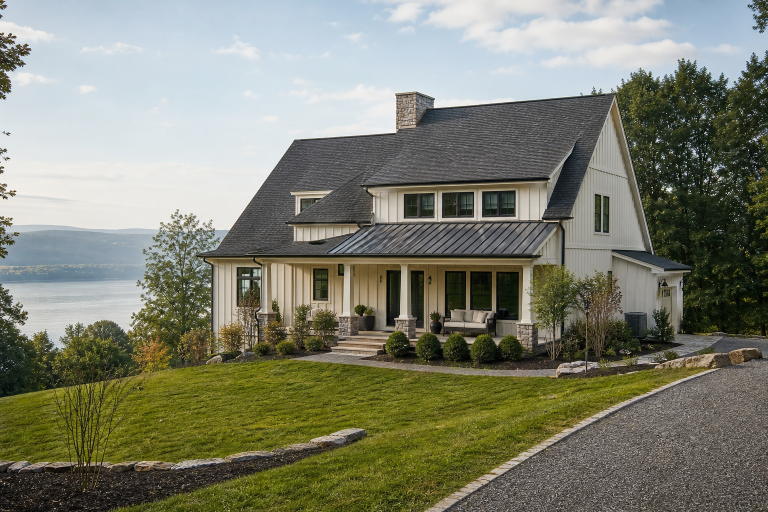
Image credit: buying home near the Hudson river by envato.com
end of post … please share it!

| more photo remodeling |
Jump Over to Our Photo Analysis Center for Ideas on
"Renovating Home"
|__________________________________________________________|
home remodeling surprise
find out where it might go - new win


Helpful article? Leave us a quick comment below.
And please share this article within your social networks.