Quick Answer:
Most homes have blind spots when it comes to cleaning—literally. Ceiling fans, window blinds, shower glass, dryer vents, and tight corners are routinely skipped because standard tools can’t reach them effectively. Five specialized cleaning tools address each of these problem areas, making maintenance safer, faster, and far more thorough.
These frustrations are not signs of poor cleaning habits—they are signs of using the wrong tools for the job.
Specialized cleaning tools exist precisely because the average household has surfaces and spaces that standard mops, sponges, and sprays were never designed to handle. The right tool does not just make cleaning easier; it makes it more effective, more consistent, and in some cases, meaningfully safer.
What follows is a practical guide to five tools that earn their place in every cleaning supply kit—and why they matter more than most homeowners realize.
- post content
- Why Standard Tools Fall Short
- Extension Duster for Ceiling Fans
- Blind Cleaning Duster
- Hanging Squeegee for Shower Glass
- Dryer Vent Cleaner
- Other Specialized Tools Worth Having
- conclusion: The Right Tool, the Right Result
- FAQs
- view table:content summary
- view notes:collective tips
- view ideas:latest remodeling analysis
Why Standard Tools Fall Short
General-purpose cleaning tools are designed for flat, accessible surfaces. Floors, countertops, and exterior windows all respond well to broad, sweeping motions.
But the moment a surface is elevated, narrow, textured, or tucked into a hard-to-reach corner, that same approach creates more effort with less result. Dust gets pushed around rather than captured. Water spots get smeared instead of removed. Lint gets compacted rather than extracted.
Specialized tools solve each of these problems by matching their design to the specific demands of the task.

Extension Duster for Ceiling Fans
Ceiling fans are one of the most consistently neglected surfaces in the home. Because they circulate air, they also accumulate airborne dust at a rapid pace—and because they sit above eye level, that buildup often goes unnoticed until it becomes substantial.
When a fan blade carries a thick layer of dust, running the fan redistributes those particles through the air you breathe. Cleaning them monthly, or at minimum once per season, is a reasonable standard for most households.
An extension duster eliminates the need for a ladder or step stool by reaching ceiling-height blades from the floor. Models designed specifically for fans typically feature a flexible or angled head that wraps around each blade and captures dust rather than scattering it.
Microfiber construction is the most effective material for this purpose because the fibers generate a mild static charge that attracts and holds particles rather than displacing them.
For safe use, always switch the fan off completely and wait for the blades to stop before cleaning. Work in one consistent direction across each blade, and shake or launder the duster head afterward to prevent redistributing captured dust in another room.
[ view: sample images ]
[ amazon: extension dusters ]
Blind Cleaning Duster
Window blinds present a deceptively demanding cleaning challenge. Each horizontal slat is a separate surface, and the gaps between them are narrow enough to defeat most general cleaning tools.
A damp cloth run across the top of the blinds cleans only the uppermost surfaces while leaving the sides and undersides untouched. Over time, that neglected dust contributes to indoor air quality issues and dulls the appearance of the entire window treatment.
Blind cleaning dusters are designed with multiple parallel fingers or tongs that slide between slats and clean several at once. Microfiber versions are particularly effective, as they capture dust rather than pushing it onto furniture or flooring.
For light maintenance, a dry pass is sufficient. For heavier buildup—particularly on blinds near cooking areas or in high-traffic rooms—a slightly dampened duster picks up what dry cleaning cannot.
Consistent use of a blind duster, even on a biweekly basis, keeps slats looking well-maintained and reduces the volume of dust circulating through the room. Clean blinds also allow more light to pass through clearly, which has a noticeable effect on how bright and fresh a room feels.
[ view: sample images ]
[ amazon: blind cleaning duster ]
Hanging Squeegee for Shower Glass
Shower doors and glass panels face a relentless cycle of exposure. Every shower deposits water onto the glass surface, and as that water evaporates, it leaves behind dissolved minerals—primarily calcium and magnesium—that accumulate into a white, hazy film.
Bar soap compounds the problem by producing soap scum when its fatty acids bond with those same minerals, according to Twin City Glass Design (2026). The result is a buildup that becomes increasingly difficult to remove the longer it is left untreated.
A squeegee used after every shower removes the majority of water from the glass before mineral deposits have a chance to form. This single habit—taking 20 to 30 seconds after each shower to squeegee the glass from top to bottom—dramatically reduces the frequency of deep cleaning required.
A hanging squeegee mounted inside the shower enclosure keeps the tool accessible and removes any barrier to making it a consistent routine.
For glass that already shows mineral buildup, a 50/50 solution of white vinegar and water applied with a soft cloth dissolves light deposits without scratching the surface.
For heavier soap scum accumulation, a paste of baking soda and a small amount of dish soap, applied with a non-abrasive sponge and left for several minutes before rinsing, works effectively.
Applying a hydrophobic glass coating or rain-repellent product every three to six months adds a protective barrier that causes water to bead and roll off rather than spread and evaporate across the surface.
[ view: sample images ]
[ amazon: hanging squeegee for shower ]
Dryer Vent Cleaner
Of all the tools on this list, a dryer vent cleaner carries the most serious safety implications. According to the National Fire Protection Association, dryers are responsible for approximately 13,820 residential fires annually in the United States, and the leading cause—accounting for 32% of those incidents—is failure to adequately clean the dryer (ConsumerAffairs, citing NFPA data).
Lint, dust, and fiber are the materials most likely to ignite first. Cleaning the lint trap after every load is essential, but it addresses only a fraction of the buildup. Lint also accumulates inside the vent line itself, and that is where the risk concentrates.
Dryer vent cleaning kits typically include a flexible brush with extendable rod sections that thread through the full length of the vent.
Disconnect the dryer from the wall, detach the vent hose, and work the brush through from the interior opening to the exterior hood, rotating it as you advance. Clear the exterior vent cover of any accumulated debris as well.
Most homes benefit from professional or thorough DIY vent cleaning every six to twelve months, according to Beacon Services & Appliances (2025). Households with large families, frequent laundry loads, or long vent runs may need to clean closer to the six-month interval.
Warning signs that cleaning is overdue include clothes taking longer than normal to dry, the dryer running unusually hot to the touch, a faint burning smell during operation, or weak airflow at the exterior vent hood.
A clean vent restores efficiency, reduces energy consumption, and—most critically—removes a documented fire hazard from the home.
[ view: sample images ]
[ amazon: dryer vent cleaner kit ]
Other Specialized Tools Worth Having
Beyond the four essentials covered above, a few additional tools can make a meaningful difference when it comes to tackling those stubborn, hard-to-reach surfaces that standard equipment simply can’t address.
Think of these as the finishing touches to a well-rounded cleaning kit — the tools you’ll be glad you have when the usual suspects fall short. Here’s our 5th recommendation (or set of recommendations) to help you cover all your bases.
-
Microfiber Cloths
Microfiber cloths deserve a place in every room. Unlike cotton or paper towels, microfiber lifts and holds particles at the microscopic level rather than pushing them around, making it the material of choice for streak-free glass, stainless steel, and countertop surfaces.
Washing and reusing them hundreds of times also makes them the more sustainable and economical option.
-
Grout Brushes
Grout brushes address one of the most tedious maintenance tasks in kitchens and bathrooms. The compact heads and dense, firm bristles of a dedicated grout brush are sized specifically to fit inside grout lines, loosening mineral deposits and mildew that flat sponges cannot reach.
Used with a mild cleaning solution or a baking soda paste, a grout brush restores tile lines without the need for harsh bleach products.
-
Crevice Cleaning Tools
Crevice cleaning tools—slim, flexible brushes designed for baseboards, door frames, and tight corners—catch the fine dust that accumulates in spaces a standard mop or vacuum cannot access.
These overlooked areas can become reservoirs for allergens over time. A quick pass with a crevice brush during regular cleaning prevents that buildup from ever becoming a problem.
[ amazon: microfiber cleaning cloth ]
[ amazon: grout brush ]
[ amazon: crevice cleaning tools ]
The Right Tool, the Right Result
Cleaning is rarely about effort alone. The approach—and the equipment behind it—determines how thoroughly a task gets done and how long the results hold. An extension duster captures fan dust rather than scattering it.
A blind duster cleans all slat surfaces simultaneously. A hanging squeegee prevents shower glass buildup from forming in the first place. A vent cleaner removes a hazard that a lint trap alone cannot address. Microfiber cloths, grout brushes, and crevice tools handle the surfaces that generalist tools overlook.
Investing in these tools is less about spending more on cleaning and more about cleaning smarter. The right equipment protects surfaces, extends the life of appliances, improves indoor air quality, and reduces the time and energy spent on tasks that otherwise require repeated effort to produce diminishing results.
A well-maintained home is not the result of cleaning harder—it is the result of cleaning with the right tools for the job.
Frequently Asked Questions
-
How often should I clean my ceiling fan?
Most cleaning professionals recommend dusting ceiling fan blades every one to two months for routine maintenance, with a more thorough cleaning at each change of season. Homes in dustier environments or those where fans run daily may benefit from more frequent attention.
-
What is the best way to clean window blinds without damaging them?
A dry microfiber blind duster is the safest starting point for most blind materials, including wood, faux wood, and fabric. For heavier buildup on vinyl or aluminum blinds, a lightly dampened duster works well. Avoid harsh chemicals, particularly on wood or painted surfaces.
-
Does squeegeeing a shower door really make a difference?
Yes—significantly. According to Twin City Glass Design (2026), squeegeeing after every shower removes the majority of water before minerals have a chance to evaporate and deposit on the glass. This one habit reduces the frequency of deep cleaning required and prevents the etching that long-term mineral buildup can cause.
-
How do I know if my dryer vent needs cleaning?
Key warning signs include clothes taking longer than usual to dry, the dryer exterior feeling unusually hot during operation, a faint burning or lint smell, and weak airflow at the exterior vent hood. Beacon Services & Appliances (2025) recommends professional or thorough DIY cleaning every six to twelve months as a preventive standard.
-
Are microfiber cloths actually better than regular cloths?
For most household surfaces, yes. Microfiber construction creates a fine weave that captures particles, bacteria, and oil-based residue rather than redistributing them. On glass and stainless steel in particular, microfiber outperforms cotton and paper alternatives by leaving surfaces streak-free and lint-free.
-
Can I use a standard vacuum to clean my dryer vent?
A household vacuum can clear lint near the dryer opening, but it cannot reach deep into the vent line. A dedicated dryer vent cleaning kit with flexible, extendable brush rods is necessary to clear the full length of the duct, including any elbows or turns in the line.
home improvement ideas to consider (complete directory – new win):


| Specialized Cleaning Tool | Purpose | Features | Why It Matters |
|---|---|---|---|
| Extension Duster for Ceiling Fans | Used to clean ceiling fan blades and remove dust buildup efficiently. | Flexible or angled head; microfiber construction; eliminates need for ladders. | Captures dust without scattering it, improving indoor air quality and preventing redistribution through fan operation. |
| Blind Cleaning Duster | Designed to clean window blinds by addressing all surfaces of each slat. | Multiple parallel fingers; microfiber material; cleans dry or slightly dampened. | Improves appearance, reduces indoor dust, and allows more light to pass through while enhancing overall room brightness. |
| Hanging Squeegee for Shower Glass | Prevents mineral deposits and soap scum buildup on shower glass surfaces. | Easy-to-mount; requires minimal daily effort; compatible with DIY cleaning solutions. | Reduces need for heavy scrubbing, keeps glass clear, and decreases maintenance time while preventing permanent damage. |
| Dryer Vent Cleaner | Removes lint and debris buildup from dryer vents to prevent fire hazards. | Extendable flexible brush; suitable for DIY and professional cleaning. | Reduces fire risks, restores dryer efficiency, and lowers energy consumption by maintaining proper airflow. |
| Microfiber Cloths | Effective on a variety of surfaces for lint-free and streak-free cleaning. | Fine fibers trap particles and bacteria; versatile and reusable. | Improves cleaning results across multiple surfaces, replacing less effective materials like cotton rags or paper towels. |
| Grout Brush | Specifically designed to clean between tiles and address grout lines. | Narrow, stiff-bristled head for concentrated scrubbing. | Prevents mold and mildew buildup while extending the lifespan of grout in tiled areas. |
| Crevice Tools | Reaches narrow spaces and hard-to-clean corners. | Vacuum attachments or standalone brushes; flexible design. | Keeps baseboards, corners, and appliance edges clean for thorough home maintenance. |

Find Home Cleaning Services Home Cleaning Carpet-Drapes Property Clean-Up Windows top-rated, pre-screened local contractors FREE: download contractor selection enter zip code – powered by HomeAdvisor ™


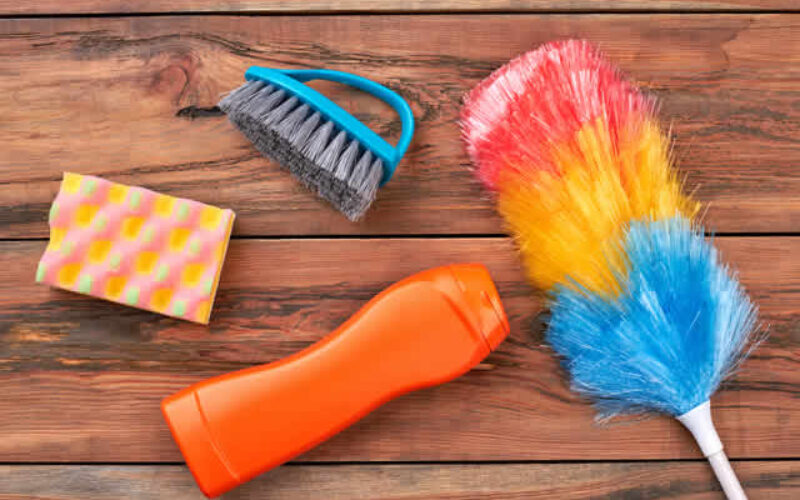
Image credit: specialized cleaning tools by envato.com
end of post … please share it!
| more photo remodeling |
Jump Over to Our Photo Analysis Center for Ideas on
"Renovating Home"
|__________________________________________________________|
home remodeling surprise
find out where it might go - new win


Helpful article? Leave us a quick comment below.
And please share this article within your social networks.