Multi-family developments require careful planning, substantial capital, and knowledge of both residential construction and investment property management.
This comprehensive guide explores the critical aspects you need to consider when embarking on a multi-family construction project, from initial planning through final occupancy.
By understanding these key elements, you’ll be better prepared to navigate the challenges and capitalize on the opportunities that multi-family development presents.
Understanding Zoning Regulations and Property Requirements
Before purchasing land or drafting architectural plans, thorough research into local zoning regulations is absolutely critical for any multi-family construction project. Zoning laws dictate what types of structures can be built in specific areas, including density requirements, building heights, setback distances, and parking provisions.
Many municipalities have specific zones designated for multi-family residential development, while others may require special use permits or variances to construct these properties. You’ll need to verify that your intended property allows for the number of units you plan to build and meets all minimum lot size requirements.
Securing Financing and Budget Planning
Financing a multi-family construction project typically requires more substantial capital and more complex loan structures than single-family home construction.
Most lenders view multi-family developments as commercial projects, which means you’ll likely need a construction-to-permanent loan or a separate construction loan followed by traditional commercial financing.
Expect to provide a down payment ranging from twenty to thirty percent of the total project cost, along with detailed financial projections demonstrating the property’s income potential.
Your budget must account for land acquisition, architectural and engineering fees, permits and impact fees, construction costs, contingency reserves, and carrying costs during the construction period.
Designing for Functionality and Market Appeal
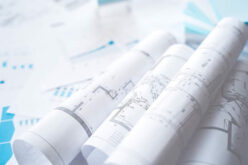
Architectural design plays a crucial role in both the construction efficiency and long-term success of your multi-family property. Your design should balance cost-effective construction methods with features that appeal to your target tenant demographic and maximize rental income potential.
Consider incorporating energy-efficient systems, durable materials that reduce maintenance costs, and layouts that optimize usable square footage while minimizing wasted space.
Unit mix is another critical consideration, research your local rental market to determine the ideal ratio of studio, one-bedroom, two-bedroom, and three-bedroom units.
Navigating the Construction Process
The actual construction phase of a multi-family project involves coordinating numerous trades, managing complex timelines, and ensuring quality control across all aspects of the build.
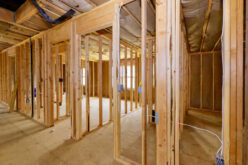
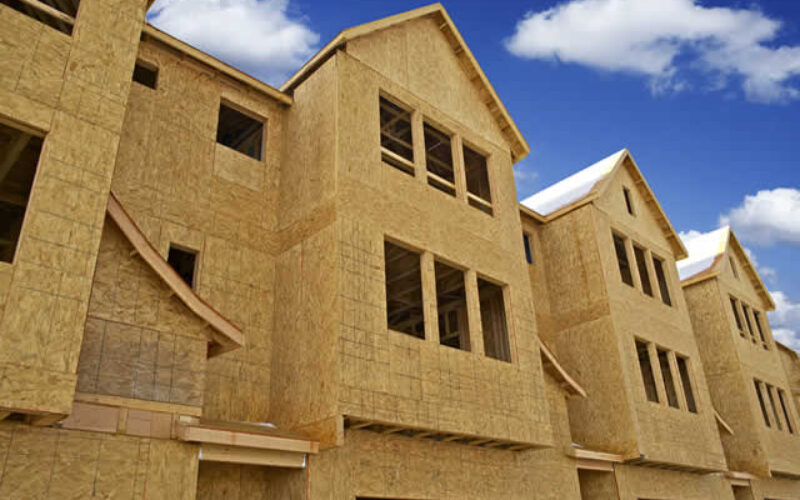
Selecting an experienced general contractor with a proven track record in multifamily construction is essential for keeping your project on schedule and within budget. The construction sequence typically begins with site preparation, foundation work, and utility connections, followed by framing, exterior envelope, and roofing.
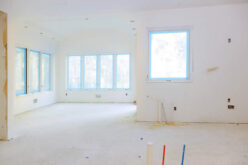
Interior work proceeds with mechanical, electrical, and plumbing rough-ins, followed by insulation, drywall, and finish work. Construction timelines for multi-family projects can range from eight months for a small duplex to eighteen months or more for larger apartment complexes.
Regular site inspections, maintaining open communication with your contractor, and staying involved in decision-making processes help ensure the project progresses smoothly.
Building codes for multi-family properties are typically more stringent than single-family requirements, particularly regarding fire safety, accessibility, and structural standards, so plan for multiple inspection points throughout the construction process.
Expect the unexpected, because construction projects rarely go exactly according to plan, and having contingency reserves isn’t just smart planning, it’s essential.
Property Management and Operational Considerations
Even during the construction phase, successful developers begin planning for the operational aspects of their multi-family property. Deciding whether to self-manage or hire a professional property management company significantly impacts your long-term involvement and investment returns.
Property management responsibilities include tenant screening and placement, rent collection, maintenance coordination, financial reporting, and ensuring compliance with landlord-tenant laws.
Marketing your units before construction completion allows you to secure tenants quickly and minimize vacancy periods after receiving your certificate of occupancy.
Conclusion
While the challenges are significant, the potential for generating consistent rental income, building equity, and creating lasting wealth makes multi-family development an attractive option for serious real estate investors.
By understanding these fundamental aspects and surrounding yourself with experienced professionals, you can navigate the complexities of multi-family construction and create a valuable asset that serves both your financial goals and your community’s housing needs.
other related analysis of interest: (new win)

Find Home Construction Services Additions Home Construction Major Remodels Site Preparation top-rated, pre-screened local contractors FREE: download contractor selection enter zip code – powered by HomeAdvisor ™

Image credit: building a multi-family home by envato.com
end of post … please share it!
| more photo remodeling |
Jump Over to Our Photo Analysis Center for Ideas on
"Renovating Home"
|__________________________________________________________|
home remodeling surprise
find out where it might go - new win


Helpful article? Leave us a quick comment below.
And please share this article within your social networks.