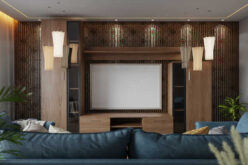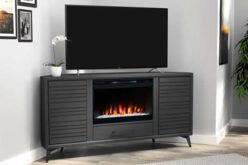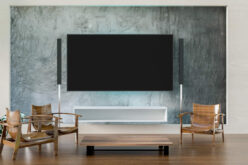
For decades, the television has been the focal point of the modern home, often dictating the layout of our furniture and disrupting the aesthetic flow of a room.
We love the entertainment they provide, but we often struggle with the visual clutter they create when turned off. This common design dilemma has sparked a revolutionary trend in home technology known as the disappearing TV.
This new wave of innovation is not just about making screens thinner or higher resolution; it is about rethinking the very presence of the television in our living spaces. Disappearing TV technology encompasses a range of solutions designed to make the screen vanish when it is not in use.
From screens that roll down into a compact box to displays that become transparent glass, these advancements allow homeowners to reclaim their walls and design their spaces without the imposing presence of a dormant electronic device. It represents a harmonious coexistence between high-end technology and serene interior design.
The appeal here is twofold: aesthetics and space-saving. For design enthusiasts, the ability to remove the "black hole" effect of a turned-off screen opens up endless possibilities for gallery walls, window placements, and furniture arrangements.
For those living in smaller urban apartments or multi-purpose rooms, reclaiming that visual and physical space can make a room feel significantly larger and more inviting.
As we explore the various types of disappearing TVs, we will help you decide if this seamless integration of tech and decor is the right step for your home sanctuary.
- post content
- types of disappearing TVs
- advantages of disappearing TVs
- disadvantages of disappearing TV
- Factors To Consider Before Purchasing
- Installation And Maintenance
- examples of disappearing TVs in home decor
- future trends in disappearing TV technology
- conclusion
- view table:content summary
- view notes:collective tips
- view ideas:latest remodeling analysis
- view post (new win):protecting home assets and valuables
Types Of Disappearing TVs
For decades, the television has been the focal point of the modern home, often dictating the layout of our furniture and disrupting the aesthetic flow of a room.
The market for concealed entertainment systems has expanded rapidly, moving beyond simple cabinet doors to truly futuristic technology. At the forefront of this movement are rollable TVs, a concept that once seemed like science fiction but is now a reality.
Leading this charge is the LG Signature OLED R. This groundbreaking device features a razor-thin screen that physically rolls up from a sleek, low-profile base unit.
When you want to watch a movie, the screen rises smoothly; when you are finished, it retracts completely, leaving behind only a stylish speaker unit that doubles as a piece of sculptural furniture. This mechanism allows the view behind the TV—perhaps a window or a piece of art—to remain unobstructed.

Another fascinating development is the advent of transparent TVs, with Samsung’s MicroLED technology pushing the boundaries of what is possible. These displays look like clear glass when inactive, allowing you to see through them to the wall or decor behind.
This transparency eliminates the stark contrast of a black screen against a light wall, effectively making the TV invisible in plain sight. When the device is powered on, the pixels illuminate to produce a vibrant, high-contrast image.
This technology is particularly exciting for open-concept homes where a TV might sit in the middle of a room or in front of shelving, as it maintains the visual flow of the space without creating a barrier.
For those who prefer a more architectural approach rather than a specific new display technology, motorized lift TVs offer a customizable solution. These systems utilize robust mechanical lifts to conceal a standard flat-screen TV within furniture, ceilings, or even the floor.
A "pop-up" lift can hide a television inside a custom cabinet at the foot of a bed, rising only when it is movie time. Conversely, ceiling lifts can lower a screen from a recessed compartment overhead.
This method is incredibly versatile because it allows homeowners to use their preferred TV brand and size while still achieving the minimalist aesthetic of a disappearing screen.

Advantages Of Disappearing TVs
The most immediate and impactful benefit of investing in a disappearing TV is the profound elevation of aesthetic appeal and design integration. Traditional televisions, no matter how sleek, essentially act as permanent fixtures that demand attention.
By removing this fixed element, you gain the freedom to design a room around conversation, relaxation, and beauty rather than screen viewing.
Your fireplace mantle can remain a display for family heirlooms rather than a stand for electronics, and your living room can focus on a beautiful view outdoors rather than a digital window. It restores a sense of balance and tranquility to the home environment.
Beyond the visual benefits, there are practical space-saving advantages to consider. In multi-functional spaces, such as a studio apartment or a home office that doubles as a guest room, wall space is premium real estate.
A rollable or ceiling-mounted TV frees up that vertical space for shelving, art, or even nothing at all, contributing to a sense of openness. This is particularly valuable in modern, minimalist homes where clutter is the enemy.
By eliminating the need for large, permanent entertainment centers or bulky wall mounts, the room breathes easier and functions more flexibility for the changing needs of your family.
Furthermore, integrating such advanced technology can enhance home value and offer a sense of luxury. Smart home features are increasingly desirable to potential buyers who view them as indicators of a modern, updated property.
A motorized lift system or a cutting-edge transparent display acts as a "wow" factor, setting a home apart in the real estate market. It signals that the home has been thoughtfully designed with both lifestyle and technology in mind.
For the current homeowner, it simply provides a daily touch of luxury—the magic of transforming a space with the touch of a button is a convenience that feels truly special.
Disadvantages Of Disappearing TVs
While the concept is enticing, it is important to approach this investment with a clear understanding of the potential drawbacks, the most significant of which is the high cost. Technologies like the LG Signature OLED R or advanced MicroLED transparent displays carry price tags that are exponentially higher than standard premium televisions.
Even motorized lift systems involve significant costs, not just for the lift mechanism itself, but for the custom cabinetry or contractor work required to install it properly.
For many households, this financial barrier places true "disappearing" technology out of reach or relegates it to a long-term luxury goal rather than an immediate purchase.
Technological limitations and durability concerns also play a role in the decision-making process. Mechanisms that move—such as the rolling screen or the gears in a motorized lift—introduce mechanical parts that can wear out or fail over time.
Unlike a static TV mounted on a wall, a rollable TV has a motor and flexible panel that must endure repeated stress. If the motor fails, you may be left with a TV stuck in the housing or, worse, halfway up.
Additionally, while transparent OLED and MicroLED technologies are stunning, they are still maturing. Issues with brightness levels in sunlit rooms or the depth of black levels compared to traditional standard flagship TVs can sometimes be a trade-off for the aesthetic invisibility.
Installation complexities cannot be overstated when discussing these systems. A standard TV requires a mount, a few screws, and a power outlet. A disappearing TV, particularly ceiling lifts or in-cabinet systems, often requires professional intervention.
You might need an electrician to reroute power, a carpenter to build or modify furniture, and an AV specialist to calibrate the lift and integrate it with your smart home system.
This makes the process less of a quick purchase and more of a home renovation project. It requires planning, patience, and a willingness to undergo some disruption to your living space to achieve the desired result.
more info below about TVs
The New Age of TVs Shaping Home Entertainment
The world of televisions has evolved dramatically, ushering in a new age of advanced technology and unparalleled viewing experiences. With options like OLED, QLED, 4K, and even 8K resolutions, choosing the right TV can feel overwhelming.
Gaming and Work Monitors
Factors To Consider Before Purchasing
Before you commit to transforming your entertainment space, budget and financial planning must be your first step. It is crucial to look beyond the sticker price of the TV itself. You must factor in the costs of custom joinery, professional installation, and potentially upgrading your electrical infrastructure.
Ask yourself if the aesthetic gain is worth the premium price compared to a high-quality standard TV that mimics art, such as the Samsung Frame. Determine a realistic budget that includes a contingency for unexpected installation hurdles, ensuring that the project remains a joy rather than a financial stressor.
Room layout and design compatibility are the next critical filters. Not every room can accommodate a ceiling lift due to joist placement or ductwork, and not every floor plan suits a rollable TV base.
You need to assess the structural elements of your home. For a pop-up cabinet lift, do you have the floor space for the cabinet itself? For a transparent TV, is the background visually pleasing enough to see through, or is it just a messy bundle of cables?
Understanding the physical constraints and opportunities of your specific room will guide you toward the right type of disappearing technology, preventing you from purchasing a system that ultimately conflicts with your home’s architecture.
Finally, consider your technological requirements and long-term maintenance. If you are a cinephile who demands the absolute peak of brightness and contrast for HDR movies, ensure that the transparent or rollable options meet your performance standards, as some novelty form factors may lag slightly behind standard flagship performance specs.
Think about longevity as well. If you opt for a motorized cabinet, is the mechanism accessible for repairs if it jams? Are you comfortable with a system that requires more care and potential servicing than a standard plug-and-play device?
Balancing your desire for high-tech performance with the reality of long-term ownership is key to satisfaction.
Installation And Maintenance
Given the complexity of these systems, professional installation requirements are the norm rather than the exception. Attempting to install a heavy motorized ceiling lift or setting up a delicate rollable display without expert help can lead to damage to the equipment or your home.
We strongly recommend hiring certified AV installers who have experience with automated systems. They can ensure that the lifts are securely anchored, the motors are calibrated for smooth operation, and the cabling is managed safely to prevent wear and tear during movement.
This expertise ensures safety and peace of mind, allowing you to enjoy the final product without worrying about stability.
Maintenance tips vary depending on the type of disappearing TV you choose. For rollable screens, it is vital to keep the path of the screen clear of dust and debris that could scratch the panel as it retracts.
Regular, gentle dusting with a microfiber cloth is essential. For motorized lifts, listening for changes in the sound of the motor is a good proactive measure; a grinding noise usually indicates a need for lubrication or service.
Transparent displays should be cleaned with specific screen-safe solutions to maintain their clarity without damaging the specialized coatings. Treating these devices with the same care you would give to fine furniture or high-end appliances will extend their lifespan significantly.
Warranty and support considerations are your safety net. Because these units involve moving parts and cutting-edge display technology, standard one-year warranties may not provide sufficient comfort. When purchasing, look for extended warranty options that cover both the screen and the mechanical components.
Check if the manufacturer offers on-site service, as shipping a heavy, integrated lift system or a delicate rollable TV for repairs is often impractical.
Understanding the support landscape before you buy ensures that if something goes wrong, you have a clear path to resolution that does not involve dismantling your living room on your own.
Examples Of Disappearing TVs In Home Decor
In living rooms, the seamless integration of disappearing TVs allows for a return to conversation-centric design. Imagine a beautifully crafted sideboard that sits beneath a piece of abstract art. With a press of a button, the art remains, but a screen rises from the back of the sideboard for movie night.
This setup preserves the sophistication of the room during the day, allowing the furniture and decor to take center stage. It is particularly effective in formal sitting rooms where a large black screen would feel out of place against soft textures and curated antiques.
Bedrooms are another sanctuary where disappearing technology shines by creating a minimalist, clutter-free environment. Sleep experts often recommend removing electronics from the bedroom to promote rest, but many of us enjoy a late-night show.
A ceiling-mounted drop-down TV offers the perfect compromise. The screen is completely hidden during the day and while you sleep, maintaining the peaceful, retreat-like atmosphere of the bedroom. When you are ready to watch, it descends silently.
This keeps surfaces like dressers clear for personal items, reducing visual noise and promoting a sense of calm essential for a good night’s sleep.
For the ultimate entertainment enthusiasts, home theaters can maximize space and aesthetics through these innovations. In a multi-purpose media room, a transparent screen could be positioned in front of a display of movie memorabilia.
When off, the collection is visible through the glass; when on, the movie takes over. Alternatively, a large projection screen that retracts into the ceiling allows the room to function as a play area, a library, or a listening room when the projector is off.
This flexibility allows one room to serve multiple passions without one function dominating the others.
another interesting viewpoint

10 Home Additions That Make Hosting Even More Fun
Home additions can significantly enhance your hosting experience, bringing a new level of fun and excitement to your gatherings.
Future Trends In Disappearing TV Technology
The horizon of home entertainment is bright, with advancements in display technology continuing to blur the line between digital and physical. We are moving toward even thinner, more flexible OLED panels that could potentially roll up like a poster or fold away into incredibly small housings.
Research is also being conducted into "chameleon" modes where screens mimic the texture and color of the wall behind them with near-perfect accuracy, achieving the disappearing effect without moving parts.
As these technologies mature, the visual quality will continue to improve, eventually making the trade-off between aesthetics and performance a thing of the past.
Integration with smart home systems is becoming tighter and more intuitive. Future disappearing TVs will likely communicate seamlessly with lighting, blinds, and sound systems.
Imagine a voice command that not only raises the TV from its cabinet but also simultaneously dims the lights, lowers the shades, and adjusts the thermostat for cozy viewing. This level of holistic automation transforms the TV from a standalone device into an integrated part of the home’s ecosystem, responding to your lifestyle needs dynamically.
Perhaps the most eagerly anticipated trend is the potential for increased affordability. As with all new technologies, early adoption comes at a premium. However, as manufacturing processes for rollable and micro-LED panels become more efficient and widespread, costs will inevitably decrease.
We can expect to see mid-range options entering the market, making the concept of the disappearing TV accessible to a broader demographic of homeowners. This democratization of design-forward technology means that more people will soon be able to enjoy the benefits of a clutter-free, adaptable living space.
Conclusion: Making The Right Choice


Deciding to bring a disappearing TV into your home is a balance of passion for design and practical considerations. We have explored how these devices offer unparalleled aesthetic freedom, allowing you to reclaim your walls and enjoy a more versatile living environment.
The ability to hide the technology when it is not serving you creates a sense of peace and order that is hard to achieve with standard screens.
However, we have also acknowledged the significant investment required, both financially and in terms of installation complexity, as well as the need to carefully consider maintenance and durability.
Ultimately, whether a disappearing TV is right for you depends on what you value most in your sanctuary. If you crave a home that feels like a curated gallery, where technology serves you without dominating your view, and you have the budget to support that vision, then these innovative systems are a fantastic choice.
They represent the future of how we live with technology—quietly, elegantly, and on our own terms. We invite you to assess your space, consult with professionals, and imagine the possibilities of a room where the screen is there when you want it, and gone when you don’t.
other related analysis of interest: (new win)
2026 Kitchen Trends: Designing a Calm, High-Tech Sanctuary for Your Home
A Complete Guide to Protecting Your Assets and Valuables at Home
Resource Citations:
| Type of Disappearing TV | Description | Key Features |
|---|---|---|
| Rollable TV | A screen that rolls into a base unit when not in use, such as the LG Signature OLED R. | Compact design, smooth motorized mechanism, unobstructed view when retracted. |
| Transparent TV | Displays that appear as clear glass when inactive, maintaining the flow of the room. | Transparency when turned off, high-quality vibrant image when on, open-concept design compatibility. |
| Motorized Lift TV | Standard TVs concealed within furniture, ceilings, or floors via lift mechanisms. | Customizable placement, compatibility with existing TVs, versatile for various room layouts. |

Find Home Network Services Networks/Phone Computers/ Media Home Automation Electrial Wiring Interior Designers Furniture top-rated, pre-screened local contractors FREE: download contractor selection enter zip code – powered by HomeAdvisor ™


Image credit: disappearing TV by envato.com
end of post … please share it!
| more photo remodeling |
Jump Over to Our Photo Analysis Center for Ideas on
"Renovating Home"
|__________________________________________________________|
home remodeling surprise
find out where it might go - new win


Helpful article? Leave us a quick comment below.
And please share this article within your social networks.