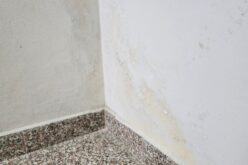

Many people think mold is a warm-weather problem, but it can grow year-round. Winter can often create the perfect conditions for mold to thrive in your home, even when it’s cold outside. Here are some reasons why mold thrives during the winter months and what to watch out for.
Why Winter Creates Mold Problems
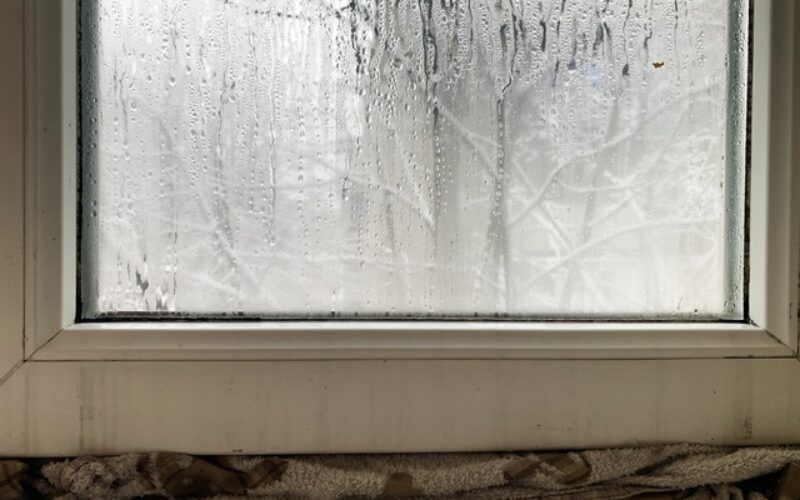
Cold air outside meets warm air inside, creating condensation. Water droplets form on windows, walls, and other cool surfaces throughout your home. Poor ventilation makes things worse because moisture gets trapped indoors with nowhere to go.
Homes get sealed up tight during winter to keep heating costs down. This lack of airflow means humidity builds up from everyday activities like cooking, showering, and even breathing. When that moisture settles on cold surfaces, mold finds an opportunity to grow.
Mold exposure can trigger allergies and respiratory issues. Common symptoms include sneezing, coughing, and watery eyes that seem to linger throughout winter. People with asthma or compromised immune systems face greater risks from mold exposure.
Where Mold Likes to Hide
Bathrooms are prime targets because they combine moisture and warmth regularly. Check around your shower, tub, and under the sink for any signs of mold growth. Don’t forget to look at the grout between tiles where water tends to collect.
Windowsills and frames collect condensation throughout winter months. You might notice water pooling on these surfaces, especially in the morning. Basements and attics also provide the cool, damp conditions that mold loves, particularly if they have poor insulation or ventilation.
Even outdoors, mold spores can lay dormant in the natural holes and crevices of surfaces like stone and organic material. This is why it’s important to treat your backyard surfaces with mold preventers before the winter season.
Simple Prevention Tips
Use a dehumidifier to keep indoor humidity levels between 30-50%. This simple step removes excess moisture from the air before it can settle on surfaces. Empty the water reservoir regularly to keep your dehumidifier running efficiently.
Improve ventilation by running exhaust fans during and after showers. Open windows for a few minutes each day (weather permitting) to let fresh air circulate. Fix leaky pipes, faucets, or roof damage immediately because even small leaks create ideal conditions for mold growth.
Wipe down condensation from windows and other surfaces each morning. This quick daily habit prevents moisture from sitting long enough for mold to develop. Insulate cold surfaces like pipes and walls to reduce condensation formation.
When to Call the Professionals
Sometimes mold problems exceed what you can handle with DIY methods. Large patches of mold covering more than ten square feet need professional attention. Hidden mold behind walls or under flooring also requires expert assessment and removal.
Professional mold removal experts have specialized equipment to find and eliminate mold safely. They can identify the moisture source causing your mold problem and recommend solutions. Don’t hesitate to get help if you’re dealing with persistent mold issues or health symptoms that won’t go away.
Stay Ahead of Winter Mold
Now that you know mold can also thrive during winter months, you know to keep a close watch on these problem areas. Winter mold prevention protects both your home and your health. Regular monitoring and quick action when you spot moisture buildup make all the difference. Stay vigilant throughout the cold months, and you’ll keep your home mold-free until spring arrives.
Image Credentials: By djjeep_design], 1062437630
|__________________________________________________________|
home remodeling surprise
find out where it might go - new win


Helpful article? Leave us a quick comment below.
And please share this article within your social networks.