Yet, the real story of shed ownership goes much deeper than the tag you see at your local hardware store or online showroom.
To protect your wallet and your long-term satisfaction, it’s wise to take a step back and consider every cost — seen and unseen — tied to owning and maintaining a garden shed.
- post content
- Understanding the Upfront Investment
- Factoring In “Hidden” Costs
- Long-Term Costs: Think Beyond Year One
- Enhancements, Customizations, and “Nice-to-Have” Features
- Ongoing Ownership: Protecting Your Investment
- Things to Consider
- view key:collective notes
- view ideas:latest remodeling analysis
Understanding the Upfront Investment
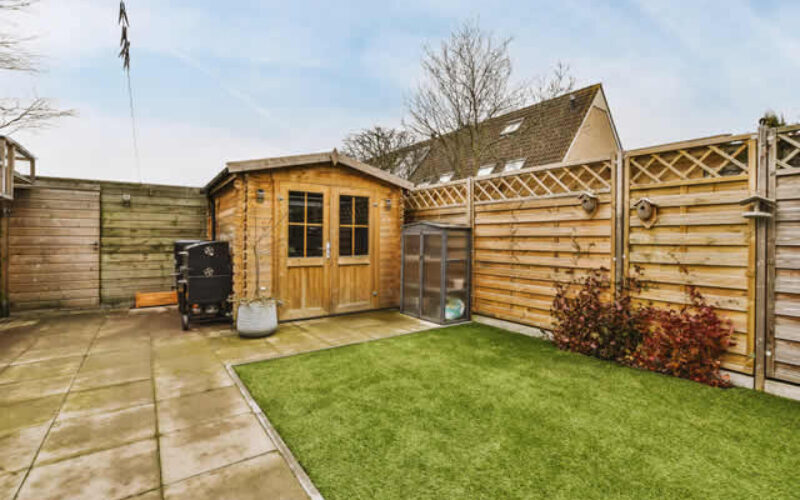
The price of a shed varies dramatically depending on its size, materials, and design. Pre-built, off-the-shelf models might start as low as $1,000 for basic storage, while high-end custom designs can reach $4,000 or more.
If your dreams run larger—think spacious workshop or “she-shed”—expect to double that figure for premium features and extra square footage. Custom sheds can run $17 to $24 per square foot, so measuring your storage needs accurately is crucial.

Factoring In “Hidden” Costs
Beyond the display price, several hidden expenses can surprise new shed owners:
- Delivery Fees:
Many companies charge for delivery, especially beyond a set range from their facility. Costs rise with distance and site accessibility. Some suppliers may offer free delivery within a limited radius, so ask before buying. - Site Preparation:
Before your shed arrives, the ground must be level, stable, and well-drained. Prep often includes clearing debris, leveling, and laying a foundation of gravel or concrete—sometimes costing several hundred dollars. - Installation:
Not all sheds come pre-assembled. Assembly on-site may be included, but sometimes this service costs extra. DIY assembly can cut costs but requires tools and time. - Permitting:
Local zoning laws may require permits for sheds over a certain size. The process could involve fees, paperwork, and even inspections. - Maintenance:
Wood sheds need regular staining or painting. Metal sheds might rust, and cheaper plastics can discolor. Each type comes with unique maintenance needs that translate to time and money spent throughout your shed’s lifespan.
Long-Term Costs: Think Beyond Year One
It’s easy to focus on getting your shed into the backyard, but long-term costs stack up. Wood sheds, for example, require ongoing care such as resealing wood, checking for pests, and replacing shingles.
Meanwhile, resin or vinyl sheds tend to have lower maintenance demands and might come with longer warranties. Investing more up front for durable construction, weather resistance, and a solid warranty can save you from hefty repairs down the road.
Enhancements, Customizations, and “Nice-to-Have” Features
Sheds are blank canvases waiting to be tailored for hobbies, secure tool storage, or even insulated backyard offices. But every customization adds to your upfront and long-term costs:
- Windows and Skylights:
These add light and improve comfort, but increase price and potential for maintenance. - Shelving and Workbenches:
Essential for organization, these extras can often be bundled, or you can add them later. - Electricity and Insulation:
Planning to use your shed all year or need power for tools? Running electricity and insulating the shed add complexity and cost—but make for a far more useful workspace. - Landscaping:
Adjusting pathways, adding steps, or creating a ramp boosts accessibility and curb appeal but requires extra investment.

Best Sheds – 8 To Choose For Your Backyard
One of the most important parts of your backyard or any yard is – storage shed. An important question when shed-hunting is what all options are out there and what do you need it for?
Ongoing Ownership: Protecting Your Investment
Here are a few smart strategies for managing the actual cost of shed ownership over time:
- “Must-Have” vs. “Nice-to-Have”:
Focus on the essentials for functionality first. Add extras as your budget allows. - Budget Buffer:
Allot 10–20% above your estimated cost for unexpected issues. - Warranty and Quality:
Opt for sheds with good warranties and reputations for quality. This safeguards your investment and reduces repair costs down the line.
Things to Consider
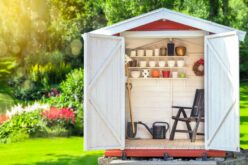
As you budget, it’s essential to remember the five things to consider when buying a garden shed: material (wood, resin, or metal), size (a little bigger than you think you’ll need is wise), core features for your needs (like doors, windows, or security measures), aesthetics to align with your home’s exterior, and the installation process (think foundation, assembly, and warranty).
Weaving these elements into your initial selection process lays the groundwork for satisfaction well beyond the first season.
Buying a shed is a long-term investment in your property’s function and value. By looking beyond the initial price and considering every associated cost — from site prep and installation to future repairs and useful upgrades — you’ll avoid costly surprises.
Careful planning ensures your new shed is a joy, not a drain, for years to come.
Find Outbuilding Services Gazebos Play Equipment Outbuildings Fences Porches Waterproofing Sheds Retaining Walls top-rated, pre-screened local contractors FREE: download contractor selection enter zip code – powered by HomeAdvisor ™


Image credit: cost of shed ownership by envato.com
end of post … please share it!
| more photo remodeling |
Jump Over to Our Photo Analysis Center for Ideas on
"Renovating Home"
|__________________________________________________________|
home remodeling surprise
find out where it might go - new win


Helpful article? Leave us a quick comment below.
And please share this article within your social networks.