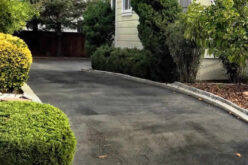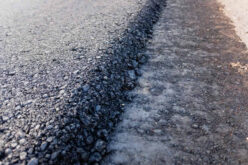
But cracks don’t have to be inevitable. Smart homeowners know that prevention beats repair every time, and a few strategic moves can keep cracks off your home’s beautiful driveway for a long time.
Lay the Initial Asphalt Properly
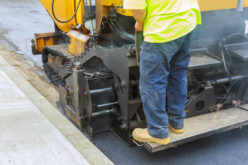
The foundation of crack prevention starts before you even see the finished surface. A key factor is understanding how thick an asphalt driveway should be. It must be at least two inches thick to handle normal vehicle weight without developing stress fractures. Thinner layers can’t properly distribute the load, leading to premature cracking.
Watch Out for Landscaping
Trees might look beautiful near your driveway, but their roots can destroy asphalt. As roots grow and expand, they push up from below and create pressure that cracks even well-installed driveways. Keep large trees at least 10 feet away from your driveway edges, and consider root barriers if you already have established trees nearby.
Smaller plants and shrubs also deserve attention. Their roots won’t cause major upheaval, but they can still create minor cracks that grow over time. Plan your landscaping with your driveway’s longevity in mind, not just immediate curb appeal.
Keep the Driveway Clean
Oil stains, antifreeze spills, and other automotive fluids don’t just look bad. They actually break down asphalt over time. Clean up spills immediately with dish soap and water, or use a commercial degreaser for stubborn stains.
Regular sweeping removes debris that can trap moisture and cause freeze-thaw damage. Salt and sand from winter weather need special attention because they accelerate the breakdown of asphalt surfaces. Rinse your driveway thoroughly when spring arrives to remove these corrosive materials.
Apply Sealant to the Surface
Sealcoating creates a protective barrier that keeps water, oil, and UV rays from penetrating your asphalt. Apply a high-quality sealant every two to three years, depending on your climate and traffic levels. Choose a day with mild temperatures and no rain in the forecast for at least 24 hours.
The sealant needs time to cure properly, so keep vehicles off the surface for the recommended drying period. This investment in protection pays dividends by keeping cracks off your home’s beautiful driveway.
Resolve Drainage Problems
Poor drainage causes more driveway problems than almost any other factor. Standing water seeps into tiny cracks and expands when it freezes, turning minor surface issues into major repairs. Install proper drainage solutions, such as French drains or channel drains, if water regularly collects on or near your driveway.
Your driveway won’t maintain itself, and small problems become expensive repairs when you ignore them. Start with a thorough inspection of your current surface, address any drainage issues immediately, and establish a regular maintenance schedule. The time you invest now saves you thousands in replacement costs down the road.
Image Credentials: pics721, 35231677
end of post … please share it!
|__________________________________________________________|
home remodeling surprise
find out where it might go - new win


Helpful article? Leave us a quick comment below.
And please share this article within your social networks.