Disposing of renovation waste properly ensures a clean environment, maintains safety, and complies with local regulations. Whether it’s debris, hazardous waste, or recyclables, this guide will show you how to properly dispose of home renovation waste.
Understanding the Types of Waste
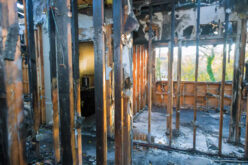
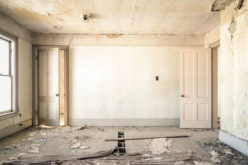
During any home renovation project, you’ll come across three primary types of waste. Construction debris includes materials like drywall, old tiles, and lumber. Then, there are recyclable materials, such as metal, cardboard, or certain plastics, which shouldn’t end up in a landfill. Finally, hazardous waste includes materials that are toxic, such as paint, solvents, or batteries, which require specialized disposal methods.
Why Responsible Disposal Matters
Being mindful of how you handle waste has several benefits. First, it protects the environment. Improperly discarding hazardous or non-biodegradable materials can significantly harm ecosystems and water supplies. Second, it enhances safety—not only for workers on-site but also for your community. Third, many cities have strict regulations regarding construction waste, so proper disposal methods prevent costly fines.
For example, a contractor renovating a commercial building separated hazardous paints and solvents from general debris, arranged for specialized pickup, and avoided a $5,000 fine after a surprise inspection, all while maintaining a safer job site.
Steps To Handle Construction Debris
Handling construction debris begins by separating reusable materials from actual waste. Many items, such as wood or bricks, can often be repurposed for other projects or donated to organizations like Habitat for Humanity. When dealing with multiple types of construction waste materials, knowing what can and cannot go to a landfill helps you stay compliant and eco-friendly.
Recycling Renovation Materials
Recycling your materials is easier than you think. Metal scraps, cardboard from packaging, and plastics from old fixtures are valuable resources that recycling centers will gladly accept.
Some regions even have specific drop-off points or free collection services for construction materials. Be sure to clean off all contaminants before dropping them off to ensure they’re recyclable.
Proper Disposal of Hazardous Waste
Hazardous waste, such as old paint cans, asbestos, or cleaning solutions, is a completely separate case. These cannot be disposed of with regular trash due to their toxic or flammable nature.
Check your local city’s hazardous waste disposal guidelines to find collection events or designated centers. For items like batteries or bulbs, many hardware stores accept them as part of their recycling programs.
Knowing how to properly dispose of waste doesn’t have to be stressful or overwhelming when you plan. Map out your project timeline and waste needs early. Sort your waste by type as you create it, and schedule regular pick-ups to keep your site clean and safe.
Taking these steps results in a smoother renovation experience and helps the environment and local community. For more tips and guidance, explore resources like Let’s Renovate, where expert advice meets practical solutions.
Image credentials: by GDM photo and video, 427209639
end of post … please share it!
|__________________________________________________________|
home remodeling surprise
find out where it might go - new win


Helpful article? Leave us a quick comment below.
And please share this article within your social networks.