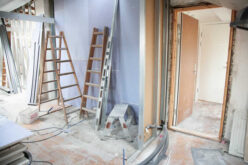
Whether you’re knocking down a wall or updating your kitchen, understanding these invisible threats protects your family and your renovation.
Old Pipes Release Dangerous Fumes
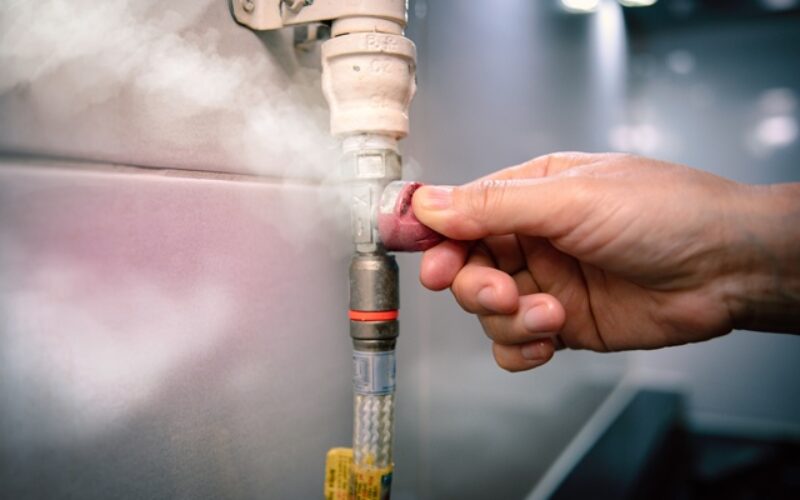
Older homes contain gas pipes that deteriorate over time. Renovations disturb these aging lines, and even minor vibrations from demolition work can crack weakened connections.
Rust and corrosion hide inside walls for decades before renovation work exposes them. Your contractor might accidentally nick a line while installing new fixtures or running electrical wiring.
Natural gas isn’t the only concern, either. Sewer gases escape through damaged drainage systems during bathroom or kitchen updates. These toxic fumes cause headaches, dizziness, and nausea before you realize something is wrong. Regular inspections before you start any major work can identify vulnerable pipes.
Ventilation Gaps Create Carbon Monoxide Traps
Renovations often change your home’s airflow patterns in unexpected ways. For example, sealing up drafty areas to improve energy efficiency can trap carbon monoxide from gas appliances.
Your newly renovated space might look perfect while invisible gases accumulate to deadly levels. Blocked vents, covered air intakes, and repositioned appliances all contribute to poor ventilation.
The advantages of wearable gas monitors become clear when you consider how construction dust can coat your fixed detectors, reducing their sensitivity. Opening windows during construction isn’t always enough. You need proper ventilation systems that account for your home’s new layout and changed air circulation patterns.
Construction Activities Damage Gas Detection Systems
Renovation work can create havoc with your existing safety equipment. Dust from drywall, sawdust from lumber, and paint fumes can disable your carbon monoxide and gas detectors.
Contractors might accidentally cover detectors with plastic sheeting or temporarily remove them from walls. Some homeowners forget to reinstall detectors after painting or wallpapering.
Dead batteries in detectors go unnoticed during the chaos of construction schedules and contractor visits. Check your detectors weekly during renovations, replace batteries immediately, and consider adding temporary backup detection systems in work areas where you’ve removed permanent fixtures.
DIY Projects Compound Gas Hazards
Enthusiastic DIYers sometimes bite off more than they can safely chew during renovations. You might feel confident installing new appliances or moving gas lines to accommodate your design vision. However, gas work requires licensed professionals with specialized training and equipment.
Using the wrong fittings or failing to seal connections properly can cause slow leaks that persist for months. Home improvement videos make complex gas work look deceptively easy, but they skip critical safety steps that professionals never overlook.
Keep Your Family Safe While You Renovate
Give these hidden gas risks homeowners overlook during renovations serious attention before you pick up that sledgehammer. Your beautiful new kitchen or updated bathroom isn’t worth risking your family’s safety. Taking simple steps can turn a potentially dangerous renovation into a safe, successful home improvement project you’ll enjoy for years to come.
Image Credentials: By 대철 신, File #366202528
end of post … please share it!
|__________________________________________________________|
home remodeling surprise
find out where it might go - new win


Helpful article? Leave us a quick comment below.
And please share this article within your social networks.