This shift is not just about reducing carbon footprints—it’s about creating spaces that save money, support well-being, and conserve resources for future generations.
For homebuyers and real estate professionals alike, understanding eco-friendly features is no longer optional; it’s essential. From energy-saving solar panels to water conservation solutions, eco-friendly homes are quickly becoming the standard rather than the exception.
Let’s explore the key features that make sustainable living possible and uncover how they can transform your home into a green sanctuary.
- post content
- Solar Panels: Harnessing Clean Energy for Your Home
- Home Technology: Making Your Space Smart and Sustainable
- Sustainable Features: Designing Homes with the Environment in Mind
- Water Conservation: Reducing Waste and Preserving Resources
- Other Eco-Friendly Considerations for Homebuyers
- Why Eco-Friendly Homes Matter for the Future
- view key:collective notes
Solar Panels: Harnessing Clean Energy for Your Home

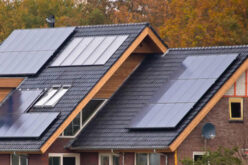
At the forefront of eco-friendly home upgrades are solar panels, a technology that captures sunlight and converts it into electricity. Solar panels provide an excellent source of clean energy, helping homeowners reduce their reliance on fossil fuels.
Once installed, they generate power for decades, often covering significant portions of a home’s energy needs.
The financial benefits of solar panels are equally compelling. While the upfront installation cost might seem steep, federal and state incentives can help offset these initial expenses.
Furthermore, homeowners often see a dramatic reduction in their utility bills, and some even sell surplus electricity back to the grid, creating an additional source of income. Over time, these savings can more than make up for the initial investment.
From an environmental perspective, the adoption of solar panels significantly reduces greenhouse gas emissions. By choosing renewable energy for your home, you’re not only reducing your carbon footprint but also contributing to a cleaner and healthier planet.

Home Technology: Making Your Space Smart and Sustainable
The integration of smart technology in homes has revolutionized sustainable living. Modern eco-friendly devices, such as smart thermostats and energy-efficient appliances, allow homeowners to monitor and optimize energy use with ease.
For instance, a smart thermostat learns your daily routine and adjusts your home’s temperature to save energy when you’re away, all while keeping it comfortable when you’re present.
Other innovations, such as energy-efficient LED lighting and smart plugs, have become essential for reducing electricity consumption. Advanced appliances like washing machines and refrigerators carry Energy Star certifications, ensuring they use less water and energy without compromising performance.
These technologies not only help cut down energy bills, but they also transform homes into spaces that are efficient, forward-thinking, and tailored to the specific needs of their inhabitants. By integrating smart systems, you create an intelligent ecosystem within your home—one that prioritizes sustainability and modern convenience in equal measure.
Sustainable Features: Designing Homes with the Environment in Mind
Truly eco-friendly homes often begin with thoughtful design and sustainable construction practices. Choosing renewable, recycled, and non-toxic materials minimizes environmental impact while creating healthier living conditions. Materials like reclaimed wood, bamboo flooring, and recycled steel are excellent options for eco-conscious homebuyers and builders.
Another popular sustainable feature is the green roof, which not only improves insulation but also offers urban areas a breath of fresh air. Meanwhile, passive solar design leverages natural sunlight to provide heating and lighting, reducing the need for artificial energy sources.
Insulation is another critical component of sustainable design. A well-insulated home maintains indoor temperatures more efficiently, reducing the need for heating and cooling systems and cutting energy costs. For an added touch of eco-friendliness, premium insulation made from recycled materials provides both function and sustainability.
Water Conservation: Reducing Waste and Preserving Resources
Water is one of the most precious resources we have, and incorporating water management practices into home design is an important step toward sustainable living. Low-flow fixtures, such as faucets, showerheads, and toilets, drastically reduce water usage without sacrificing performance. For outdoor areas, rainwater harvesting systems and drip irrigation techniques can help maintain landscaping while conserving water.
Eco-friendly landscaping goes even further by utilizing native plants that require minimal maintenance and watering. This strategy not only reduces water consumption but also helps create habitats for local wildlife.
Greywater systems present another innovative solution for water conservation. These systems recycle water from sinks, showers, and washing machines, redirecting it for irrigation or even toilet flushing—maximizing resource efficiency in the home.

How To Save Water At Home
When you turn on the spigot, have you ever considered where the clean water comes from and how it is distributed to your home?
Other Eco-Friendly Considerations for Homebuyers
When searching for an eco-friendly home, location matters just as much as the home’s features. Living in an area with access to public transportation, bike lanes, and walking paths can help reduce your dependence on cars, further shrinking your carbon footprint. Additionally, proximity to farmers’ markets, parks, and other community amenities can enhance your experience of sustainable living.
For homeowners seeking professional guidance, many real estate platforms specialize in identifying green-certified homes and environmentally conscious communities. Collaborate with real estate agents who understand the importance of eco-conscious living and can help you find the perfect sustainable property.
Lastly, consider advocating for renewable energy programs and community initiatives. By supporting green policies and infrastructure, you’re not just creating change for your own home—you’re contributing to a larger movement that impacts the entire world.
Why Eco-Friendly Homes Matter for the Future
The decision to prioritize eco-friendly features is about more than just cutting utility costs or keeping up with the latest trends. It’s an investment in the future—one that benefits homeowners, communities, and the planet at large.
By incorporating renewable energy, smart technology, sustainable design, and water conservation practices into homes, eco-conscious buyers are driving a much-needed shift in the housing market. They’re setting new standards that emphasize efficiency, responsibility, and long-term value.
Whether you’re designing your dream home or searching for a property that aligns with your principles, choosing eco-friendly features is a choice that pays dividends for both you and the environment. It’s time to take that next step toward sustainable living.
some other analysis of interest: (new win)
Micro-Homesteading Magic Transform Your Home and Garden into a Self-Sufficient Paradise
Find Energy Efficient Services Insulation Windows-Insulation Ducts & Vents Thermostats Solar Installation Skylights Home Automation Generators Home Automation Electrial Wiring Networks/Phone Computers/ Media Home Security Alarms top-rated, pre-screened local contractors FREE: download contractor selection enter zip code – powered by HomeAdvisor ™


Image credit: eco-friendly homes by envato.com
end of post … please share it!
| more photo remodeling |
Jump Over to Our Photo Analysis Center for Ideas on
"Renovating Home"
|__________________________________________________________|
home remodeling surprise
find out where it might go - new win


Helpful article? Leave us a quick comment below.
And please share this article within your social networks.