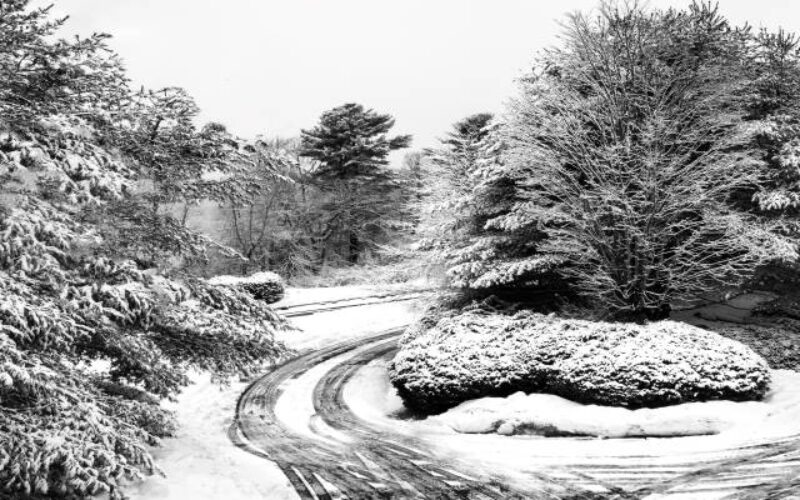
To avoid these inconveniences, you can have a snow-melting system installed on your property. If you’re unfamiliar with the system and its benefits, this article will list some useful information before installing a snow melting system.
Electrical Systems Or Hydronic Systems
The difficulties and hazards that snow can bring to your property are reasons to have a snow melting system installed. But before doing so, two types of systems to choose from are electrical and hydronic. It’s best to determine first which system is suitable for your home.
An electrical system uses electric currents to heat the wiring to melt snow. On the other hand, hydronic systems use piping where water-glycol fluid runs through the boilers to create heat. While some components are different, they have similarities in design and operation.

Deciding on which system to install depends on the size of the area that needs heating. Hydronic systems require a boiler and are best suited to large areas over 1,500 square feet. But areas under that sizing need electrical systems since it is more economical.
Owners still have the option to choose electrical systems if they don’t want the option of using a boiler in any size of the area. Click here to learn more about radiant floor heating.
Options Where To Install Snow Melting Systems
Snow melting systems are installable in areas where snow will cover, such as driveways, patios, stairways, walkways, accessibility ramps, and more.
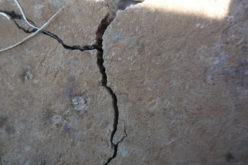
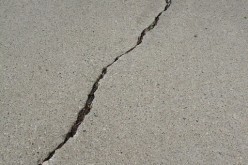
These areas must be devoid of snow to keep them clear and safe for those who use them. Snow and ice build-up can cause damage not only to your property but can also be the cause of liability concerns.
Snow melting systems are built to last long, even in harsh winter conditions. You can work with a snow melting system company to discuss the area’s size and the best heating system you need.
If you live where snow and ice build-up has you constantly shoveling and salting the area to keep your vehicle from getting stuck, it’s best to consider installing this system.
Types Of Installation
You can have your snow-melting systems installed under the following surfaces:
-
Asphalt:
Stone dust is used to install the system.
-
Poured Concrete:
The tubing is placed two to three inches deep underneath the surface. It is also stapled to an insulation board and attached to a rebar or fixing rail.
-
Interlocking Pavers:
Similar to asphalt, the tubing is laid underneath a sand bed. It also has an insulation layer. Staples are used to keep the tubing in place.
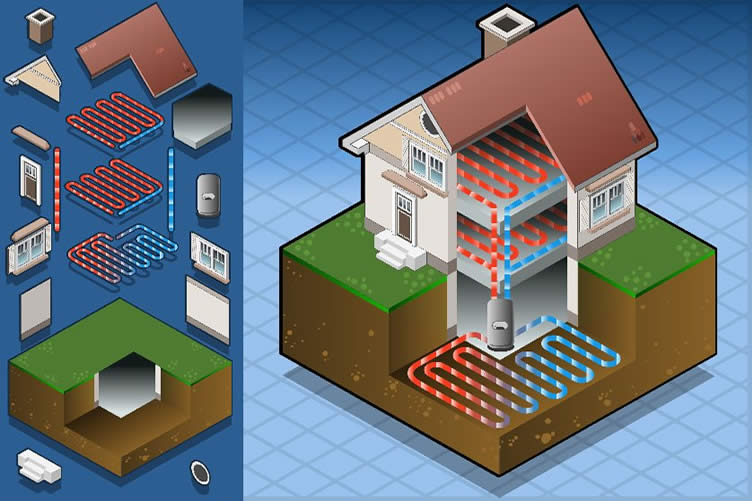
A snow melting system is best installed underneath surfaces when it’s being built, during fixing, or when the path is under expansion. You have from late spring to late fall seasons to install the system, with the ground beyond the freezing temperature.
Let The Professionals Handle It
Snow melting systems are not complicated, but it’s best to let the contractor handle the wiring. It will ensure that the warranty is valid. Homeowners will also receive active support for as long as they’re using the system.
Depending on the company and technical support, consumers will likely get a free installation. Some companies will also have instructional videos ready that you can turn to when installing the snow melting system.
It’s best to take advantage of their services to avoid mistakes. It will help you save time and stress, especially when you need it immediately. There are also likely to be basic guidelines that will adequately help you install the system.
Here are examples, but are not limited to:
- Heat cables must not touch, or they will overheat. The cable must be at least two inches apart.
- Never cut or modify the heating element.
- Be extra cautious when working around the heating cable.
- The heating cable should never pass through a heating joint.
You can check with the company if any special instructions are included with the installation. Assess if you can do the installation yourself or seek the help of a professional.
other related articles of interest:
In Conclusion
A snow melting system might be the solution you need to get rid of snow and ice build-up on your property. But it’s essential to conduct your research and determine how much work needs to be done on your property.
List your questions so you can find out as much as possible about the system from your reputable service provider.
Find Driveway/Walkway Services Driveways Walkways Steps Concrete top-rated, pre-screened local contractors FREE: download contractor selection enter zip code – powered by HomeAdvisor ™


Image credit: by envato.com
end of post … please share it!
|__________________________________________________________|
home remodeling surprise
find out where it might go - new win


Helpful article? Leave us a quick comment below.
And please share this article within your social networks.