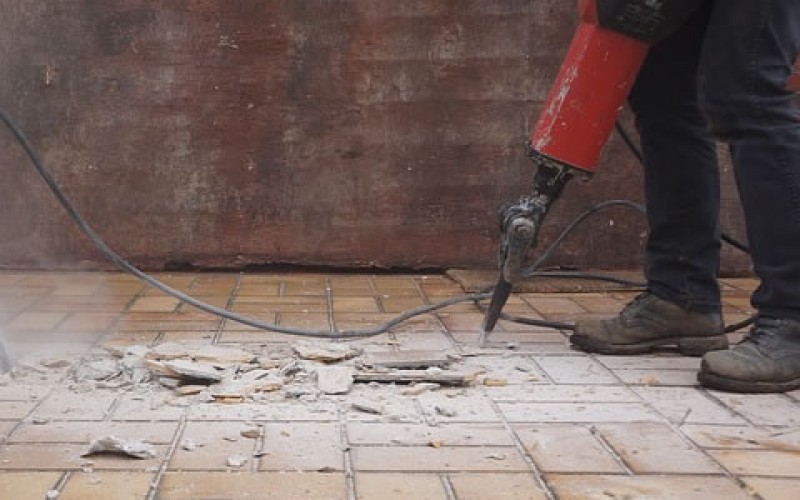
A DIY kitchen project will end up costing you way more than using a professional if you make a costly mistake. The following tips will help you know what needs to be done before the actual demolition takes place.
Do a Wall Check
Taking out a wall can open up the space and give you more room, but you don’t want to remove structural walls. Before you start tearing out sheetrock, have an engineer or contractor take a look determine if the walls in questions are actually holding up your ceiling. If you are trying to eliminate a load-bearing wall, you may still be able to accomplish your goals through the ingenious use of pillars and supporting bulkheads.
Electricity, Plumbing, and Safety
It may seem easy to just tear into a wall and bring it down, but you need to be sure that there aren’t any plumbing or electrical lines hidden behind the sheetrock. Even if you don’t see visible outlets, you may still have lines to consider. Start by cutting out the sheetrock to open the wall and see exactly what you’re dealing with. Be prepared to invite a plumber or electrician to come in and reroute those lines since attempting anything above your skill level is extremely dangerous.
Floor and Ceiling Variances
When you take the existing items out, you’re likely to be left with gaps in your floor or ceiling where the finish flooring or textured ceiling were installed after the cabinets and walls. If you’re putting a new floor down through the entire area, this isn’t a problem. However, you’ll need to allow a little extra money in the budget for patching the floor if you’re trying to save the flooring that’s already in place.
There Will Be Surprises
When it comes to renovations, it’s expected that you’re bound to run into surprises. The older your home is, the more likely you are to be unpleasantly surprised by what you find beneath walls or behind the old cabinets. The problem with surprises is that they tend to cost money, so prepare yourself by padding the budget a little. That way, you’ll be ready to go if you do need to call in the professional to reroute lines, address a hidden bug issue, or repair the water damage that you didn’t know about.
Consider the Disposal
You’ve lined up the sledgehammers, Sawz-all, friends to help out, and work gloves. However, have you considered how you’ll get rid of the debris? Most garbage companies won’t pick up construction debris from the curb, and even the ones who do want all the nails pounded out and wood bundled together. An easier option is to rent a dumpster. That way, you can take out the whole walls and old cabinets and easily drop them in your convenient dumpster.
Before you start the demolition of your kitchen, consider these little factors. It’s important to do your homework before you make firm plans, and that could mean relying on expert inspections and advice before you move forward. Keep the job safe by going slowly initially and checking for utility lines. Well laid plans will make a potentially long project go by quickly, and if you plan for surprises, you’ll be able to take care of them without stopping the project completely.
|__________________________________________________________|
home remodeling surprise
find out where it might go - new win


Helpful article? Leave us a quick comment below.
And please share this article within your social networks.