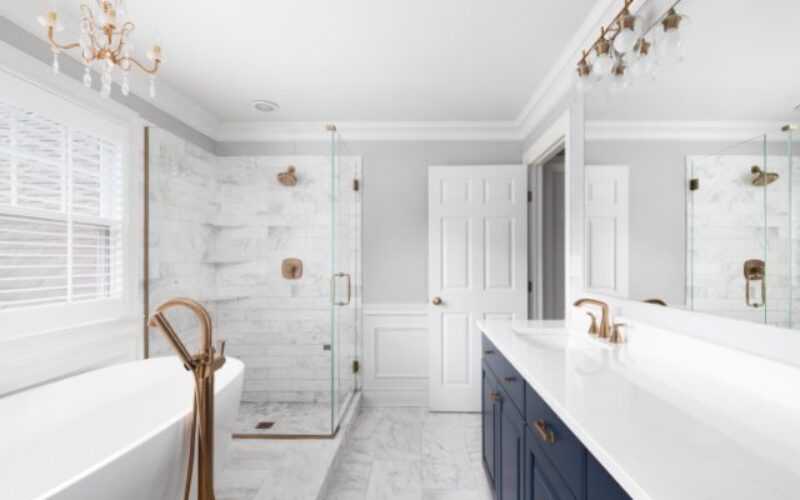

A luxury bathroom should feel effortless, but creating that experience requires careful decisions long before construction begins. A thoughtful plan also helps homeowners avoid expensive changes once work begins. Key things to consider when planning a luxury bathroom remodel include function, durable materials, and custom details that enhance comfort. Instead of treating luxury as a collection of costly finishes, approach the remodel as a coordinated design project in which layout, craftsmanship, lighting, storage, and long-term performance support one another.
Start With the Way You Use the Space
Begin by considering how the bathroom supports your daily routine. A beautiful layout can become frustrating when doors collide and pathways feel narrow or frequently used items sit too far from where you need them. Think about how you move from the vanity to the shower and how much clear space each activity requires.
Luxury often comes from convenience rather than sheer size. A smaller bathroom can feel exceptionally refined when every fixture has a logical location and the room provides comfortable circulation. If two people use the space together, account for simultaneous routines.
Set Priorities Before Choosing Finishes
High-end remodeling offers countless opportunities for customization, so establish priorities before becoming attached to individual products. Decide which features will have the greatest effect on comfort and which visual elements should define the room. This keeps the design focused and makes budget decisions easier.
For example, custom cabinetry may matter more than an elaborate decorative feature if storage problems affect the bathroom every day. A spacious shower may deserve more investment than a rarely used tub.
Choose Materials for Beauty and Performance
Luxury materials should look exceptional while standing up to moisture, heat, cleaning, and regular use. Consider how each surface will age rather than judging it only by its showroom appearance. Some materials develop character over time, while others require consistent sealing or specialized care to maintain their finish.
Natural stone can give a bathroom distinctive depth because every slab has unique movement. Homeowners researching what to look for in high-quality natural stone slabs should consider consistency, structural integrity, finish quality, and suitability for the intended application. Ask how a chosen stone responds to water exposure and common bathroom products. Understanding maintenance requirements before installation helps preserve the material and prevents surprises after the remodel is complete.
Plan Lighting Around Real Activities
A luxury bathroom needs lighting that supports grooming while creating a relaxing atmosphere. Relying on a single overhead fixture can produce harsh shadows and make an otherwise sophisticated room feel flat. Plan lighting according to where tasks occur and how the bathroom should feel at different times of day.
Vanity lighting should illuminate the face evenly. Shower areas need appropriate fixtures designed for wet locations, while softer ambient lighting can make evening routines more comfortable. Dimmers provide useful flexibility without changing the visual design. When possible, incorporate daylight thoughtfully and consider privacy at the same time. Window placement or specialized glazing can bring in natural light without making the room feel exposed.
Give Storage a Custom Role
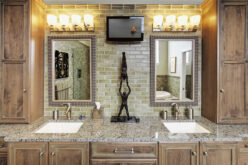
Clutter can quickly undermine a luxurious atmosphere. Instead of adding storage after establishing the layout, integrate it into the room. Custom vanities can accommodate personal routines more effectively than standard cabinets because designers can tailor drawer sizes and interior configurations to specific needs.
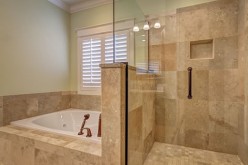
Recessed shower niches keep bathing products accessible without adding bulky organizers. Consider electrical needs inside cabinetry as well. Dedicated outlets can keep grooming tools ready for use while reducing visible cords on the countertop.
Invest in Fixtures You Touch Every Day
Luxury becomes most noticeable through repeated interaction. Faucets, shower controls, cabinet hardware, and other frequently handled components should feel substantial and operate smoothly. Evaluate construction quality rather than selecting fixtures solely because their finishes match the design.
Shower controls should be easy to reach without stepping into cold water. Faucet proportions should suit the sink to reduce splashing. If the project includes specialty features, confirm that the home’s plumbing system can support them. Water pressure and drainage capacity can determine whether hot-water availability allows selected features to perform as expected.
Coordinate Technology With the Design
Technology can improve comfort when it feels integrated rather than added as an afterthought. Heated floors, smart controls, or integrated audio may suit a luxury bathroom, but each feature requires early planning for power and installation. Waiting until construction is underway can limit placement or increase costs.
Choose technology based on genuine usefulness. A feature that simplifies a routine can add lasting value, while complicated controls may become irritating if you rarely use them.
Respect the Importance of Ventilation
Moisture management is essential in any bathroom, especially one with premium cabinetry and expensive finishes. Effective ventilation helps protect painted surfaces, woodwork, grout, and other materials from prolonged humidity.
Select ventilation equipment based on the room’s requirements and plan its location carefully. Quiet operation is particularly important in a space designed for relaxation. The exhaust route also deserves attention because proper ducting affects performance. Discuss ventilation during the design phase so grilles and controls can blend into the finished room rather than appearing as last-minute necessities.
Build the Budget Around Craftsmanship
Premium materials cannot compensate for poor installation. Complex tile layouts, stone fabrication, custom millwork, and specialty plumbing all depend on experienced tradespeople who understand precise tolerances. Allocate enough of the budget to skilled labor instead of directing nearly every dollar toward visible products.
Ask prospective contractors about experience with comparable bathrooms and review the details of their proposed scope. Clear allowances and specifications can reduce misunderstandings. The schedule should also account for custom items that require longer production times. Ordering critical materials early can prevent rushed substitutions that compromise the original design intent.
Create a Bathroom With Lasting Luxury
The best things to consider when planning a luxury bathroom remodel extend beyond appearance. A successful project balances personal routines with durable materials and precise installation while preserving thoughtful comfort. It also anticipates maintenance, so that the finished room remains enjoyable rather than becoming demanding.
When every major decision supports the way you will use the bathroom, luxury feels natural instead of excessive. Careful planning gives designers and craftspeople the information they need to execute details consistently, while disciplined priorities keep the project focused. The result is a refined retreat that serves everyday needs and continues to feel intentional long after renovation completion.
Image Credentials: By Joseph Hendrickson, 534004600
|__________________________________________________________|
home remodeling surprise
find out where it might go - new win


Helpful article? Leave us a quick comment below.
And please share this article within your social networks.