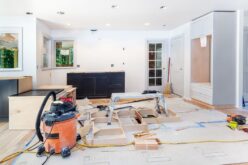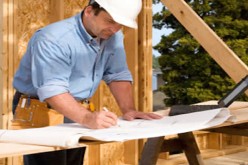
However, older homes often conceal a serious health hazard within their walls, floors, and pipes. Asbestos, a fibrous mineral once praised for its fire resistance, poses severe long-term health risks if you disturb it. When these microscopic fibers become airborne, they can cause life-threatening lung diseases.
Safety must come first. You need a plan before you start your project. Let’s go over how to protect your family from asbestos while renovating.
Know Where Asbestos Hides
Manufacturers used asbestos in thousands of construction materials up until the late 1970s and early 1980s. While it sits harmlessly when intact, demolition releases toxic dust. You should suspect asbestos in several common areas of an older home.
Be cautious around these materials:
- Steam pipe and boiler insulation
- Vinyl floor tiles and the black mastic adhesive underneath
- Vermiculite insulation in attics
- Cement siding and roofing shingles
- Textured popcorn ceilings and joint compounds
Test Before You Demolish
You cannot identify asbestos just by looking at it. The fibers are too small for the naked eye. If your home is older, assume hazardous materials exist until a test proves otherwise. Never drill, sand, or saw into suspect materials. Instead, hire a licensed asbestos inspector. These professionals know exactly how to safely collect samples without contaminating your home. They send these samples to a certified lab for analysis. This step provides the only definitive answer and lets you proceed with facts rather than guesses.
Follow State Regulations
Strict rules govern how you handle confirmed asbestos. These laws exist to protect you and your neighbors. In many areas, you must notify environmental agencies before starting work. For example, Massachusetts asbestos abatement regulations mandate notification at least 10 working days before abatement begins. Additionally, laws strictly prohibit dry removal. Contractors must keep materials wet to prevent fibers from flying into the air. Ignoring these rules can lead to hefty fines and legal trouble.
Hire Licensed Professionals
Homeowners often love the DIY approach to save money, but asbestos abatement requires professional expertise. Standard dust masks and shop vacuums offer zero protection against asbestos fibers. Licensed abatement contractors use specialized equipment, including high-efficiency particulate air (HEPA) filters and negative air pressure systems, to contain the workspace. They seal off the area with plastic sheeting to ensure no dust escapes into the rest of your house. Furthermore, a proper job isn’t finished until an independent consultant performs a clearance inspection to verify the air is safe.
Your renovation should add value and comfort to your home. Take the right precautions to protect your family from asbestos while renovating.
Image Credentials: Zarya Maxim, 177779861
end of post … please share it!
|__________________________________________________________|
home remodeling surprise
find out where it might go - new win


Helpful article? Leave us a quick comment below.
And please share this article within your social networks.