Halloween didn’t simply appear with its ghosts, goblins, and endless candy—it evolved through centuries of cultural shifts, blending ancient spiritual practices with modern community celebrations.
Understanding Halloween’s roots helps us appreciate why we continue these traditions and how they’ve shaped our communities. From ancient Celtic festivals to modern neighborhood gatherings, this holiday carries fascinating stories that connect us to generations past while creating new memories with those we love today.
What is Halloween?
Halloween is more than costumes and candy. It’s a cultural celebration observed primarily on October 31st that brings communities together through shared traditions of dressing up, decorating homes, and collecting treats.
While many associate it with spooky themes and sugar rushes, the holiday serves as a unique opportunity for neighborhoods to connect, families to bond, and children to experience the thrill of imagination come to life.
For parents and history enthusiasts alike, exploring Halloween’s deeper meaning reveals a rich tapestry of cultural significance that extends far beyond the plastic decorations lining store shelves each autumn.
-
Origins of Halloween
Halloween’s story begins over 2,000 years ago with the ancient Celtic festival of Samhain (pronounced "sow-in"). The Celts, who lived in what is now Ireland, the United Kingdom, and northern France, celebrated their new year on November 1st. This date marked the end of summer harvest and the beginning of winter—a time often associated with darkness and death.
The Celts believed that on the night before their new year, the boundary between the living and the dead became blurred. On October 31st, they thought ghosts of the dead returned to earth, potentially damaging crops and causing trouble. To ward off these spirits, people would light massive bonfires and wear costumes made from animal heads and skins.
When the Roman Empire conquered Celtic territories, two Roman festivals merged with Samhain. Later, in the 8th century, Pope Gregory III designated November 1st as All Saints’ Day, a time to honor saints and martyrs.
The evening before became known as All Hallows’ Eve, which eventually evolved into Halloween. This Christian overlay didn’t erase the earlier traditions—instead, they blended together, creating the foundation for modern Halloween celebrations.
-
Halloween Traditions
As Halloween crossed the Atlantic with European immigrants, particularly the Irish fleeing the potato famine in the 1840s, it began taking on distinctly American characteristics. Communities started gathering for harvest celebrations featuring dancing, singing, fortune-telling, and sharing ghost stories—activities that brought neighbors together during the season’s transition.
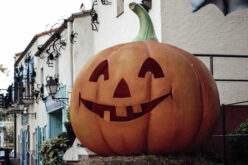
The Jack-o’-lantern tradition also made the journey, though with a practical twist. In Ireland, people carved turnips and potatoes to ward off evil spirits, but American settlers discovered that pumpkins—native to North America and much larger—made perfect canvases for their eerie creations. These glowing sentinels soon became Halloween’s most recognizable symbol.
By the early 20th century, Halloween evolved into a community-centered holiday focused less on superstition and more on bringing people together. Towns organized parties for both children and adults, encouraging safe, family-friendly activities that maintained the holiday’s playful spirit while leaving behind some of its darker associations.

Spine-Chilling Halloween Legends that Keep the Spirit Alive
From haunted tales of spectral apparitions roaming the night to legendary creatures lurking in the shadows, each narrative promises to deliver spine-tingling thrills.

History of Trick-or-Treating
The phrase "trick or treat" might feel timeless, but this beloved tradition took quite a journey before becoming the Halloween centerpiece we know today. Understanding how children began going door-to-door for candy reveals fascinating insights into how communities adapt old customs to create new connections.
-
Early Forms of Trick-or-Treating
The practice of going door-to-door for food has roots in several medieval customs. During All Souls’ Day celebrations, poor people would visit wealthier homes to receive "soul cakes" in exchange for prayers for the homeowners’ deceased relatives. This tradition, called "souling," spread throughout Europe and bore some resemblance to modern trick-or-treating.
Another practice called "guising" emerged in Scotland and Ireland. Children would dress in costumes and perform songs, poems, or tricks in exchange for food or coins. These performances weren’t optional—the "treats" had to be earned through entertainment, quite different from today’s simple "trick or treat" exchange.
When these customs arrived in America, they initially took a troublesome turn. By the 1920s and 1930s, Halloween night had become associated with pranks that sometimes crossed into vandalism. Communities searched for ways to redirect this youthful energy into more positive channels, setting the stage for trick-or-treating’s transformation.
-
Trick-or-Treating Today
The modern version of trick-or-treating gained widespread popularity in the 1950s, coinciding with the post-war baby boom and the growth of suburban neighborhoods. These new communities provided safe, walkable streets perfect for children to travel door-to-door. Candy companies recognized this opportunity and began marketing small, individually wrapped treats specifically for Halloween—a far cry from the homemade goodies of earlier decades.
Today, trick-or-treating represents more than collecting candy. It’s become a cherished ritual that strengthens neighborhood bonds.
Homeowners decorate their properties to delight visiting children, creating temporary wonderlands that transform ordinary streets into magical experiences. Parents walk alongside their children, chatting with neighbors they might not otherwise connect with regularly.
Safety considerations have shaped modern practices too. Many communities now organize designated trick-or-treating hours, host trunk-or-treat events in parking lots, or create indoor alternatives. These adaptations show how traditions evolve while maintaining their core purpose—bringing people together in celebration.
Halloween’s Modern Impact
Halloween has grown into one of America’s most celebrated holidays, influencing everything from retail economics to popular culture. Its reach extends far beyond a single night of festivities, shaping how we think about community, creativity, and seasonal traditions.
-
Economic Impact
Halloween generates substantial economic activity each year. Americans spend billions on costumes, decorations, and candy, making it one of the largest retail holidays after Christmas. This spending supports local businesses, from costume shops to pumpkin patches, creating seasonal employment and boosting community economies.
The holiday has also sparked creativity in unexpected sectors. Home improvement stores see increased sales of outdoor lighting and decorative materials. Craft stores benefit from DIY enthusiasts creating handmade decorations. Even food businesses adapt their offerings, introducing seasonal flavors and themed treats that capitalize on Halloween’s popularity.
For families managing budgets, Halloween offers opportunities for creativity rather than excessive spending. Many people craft homemade costumes, repurpose decorations year after year, and find affordable ways to participate fully in the celebration—proving that holiday spirit doesn’t require large expenditures.
-
Cultural Impact
Beyond economics, Halloween influences how we express ourselves and connect with others. Costume choices reflect current events, popular culture, and individual creativity. Children experiment with different identities, while adults enjoy rare opportunities to embrace playfulness and imagination.
The holiday has also become deeply embedded in media and entertainment. Halloween-themed movies, TV specials, and music create shared cultural touchstones that transcend individual celebrations. These productions often emphasize themes of community, bravery, and the triumph of good over evil—messages that resonate regardless of whether someone actively celebrates the holiday.
For many families, Halloween traditions create lasting memories and strengthen bonds across generations. Grandparents share stories of their childhood Halloweens, parents establish traditions with their children, and communities come together in ways that honor both the past and present.
other related analysis of interest: (new win)
Celebrating Halloween’s Enduring Magic
Halloween’s journey from ancient Celtic festival to modern neighborhood celebration demonstrates how traditions adapt while maintaining their essential purpose—bringing people together. Whether you’re lighting jack-o’-lanterns descended from carved turnips, or handing out candy to costumed visitors, you’re participating in centuries of cultural evolution.
The holiday’s continuing popularity suggests we still need what Halloween offers: permission to be playful, opportunities to connect with neighbors, and moments when imagination takes center stage. As you prepare for this year’s festivities—decorating your home, planning costumes, or simply keeping the porch light on for trick-or-treaters—you’re adding your own chapter to Halloween’s ongoing story.
So tonight, as darkness falls and doorbell rings echo through neighborhoods, remember that you’re not just participating in a modern tradition. You’re connecting with ancient roots, honoring community bonds, and creating memories that will inspire future generations to continue this magical celebration.
table class=”dataGrid youtube” id=”tb2SPEC2″>
Find Interior Design Services Decorators Interior Designers Furniture Painting & Staining top-rated, pre-screened local contractors FREE: download contractor selection enter zip code – powered by HomeAdvisor ™


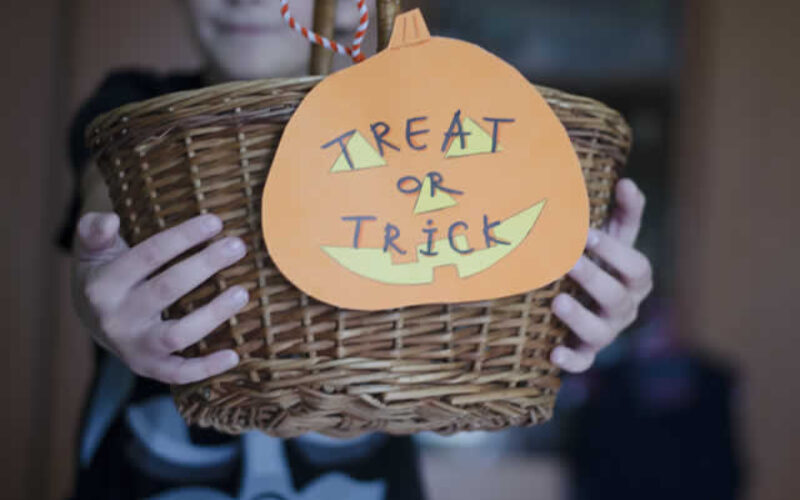
Image credit: trick-or-treating by envato.com
end of post … please share it!
| more photo remodeling |
Jump Over to Our Photo Analysis Center for Ideas on
"Renovating Home"
|__________________________________________________________|
home remodeling surprise
find out where it might go - new win


Helpful article? Leave us a quick comment below.
And please share this article within your social networks.