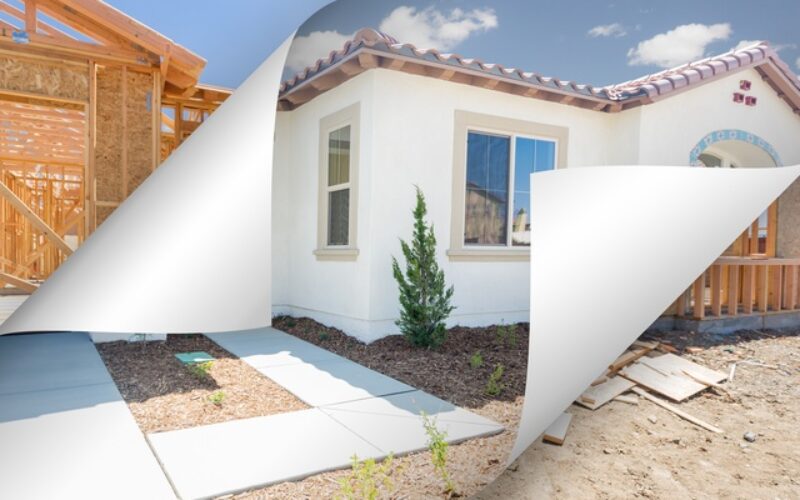

Flipping homes can be an exciting way to invest in real estate and turn a profit. However, it’s not without risks, and even small missteps can lead to big losses. Knowing what mistakes to avoid from the start can save you time, money, and unnecessary stress. Whether you’re a seasoned investor or a beginner, read on to discover the four common mistakes to avoid when flipping a home.
Underestimating Renovation Costs
Many first-time flippers fall into the trap of underestimating the total cost of renovations. What may seem like minor repairs often snowball into costly projects, such as discovering structural damage or outdated plumbing in need of replacement. Underbudgeting for materials and labor can also eat into your profits. Always account for surprises—hidden issues behind walls, under floors, or on the roof can derail your budget. You should walk through the property with a contractor or inspector before buying to get a clear idea of what’s involved.
Not Exploring Different Financing Options
One common mistake is jumping into a flip without thoroughly researching financing options. Many flippers assume traditional mortgages are their only choice and overlook alternatives like hard money loans or private lenders. Hard money loans, for example, can cover both the purchase and renovation costs but often come with higher interest rates. Private investors might offer flexible terms but could require a share of your profits. Choosing the wrong financing method can lead to slowed timelines or increased interest payments eating into your margins.
Neglecting the Home Inspection
Skipping the home inspection to save time or money often ends up costing much more in the long run. Issues like foundation damage, termites, and old electrical systems may not always be visible during a casual walkthrough but can cost thousands to fix later. Failing to catch these problems early can lead to delays and blown budgets once renovations begin. A licensed home inspection ensures that no major red flags are hiding beneath the surface. It’s also a great tool for negotiation—knowing the property’s flaws gives you leverage to ask for a lower price.
Not Accounting for Holding Costs
Another easily overlooked expense in home flipping is holding costs—expenses incurred while the property sits unsold. These can include property taxes, homeowner’s insurance, utility bills, and interest payments on loans. If the home takes longer to renovate or sell than planned, these costs can add up quickly and shrink your profits. Creating a realistic timeline with clear benchmarks is essential to minimize delays. Partnering with a knowledgeable real estate agent can also help you price the home competitively and get it on the market quickly.
Understanding the common mistakes to avoid when flipping a home will set you up for greater success and higher ROI. Focus on budgeting properly, choosing the right financing, and addressing potential pitfalls early on. With careful planning and execution, flipping homes can become a lucrative venture that helps you grow your investments.
Image Credentials: By Andy Dean, #197423822
|__________________________________________________________|
home remodeling surprise
find out where it might go - new win


Helpful article? Leave us a quick comment below.
And please share this article within your social networks.