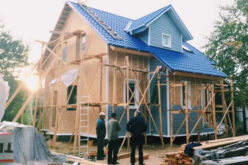
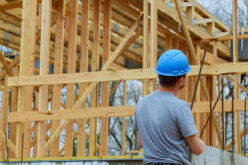
This is where construction consultantsplay a crucial role, acting as the bridge between design and execution. They bring their expertise to translate architectural plans and engineering specifications into actionable steps for the construction team.
This article examines how construction consultants bridge this critical gap, exploring their diverse responsibilities, the challenges they face, and the valuable contributions they make to ensure successful outcomes.
- post content
- Understanding the Role of Construction Consultants
- Facilitating Communication Between Stakeholders
- Translating Design Intentions into Actionable Plans
- Ensuring Compliance and Quality Standards
- Value Engineering and Cost Optimization
- Risk Management and Problem-Solving
- Leveraging Technology for Better Integration
- Enhancing Project Sustainability and Environmental Compliance
- Building Stronger Collaboration with Contractors
- conclusion
- view key:collective notes
Understanding the Role of Construction Consultants
Construction consultants are super important to project planning, management, and execution. They provide oversight and guidance in various aspects, including technical, financial, and logistical considerations.
Their responsibilities range from assessing project feasibility and advising on best practices to ensuring that all processes align with the project’s vision and regulatory requirements. Their expertise mitigates risks and enhances efficiency, ensuring construction activities remain on track from inception to completion.

Facilitating Communication Between Stakeholders
Clear communication between architects, engineers, contractors, and clients is crucial for successful project execution. Construction advisors act as intermediaries, ensuring all parties are aligned with the project’s vision, objectives, and specifications.

By facilitating discussions, resolving conflicts, and clarifying technical details, consultants create an environment of collaboration and transparency, minimising misunderstandings and creating strong partnerships among stakeholders.
Translating Design Intentions into Actionable Plans
The transition from design to execution requires meticulous planning and technical knowledge. Construction consultants interpret architectural and engineering blueprints, translating them into feasible construction strategies.
Their role includes advising on materials, optimising construction methods, and assessing project timelines to ensure smooth implementation.
By bridging the gap between creative aspirations and practical execution, consultants help achieve the intended design without compromising functionality or efficiency.
Ensuring Compliance and Quality Standards
Regulatory compliance and quality assurance are critical aspects of any construction project. Building advisors play a key role in monitoring adherence to building codes, safety regulations, and industry standards.
Their oversight helps prevent errors, ensures high-quality workmanship, and minimises costly rework. Through continuous inspection and documentation, consultants uphold construction integrity, protecting both the client’s investment and the safety of future occupants.
Value Engineering and Cost Optimisation
Cost management is a crucial aspect of construction consulting. Consultants identify opportunities to optimise resources without undermining the project’s aesthetic and functional aspirations.
Through value engineering, they assess materials, construction techniques, and procurement strategies to strike a balance between budget constraints and design integrity. Additionally, their expertise in financial planning helps clients maximise returns on investment while maintaining project viability.
Risk Management and Problem-Solving
Unforeseen challenges are an inherent part of construction projects. Construction consultants play a proactive role in identifying potential risks and implementing mitigation strategies. Their expertise allows them to anticipate delays, budget overruns, and technical issues before they escalate.
By developing contingency plans and swiftly addressing emerging problems, consultants enhance project resilience and minimise disruptions, ensuring a smoother construction process.
Leveraging Technology for Better Integration
Modern construction projects increasingly rely on digital tools for improved coordination and efficiency. Construction consultants make use of technologies such as Building Information Modelling (BIM) to align design and execution seamlessly.
Additionally, digital platforms facilitate real-time project monitoring, enhance collaboration, and provide stakeholders with up-to-date progress insights. These tools enable consultants to improve accuracy, reduce errors, and ensure timely decision-making throughout the construction lifecycle.

The Need of Building Permits and Codes for Home Renovations
Before you start any renovation project, it’s crucial to understand the importance of obtaining the right renovation permits and adhering to the appropriate renovation building codes.
Enhancing Project Sustainability and Environmental Compliance
Sustainability is a growing priority in modern construction, requiring careful planning and execution. Construction consultants play an important role in incorporating eco-friendly practices, ensuring compliance with environmental regulations, and optimising resource efficiency.
From recommending sustainable materials to implementing waste reduction strategies, consultants help minimise a project’s environmental impact while maintaining structural integrity and functionality.
Building Stronger Collaboration with Contractors
A successful project hinges on effective collaboration between designers and builders. Reputed services, such as Argus Advisory Services, prioritise fostering trust and cooperation between stakeholders. Here, the construction advisors play a crucial role in addressing on-site challenges, mediating disputes, and ensuring smooth execution.
By maintaining open lines of communication and providing technical expertise, consultants help prevent delays and facilitate constructive problem-solving between contractors and design teams.
Conclusion:
The role of construction consultants is critical in bridging the gap between design and execution. By providing expert guidance on constructability, cost management, scheduling, and risk mitigation, they ensure that the initial design intent is translated into a buildable, efficient, and successful project.
Their ability to effectively communicate, collaborate, and problem-solve throughout the project lifecycle ensures that design aspirations are met while practical considerations are addressed.
Ultimately, the expertise of construction consultants is what transforms blueprints and ideas into tangible structures, delivering projects that meet client needs and stand the test of time.
other related analysis of interest: (new win)
Find Home Construction Services Additions Home Construction Major Remodels Site Preparation top-rated, pre-screened local contractors FREE: download contractor selection enter zip code – powered by HomeAdvisor ™


Image credit: construction consultants by envato.com
end of post … please share it!
|__________________________________________________________|
home remodeling surprise
find out where it might go - new win


Helpful article? Leave us a quick comment below.
And please share this article within your social networks.