So, whether you’re faced with repairs, renovations, or simply settling in, mastering this skill is your ticket to turning your new house into a personalized sanctuary.
- post content
- Assessing immediate needs
- Creating a master checklist
- Prioritizing safety and security
- Addressing essential utilities
- Maximizing functionality
- Tackling immediate aesthetic improvements
- Budgeting wisely
- Considering long-term goals
- Leveraging DIY opportunities
- Establishing a realistic timeline
- conclusion
- side idea:Combating Indoor Air Pollution
- view key:collective notes
Assessing immediate needs
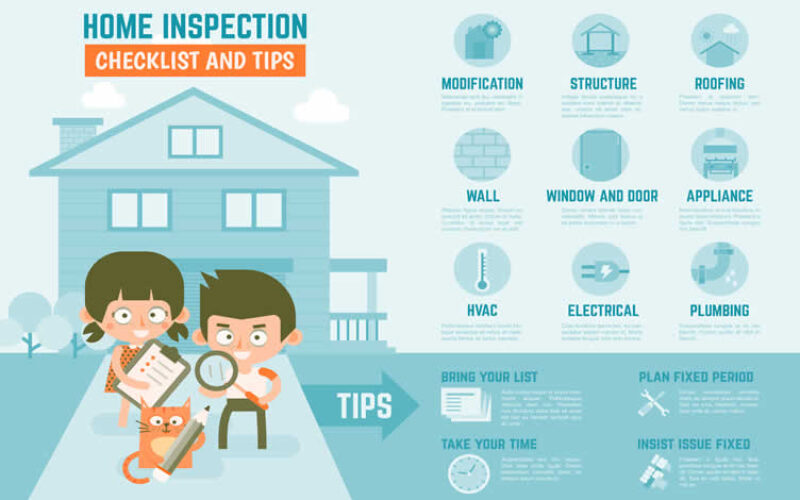
When settling into your new home, you need to begin by assessing your immediate renovation needs. After all, you hardly need to tackle fireplace upgrades first thing after moving!
You should do a comprehensive inspection of your new abode and take note of any pressing issues that require immediate attention, such as leaky faucets, faulty electrical outlets, or creaky floorboards.
These are the types of problems that can disrupt your comfort and compromise your safety. By prioritizing the resolution of these issues, you can achieve a smoother transition into your new space. Besides, addressing these concerns early on can help you avoid much more serious costs than letting them worse would entail!

Creating a master checklist
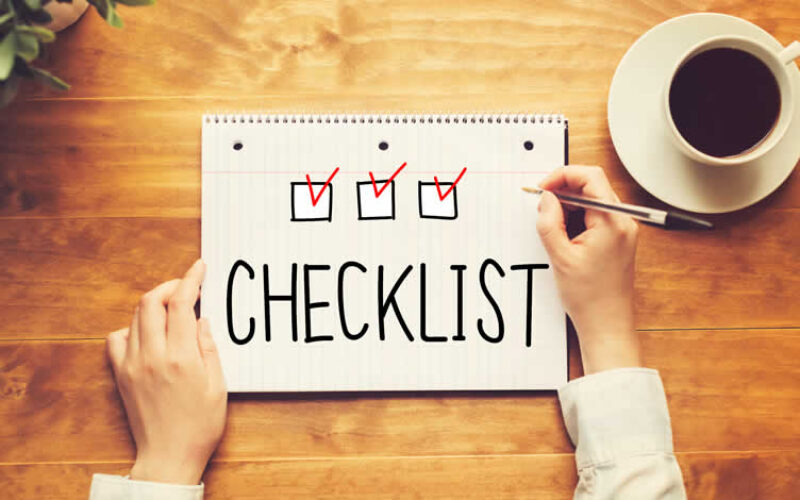
A master checklist is your roadmap, helping you prioritize projects when moving into your new home. Here, you can list everything you can think of, from minor repairs to major renovations. Organize these tasks into categories such as safety, functionality, aesthetics, and budget.
This categorization helps you prioritize what needs immediate attention and what can wait. Be thorough and detailed in your checklist to make sure nothing falls through the cracks! Consider breaking down larger projects into smaller, more manageable tasks, too. This makes the entire process feel less overwhelming and more achievable!
Prioritizing safety and security
When you first move into a new home, installing or upgrading essential safety features such as smoke detectors and security systems is a priority. Make sure doors and windows are properly secured to prevent intrusions, too. Don’t overlook the importance of functioning locks and deadbolts to enhance security measures, either!
Next, address any safety hazards promptly to safeguard your family and belongings. This way, you provide peace of mind for yourself and your loved ones. Besides, investing time and resources in these measures upfront can prevent potential disasters later on, like fire or theft.
Addressing essential utilities
When transitioning into a new home, one of the primary tasks on your agenda should be addressing essential utilities. These utilities form the backbone of a comfortable and functional living space, so you need to make sure they are in optimal condition.
Step one would be conducting a thorough inspection of the HVAC systems to guarantee both efficiency and safety. Proper maintenance and servicing will enhance the performance of your heating and cooling systems and extend their lifespan.
From there, pay close attention to the insulation of pipes, particularly in regions with colder climates. Insulation helps prevent freezing during winter months, which can lead to costly repairs and water damage if left unchecked.
Lastly, be diligent in inspecting for water leaks and promptly addressing any plumbing issues that arise. Water leaks waste valuable resources and can cause significant damage to your property if left untreated!

Maximizing functionality
If you want to maximize the functionality of your new home, focus on improvements that enhance daily living rather than just aesthetics. For instance, investing in kitchen upgrades can significantly improve functionality and convenience, making meal preparation and cooking more efficient.
You could consider adding organizational features like pull-out pantry shelves or installing energy-efficient appliances to save time and resources in the long run.
So, you’d opt for practical kitchen improvements over just something like getting fancier shelving! Likewise, it’s smart to allocate resources to projects that optimize space utilization in key areas such as the garage or laundry room.
Tackling immediate aesthetic improvements
Naturally, just because you shouldn’t do aesthetic improvements immediately doesn’t mean you shouldn’t do them at all! Once you’ve sorted out higher-priority renovations, focus on high-traffic areas or rooms where visual updates can significantly impact you.
For example, painting walls in neutral tones can instantly freshen up the space and create a welcoming atmosphere. Furthermore, consider replacing worn-out flooring with new materials that both enhance aesthetics and improve comfort and durability.
Updating lighting fixtures is another simple yet effective way to enhance ambiance and functionality!
Budgeting wisely
When moving into your new home, budgeting wisely is necessary to ensure financial stability throughout the transition and renovation process. Start by prioritizing projects that offer the highest return on investment, such as essential repairs and upgrades—research cost-effective alternatives for materials and labor to make the most of your budget, too.
Setting aside a contingency fund for unexpected expenses during renovations is also wise. Of course, it’s best to budget for specific things from the start.
For example, if you need to renovate certain rooms and you know you won’t have enough room for all your belongings, you can work with a storage company like peasleyboisemovers.com, which can hold everything in a storage facility until you are finally ready to move it all in. You can even use their free quotes to better budget everything and reduce unexpected expenses!
Considering long-term goals
When tackling home improvement projects, consider your long-term goals for the space. Think about how your needs might evolve over time and plan accordingly!
For example, if you anticipate starting a family in the future, investing in additional bedrooms or flexible living spaces could be a wise decision. Similarly, incorporating energy-efficient upgrades can help save on utility bills and reduce your carbon footprint in the long run.
Besides, you also need to consider the resale value of your home and prioritize projects that offer a high return on investment. This way, you can create a living environment that meets your current needs and can better adapt to future changes.
Leveraging DIY opportunities
DIY opportunities are an enticing avenue for homeowners who want to tackle home renovations independently. So, if you know how to handle renovations properly, you can exercise your creativity and save on labor costs. However, this implies that you need to know how to identify tasks that align with your skill level and comfort zone.
Tasks such as painting walls, assembling furniture, or even installing simple fixtures are ideal for DIY endeavors. However, recognize your limitations and refrain from attempting tasks beyond your expertise! Complex projects, such as electrical or plumbing work, require professional intervention to maintain safety and compliance with building codes.
Regardless, before embarking on any DIY project, thorough research and preparation are needed. This is because acquiring the necessary tools, materials, and knowledge beforehand can significantly contribute to the project’s success!
Establishing a realistic timeline
A realistic timeline will help you keep everything on track and prioritize the right tasks. So, begin by breaking down tasks into manageable phases or stages to prevent overwhelm. Set deadlines and milestones to track progress and stay on target!
Still, it’s important to be flexible and adaptable, as unexpected delays or changes may occur. Therefore, building in buffer time for unforeseen circumstances maintains a smoother project flow.
Naturally, communicate openly with contractors or collaborators to ensure everyone is on the same page regarding expectations and timelines. Lastly, remember that patience is important since rushing through projects can lead to errors or subpar results.
other related articles of interest:
Renovation Red Flags You Should Address Before Moving into a New Home
The benefits of knowing how to prioritize projects when moving into your new home
Mastering how to prioritize projects when moving into your new home is a valuable skill that sets the foundation for a seamless transition. By focusing on essential tasks first and considering long-term goals, you can create a living space that meets your needs and reflects your personality!
With careful planning and strategic prioritization, you’ll transform your new house into a home in no time.
Find Moving Services (opens new win) Moving Services Moving & Storage Rentals Move Professionals top-rated, pre-screened local contractors FREE: download contractor selection enter zip code – powered by HomeAdvisor ™


Image credit: wnen movng into your new home by envato.com
end of post … please share it!
|__________________________________________________________|
home remodeling surprise
find out where it might go - new win


Helpful article? Leave us a quick comment below.
And please share this article within your social networks.