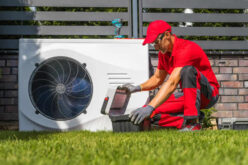
The type of heating system you use can have a significant impact on the air you breathe indoors, influencing everything from humidity levels to the concentration of pollutants.
The Importance of Ventilation
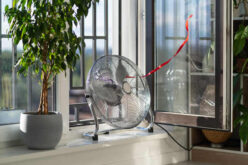
Ventilation is the primary tool for maintaining indoor air quality by ensuring a continuous exchange of indoor and outdoor air. This process helps dilute and remove contaminants generated within the home, including those produced by heating systems.
Filters and Air Purifiers
Heating systems that use air ducts, such as gas-forced air, can distribute allergens and pollutants throughout a home unless properly filtered. Regularly changing HVAC air filters and using air purifiers can significantly improve indoor air quality by trapping particles before they circulate.
Gaseous Emissions and Particulates
Different heating systems emit varying levels of fumes and particulates. Gas-forced air systems, for instance, can release combustion byproducts such as carbon monoxide and nitrogen dioxide into the home without proper ventilation.
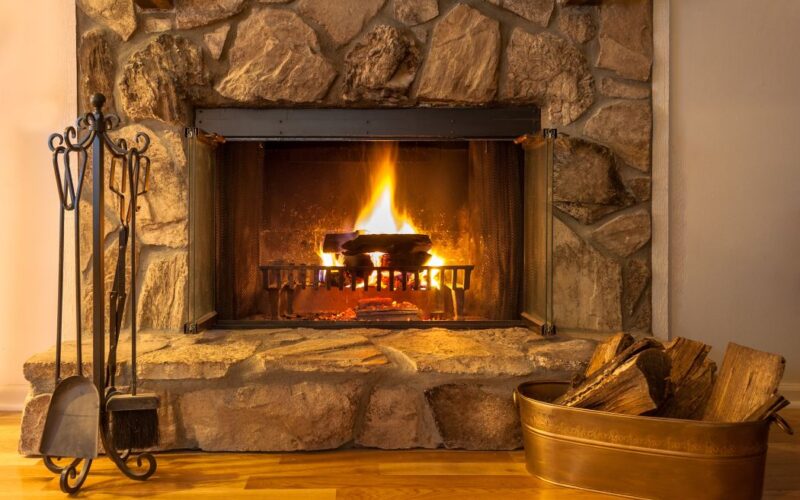
Similarly, stoves and fireplaces can contribute to indoor pollution by releasing particulate matter, volatile organic compounds (VOCs), and other pollutants that can affect respiratory health.
Humidity Levels
The type of heating system in a home can also influence indoor humidity levels. Hot water heat with radiators, not air ducts, tends to maintain a more consistent level of humidity, which can be beneficial for indoor air quality. In contrast, systems that produce dry heat, such as forced air systems, can lower humidity levels, potentially leading to dry air that irritates the skin, eyes, and respiratory tract.
Differences Between Specific Types of Heating Systems
Gas-Forced Air
Quick and efficient, these systems use natural gas furnaces to heat air and fans to blow the heated air through ducts running through walls and ceilings. Unfortunately, as air blows around, through, and out the vents of those ducts, it can spread dust and allergens. High-quality filters, duct cleaning, and regular filter changes are essential to maintain indoor air quality.
Hot Water Heat With Radiators
This system does not circulate air throughout the home, which can help maintain better air quality by minimizing the spread of airborne particles. But radiators themselves can become encrusted with dust and can be difficult to clean. Plus, hot water heating systems don’t humidify the air with the hot water they use to heat the home. Detecting when indoor air is too dry or too moist is still necessary with these kinds of systems.
Stoves and Fireplaces
While adding ambience, heating stoves vary in efficiency, and gas, wood burning, and pellet stoves and woodburning fireplaces can significantly affect indoor air quality by emitting particulates and gases. Ensuring proper ventilation and using EPA-certified models can help mitigate some of these issues.
The choice of home heating system has a direct impact on indoor air quality. By understanding the characteristics and potential air quality implications of different heating systems, homeowners can take steps to ensure their homes remain healthy and comfortable environments throughout the heating season.
FILE #: 180936344 By Carol A Hudson
|__________________________________________________________|
home remodeling surprise
find out where it might go - new win


Helpful article? Leave us a quick comment below.
And please share this article within your social networks.