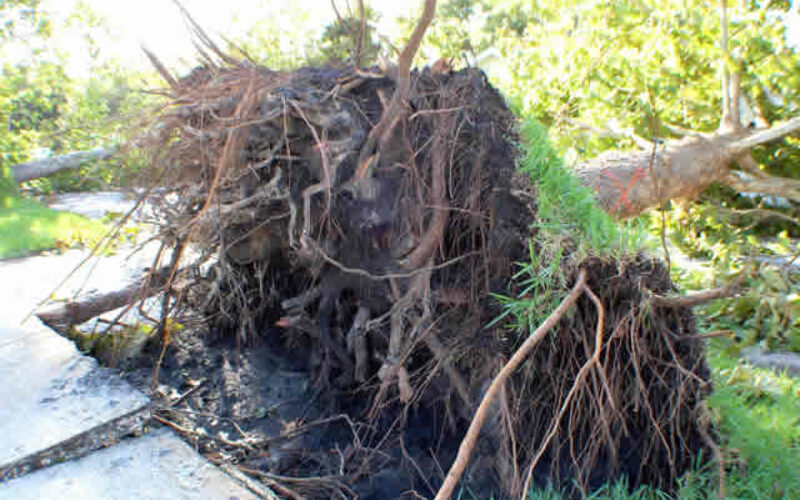
Here are some key steps you should take if a tree falls on your house.
Assess the Damage
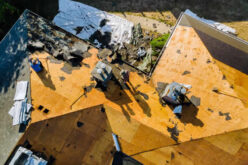
First and foremost, look for any visible damage that may have been caused by the fallen tree. Pay particular attention to the roof, windows, walls, doors, chimney, foundation, and other structural elements of your home.
If possible, check for signs of leaking water or other fluids inside the house as well. In addition to checking for visible damage, also check for signs of danger, such as broken power lines or gas leaks.

If you feel unsafe at any point during this process or if there is an immediate risk of further damage due to weather conditions (e.g., heavy rain), contact emergency services immediately.
Document Everything
Once you have assessed the damage and ensured that no one has been injured by the falling tree, document everything thoroughly using photos or video recordings if possible. This will be important if you plan to file an insurance claim later on.
Make sure to record all details about the incident including when it occurred, what type of tree fell, where it landed on your property (e.g., roof vs. lawn), and so forth.
Call Your Insurance Company
Once you have documented everything thoroughly, call your insurance company as soon as possible in order to start the claims process.
Provide them with all relevant information about the incident, including photos and videos from before and after it happened and any reports from emergency services personnel (if applicable).
Your insurance company will then assign an adjuster who will assess the damage and provide you with estimates for repairs and replacement costs related to the fallen tree incident.
Contact Professionals
After speaking with your insurance company and receiving estimates from them (if applicable), contact professionals such as arborists or roof repair service who can help repair/replace any damaged elements of your home safely and effectively.

Make sure to check references before hiring anyone—you want to make sure they have experience with similar projects in order to ensure a successful outcome.
Finally, don’t forget to remove any debris from around your home that may pose safety hazards due to tripping and falling risks; this includes fallen branches as well as pieces of wood from around your property that could become projectiles in high winds or heavy rainstorms.
Final Remarks
Dealing with a fallen tree can be incredibly stressful, but taking quick action is key in order to protect yourself and minimize damage done by fallen debris or leaking fluids inside your home.
other related articles of interest:
Emergency Roof Repair: 4 Steps to Take After a Tree Hits Your Roof in a Storm
Start by assessing the damage followed by documenting everything thoroughly before calling both emergency services (if necessary) as well as filing an insurance claim—this way you can recoup some costs associated with repairing/replacing damaged property elements due to a fallen tree incident while also maintaining safety protocols throughout every step of this process!
Most importantly—stay safe! And remember that even though dealing with a fallen tree isn’t fun now—the end result will be worth it once everyone is safe and sound at home again.
Find Roofing Services Roof Replace Roof Repair Roofing Other Gutter Systems top-rated, pre-screened local contractors FREE: download contractor selection enter zip code – powered by HomeAdvisor ™


Image credit: what to do if a tree falls on your house by envato.com
end of post … please share it!
| more photo remodeling |
Jump Over to Our Photo Analysis Center for Ideas on
"Renovating Home"
|__________________________________________________________|
home remodeling surprise
find out where it might go - new win


Helpful article? Leave us a quick comment below.
And please share this article within your social networks.