Assess the situation and take proper safety precautions before beginning any mitigation. If possible, protect items that can’t get wet by covering them with plastic sheeting or moving them above potential floodwater levels.
However, you should not waste time doing anything else unless you need to remove standing water or protect other valuables immediately. Here are some tips for getting the process started:
Contact your insurance company as soon as possible
Your policy should have a section on water damage and what to do when flooding occurs. Call them first to determine if they cover flood damage restoration costs and how much money you will be reimbursed for repairs needed to recover from the event.

Drain water
If there’s time, turn off the water supply at the main shut-off valve (remember: never turn it back on yourself; allow a professional plumber to do this task).
After that, ensure you drain your home of all standing water using fans, dehumidifiers, or wet/dry vacuum cleaners to prevent mold growth inside walls and cabinets that can cause structural issues later down the line, which require more extensive work for a professional contractor to fix.
Contact local contractors
Call local contractors to determine if they can help you with your flood restoration process and what kind of assistance they can provide. Ask how quickly they will start the job and how long it will take them to complete it.
If possible, hire one experienced in dealing with water damage emergencies so that the job gets done right the first time.
Hire a cleaning company
Hire a professional cleaning company located close by so that companies do not have to travel far to reach your home, which could cause further damage or loss of business warranty coverage.
Check your appliances
Make sure all appliances are unplugged before service professionals arrive so that no power surges occur during electrical testing and inspections for safety reasons when necessary. When appliances are inspected or tested, damage can be caused to them if they are plugged in at the same time.
When the flood cleanup has begun, remind your service provider of anything that might get overlooked due to the event’s magnitude, such as wall sockets and switches that need to be replaced after water damage restoration services have been completed.

some flood barriers to consider
Remove your items
Be sure to have all items removed from your home before cleaning professionals arrive. That will prevent further water damage during their work when moving or removing appliances or furniture from a house, since it might cause flooding in previously dry places.
Set up a place for storing your items
Ensure you have a safe and adequate place to store all personal belongings while cleanup is completed, so they do not become damaged by rainwater again if restoration is not yet complete.
Contact a mold removal contractor
When your home has been completely dried out, it’s important to call a mold removal contractor who can inspect for any signs of black or white toxic mold so that nothing gets missed, which could cause further health risks and structural damage over time if the problem is ignored.
Make arrangements with insurance companies and contractors before working on any repairs so all parties know what needs to be done and when to obtain the maximum benefits you are entitled to under your policy for flood restoration services.
Find Professional Services Abatement Services Junk Removal Site Preparation Recovery Services top-rated, pre-screened local contractors FREE: download contractor selection enter zip code – powered by HomeAdvisor ™

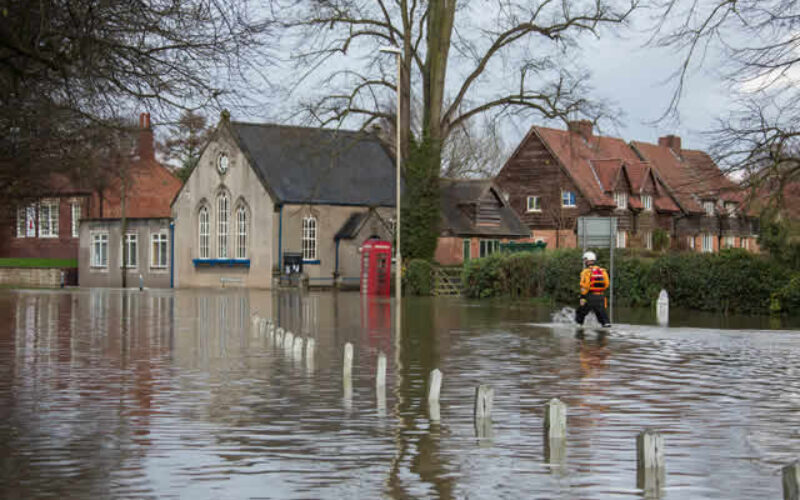
Image credit: flood damage restoration by envato.com
end of post … please share it!

|__________________________________________________________|
home remodeling surprise
find out where it might go - new win


Helpful article? Leave us a quick comment below.
And please share this article within your social networks.
.breaking-news {display: none !important;}