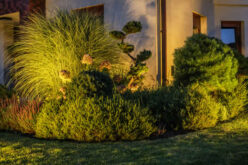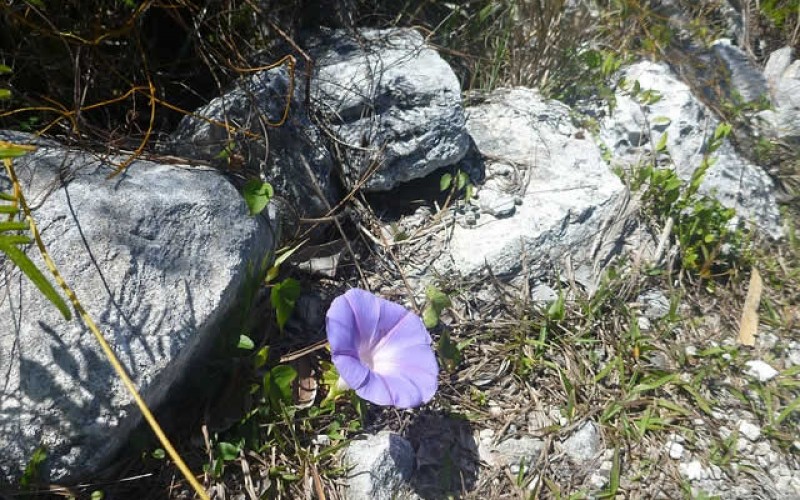
A drought-tolerant garden is usually easy to maintain and can be a cheaper alternative to traditional landscaping. By incorporating drought-tolerant plants, installing an efficient drip-irrigation system, and reducing water loss from multiple sources, homeowners can develop the drought-tolerant garden of their dreams.
- Incorporate Drought-Tolerant Plants
Drought-tolerant plants require minimal water to reach optimal growth. Many of these plants have built-in features to sustain their needs. Some examples of drought-tolerant plants include lavender, lady’s mantle, and Japanese bloodgrass. A few drought-tolerant vegetables and herbs selections include Jerusalem artichoke, rosemary, Swiss chard, oregano, and thyme.Shrubs and evergreens like arborvitae also require little supplemental water and, as a result, these plants are suitable in most cases except in periods of extreme drought. Plants that require a little more hydration than others should be grouped together to concentrate their moisture needs.
Artificial grass is another landscaping component that can survive without water. As an alternative to natural grass, this product will promote water conservation with minimal maintenance. Incorporating artificial grass into a lawn will save time, water, and money.
- Install a Drip-Irrigation System
Most drip-irrigation systems provide hydration to the plants by watering them less frequently. Because the drip-irrigation method is designed to slowly sprinkle the roots with water onto the soil surface or directly onto the root zone, the process may save water and fertilizer. These systems can reduce approximately 30 to 50 percent of water use. - Creatively Reduce Water Loss
One technique to reduce water loss in a drought-tolerant garden is to plant a few flowers in the shade as some plants can lose moisture from evaporation on hot days in the sun. Mulch is essential in preserving moisture; therefore, consider spreading about 2 to 3 inches of mulch between widely-spaced plants. Mulch will also prevent the growth of weeds in drought-tolerant gardens. Another technique to reduce water loss is to decrease the amount of grass. During extremely hot months such as June through August, grass can obtain tons of moisture.
You can get a PDF copy of this helpful checklist:
- Open PDF file: create a drought-tolerant garden with these techniques
Help us spread this article with a quick “comment/share” to your friends and family.
google+
|__________________________________________________________|
home remodeling surprise
find out where it might go - new win


Helpful article? Leave us a quick comment below.
And please share this article within your social networks.