Here are a few types of common roof damage and how to repair them.
Mold
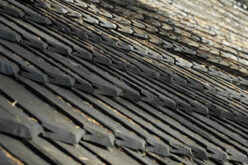
Moisture is the number one enemy to wood shingles and shakes because it is often the culprit behind most problems you may have with this type of roofing system. Do not allow leaves, needles or other moisture-attracting debris to sit atop your roof for an extended period of time. A common indicator of trouble is the presence of black spots or streaks. Black marks indicate that mildew is forming on your wood shingles, so it must be stopped as soon as possible. Scrub the affected shingles with a mixture of bleach, liquid detergent and hot water to kill all fungus and mildew.
Ice Dams
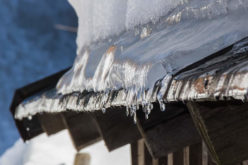
Ice dams occur when snowfall melts and refreezes at the edge of the roof, creating a dam where further snow melt will pool behind the ice dam. Over time, this pooling can lead to significant roof leaks, mold, and shingle damage. Since ice dams form as the result of warm air moving through your attic and roof, reducing the amount of heat escaping through the top of your home is the best approach to addressing ice dams. You can do so by ensuring your attic has proper insulation and ventilation, thereby reducing the heat that melts the snow and forms the dams.
Curled Shingles
Over time, as asphalt shingles age, they may begin to curl, crack or tear when exposed to harsh weather. If you notice a shingle curling, the easiest way to repair it is by using a caulking gun to apply roofing cement underneath the curled section of shingle. After applying the roofing cement, place a brick or other heavy object on top of it for twenty-four hours. This allows the roofing cement time to dry beneath the flattened shingle.
Water Damage
No matter what kind of roofing system you have on your home, it is important that your roofer installs a high-quality roofing membrane to protect your roof from leaks and water damage. Water has a way of sneaking into any vulnerable spots on your roof, especially around chimneys, gutters and dormers. Flashing is helpful, as well, and should be used in addition to an epdm roofing membrane.
Blisters
Rolled roofing is a popular choice for flat roofs, but it is not uncommon to develop bubbles or blisters in a rolled roofing system. When this happens, use a utility knife to slice the blister down the middle. After cutting it, make sure the area is dry before applying roofing cement inside the sliced area. Apply pressure to flatten it , then drive roofing nails along each edge. It is a good idea to dab additional roofing cement over the heads of the nails, as well.
|__________________________________________________________|
home remodeling surprise
find out where it might go - new win


Helpful article? Leave us a quick comment below.
And please share this article within your social networks.