Quick Answer:
Key Takeaways
- Seasonal maintenance can reduce the food, moisture, shelter, and entry points pests need.
- Spring and summer often increase outdoor insect activity, while fall and winter can bring rodents and overwintering pests closer to the home.
- Quick inspections can reveal leaks, torn screens, clutter, damaged seals, and gaps around utilities.
- Accurate identification and targeted prevention are usually better starting points than routine, broad pesticide use.
- Persistent activity, damage, or an unidentified pest may justify a professional inspection.
Pointe Pest Control provides information on inspections and common household pests, including ants, rodents, spiders, roaches, bed bugs, mosquitoes, and wasps, helping residents understand their options when pest activity requires professional attention.
The most effective approach is not a one-time treatment but a year-round routine that limits food, water, shelter, and entry points before pests become established indoors.
Combining regular home maintenance with professional guidance when needed can help Indianapolis homeowners manage changing pest risks throughout the seasons.
- post content
- Why Seasonal Planning Matters in Indianapolis
- Winter: Check Hidden Entry Points
- Spring: Stop Pests Before They Spread
- Summer: Control Moisture and Outdoor Pest Pressure
- Fall: Keep Rodents and Insects Outside
- A Simple Seasonal Home Inspection
- When Do-It-Yourself Pest Control Makes Sense
- When to Call a Pest Control Professional
- FAQs
- conclusion
Why Seasonal Planning Matters in Indianapolis
Temperature, rainfall, and humidity can change where pests feed, breed, and seek shelter. A problem that shows up in a kitchen or basement may begin outside, near damp mulch, overflowing gutters, stored firewood, birdseed, or a small exterior gap.
The integrated pest management approach provides a practical framework: monitor activity, identify the pest, prevent access and favorable conditions, and then choose the least-disruptive, effective control.

Winter: Check Hidden Entry Points
Cold weather makes protected indoor spaces more attractive to mice and other pests. Winter is also a convenient time to inspect areas that are easier to overlook when landscaping and outdoor projects take priority.
-
Winter Checklist
- Inspect door sweeps, window frames, vents, pipes, utility lines, and garage seals for openings.
- Look in attics, basements, crawl spaces, and garages for droppings, gnawing, or nesting material.
- Store pet food, birdseed, and pantry staples in durable sealed containers.
- Reduce cardboard piles, paper clutter, and unused storage near walls.
- Repair damaged screens and worn weatherstripping.
Spring: Stop Pests Before They Spread
As the weather warms, ants, spiders, and stinging insects may become more noticeable around foundations, porches, gardens, and eaves. Walk the exterior and seal accessible cracks, trim branches away from the structure, clean gutters, and direct downspouts away from the foundation.
Remove damp leaf piles and decaying wood near the home, then watch for repeated trails, shed wings, nests, or activity in multiple rooms. One insect does not always signal an infestation, but repeated signs deserve closer inspection.
Summer: Control Moisture and Outdoor Pest Pressure
Summer pest prevention centers on water, food, and open access. Empty water from buckets, toys, plant saucers, and other containers. Repair dripping faucets and hose connections, keep screens closed, clean food spills promptly, and keep trash containers away from doors when practical.
Managing standing water, leaks, food scraps, and screen damage aligns with the EPA’s smart pest control guidance to reduce pest-friendly conditions around a home.
Fall: Keep Rodents and Insects Outside
Fall maintenance can reduce the chances of pests finding a route indoors as outdoor conditions become less comfortable. Seal exterior gaps, clear leaves from gutters and window wells, and keep firewood elevated and away from the house.
Check the garage and basement for odors, droppings, or scratching sounds, and keep garage doors closed when not in use. A mouse seen in an Indianapolis kitchen in October may have entered through a small opening near a utility line that went unnoticed earlier in the year.
A Simple Seasonal Home Inspection
A useful inspection takes about 20 to 30 minutes and works best when repeated each season. Start outside by checking the foundation, roofline, doors, windows, drainage areas, and exterior storage.
Then look for access points such as loose siding, cracked caulk, torn screens, and gaps around pipes. Inside, inspect moisture-prone rooms, pantries, pet areas, trash storage, laundry spaces, and utility rooms.
Record droppings, nests, shed skins, damaged materials, live pests, and the date or location of each sign.
When Do-It-Yourself Pest Control Makes Sense
Minor, clearly identified problems may respond to cleaning, exclusion, traps, or carefully selected products. Read the full label, never use an outdoor pesticide indoors, and avoid mixing products or applying more than directed.
Place traps and bait stations where children and pets cannot reach them. Target the affected area instead of treating an entire room when a targeted approach will do, and keep a record of product names and application dates.
When to Call a Pest Control Professional
Professional guidance can be useful when pests continue after sanitation and sealing efforts, when the source appears to be behind walls or under floors, or when there are signs of rodents, termites, bed bugs, or a large nest.
Before hiring, ask how the pest will be identified, what prevention steps are recommended, which products may be used, how residents should prepare, and what follow-up is available.
Common Questions About Seasonal Pest Prevention
-
How often should a homeowner inspect the property?
Complete a quick check each season, plus after heavy rain, remodeling, major landscaping work, or unusual pest activity.
-
Can cleaning alone solve a pest problem?
Cleaning removes food and shelter, but it may not resolve activity caused by entry gaps, hidden nesting sites, or nearby breeding areas.
-
Are natural pest control products always safer?
No. Natural does not automatically mean risk-free. Any pest-control product should be stored safely and used exactly as its label directs.
A Cleaner Plan for Every Season
Pest prevention works best as a repeating home-care routine. By checking for moisture, clutter, food sources, and small openings throughout the year, Indianapolis homeowners can address many common conditions before they develop into larger concerns.
When activity continues or identification is uncertain, a qualified local professional can help create a more focused plan.
home improvement ideas to consider (complete directory – new win):


Find Pest and Environmental Services Pest Control Lead-Mold-Radon Recovery Services Water Softening top-rated, pre-screened local contractors FREE: download contractor selection enter zip code – powered by HomeAdvisor ™


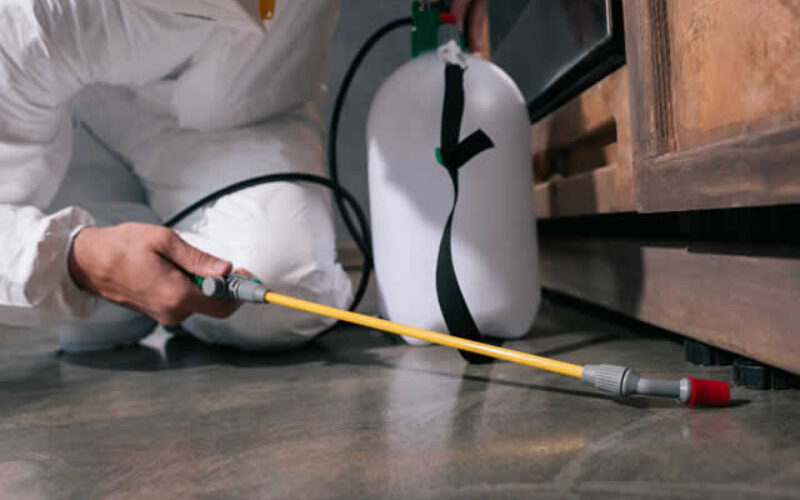
Image credit: pest prevention plan by envato.com
end of post … please share it!
| more photo remodeling |
Jump Over to Our Photo Analysis Center for Ideas on
"Renovating Home"
|__________________________________________________________|
home remodeling surprise
find out where it might go - new win


Helpful article? Leave us a quick comment below.
And please share this article within your social networks.