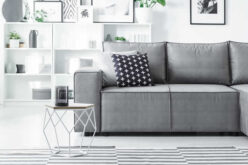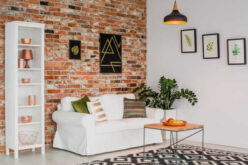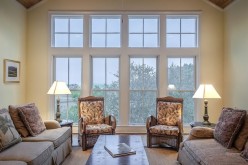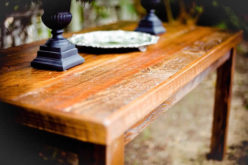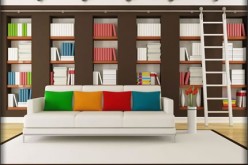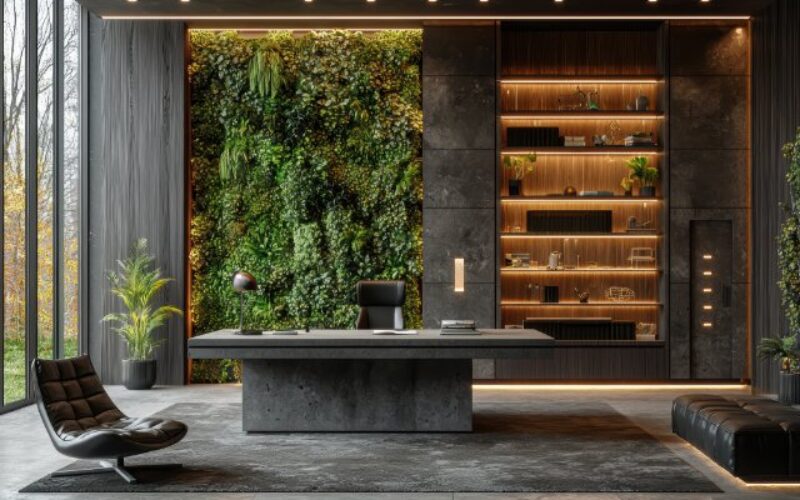
You can mix and match wood, metal, glass, or upholstery, but it does take some planning so the room doesn’t look disconnected. Here are several ways to bring different furniture materials into one room without making the space look random.
Pick One Material to Lead the Room
When you combine several materials in one space, one of them needs to lead. If wood, metal, and glass all compete for attention at the same volume, the room starts to look busy instead of layered. Choose the material you have the most of already, usually wood if you’ve got flooring or existing furniture, and let everything else support it. A wood dining table paired with metal chairs works because the wood is the anchor and the metal is the accent, not the other way around.
Let Small Details Do Heavy Lifting
Sometimes, the small details are what make combining materials really work. For example, wood comes in different grain types. Some grain patterns compliment different metals or fabrics better than others. A tight, straight grain sits next to sleek chrome or brushed steel because both surfaces read as clean and controlled. Another example of this is metal finish, since a brushed or matte metal blends into a room quietly while a polished or glossy metal catches light and pulls focus, so the finish you pick changes how loud that material feels next to everything else.
Match Undertones Instead of Colors
Furniture materials don’t need to be the same color to work together, but they do need compatible undertones. Warm wood tones with yellow or orange undertones clash with cool metals like chrome or stainless steel. Instead, pair warm wood with brass, gold, or copper hardware. If your wood leans cooler, gray-toned oak or ash, cool metals like nickel or steel blend in without a fight. Check undertones in natural light before finalizing a pairing, since indoor lighting can hide clashing tones until the piece is already home.
Repeat Materials At Least Twice
A material that shows up once in a room looks like an accident. A material that shows up twice looks planned. If you introduce black metal legs on a coffee table, bring black metal back somewhere else, maybe on a lamp base or a picture frame. This repetition ties the room together without forcing every piece to match. Three or more repetitions of the same material start to feel like a set, so two is usually the number that keeps things varied but cohesive.
Balance Heavy Materials With Lighter Ones
Wood and stone have more visual weight. Glass and metal look lighter. A room full of only heavy materials feels dense and closed in, while a room full of only light materials can feel unstable or cold. Pair a solid wood dresser with a glass-top side table, or a stone coffee table with metal-framed chairs. This kind of contrast gives your eye a place to rest between the denser pieces and keeps the whole layout from feeling like one solid block.
Use A Neutral Material as a Buffer
When two materials don’t naturally pair well, a third neutral material can bridge them. Upholstery in a plain linen or cotton often works as that buffer. If you have a dark wood table and bright chrome chairs that feel too sharp together, a linen-upholstered bench between them softens the transition. Neutral textiles don’t compete with wood grain or metal finish, so they let both materials keep their character while easing the visual jump from one to the other.
Keep Hardware Finishes Consistent
Hardware finish is one of the easiest details to overlook, and one of the fastest ways to make a room look unplanned. Cabinet pulls, drawer handles, lamp fittings, and picture frame edges all count as hardware in this context. If your dining chairs have brass legs but your side table has nickel legs, the mismatch pulls the eye in two directions. Picking one metal finish for hardware across the room, even when the furniture materials themselves vary, keeps the room visually connected.
Let Texture Vary Even When Color Doesn’t
Two materials in the same color family can still look different enough to matter if their textures contrast. A smooth glass tabletop next to a woven rattan chair creates variety even if both are neutral in color. This texture contrast prevents an all-neutral room from looking flat. When you’re combining materials, check texture as closely as you check color, since a room with only smooth surfaces or only rough ones can feel one-note regardless of the material mix.
Group Similar Materials in Zones
Instead of scattering every material evenly through a room, cluster similar materials into small zones. A reading corner might lean heavily on wood and leather, while a nearby bar cart area leans into metal and glass. Zoning lets each material fully express itself in its section instead of getting diluted across the whole room. The room still feels organized because each zone has its own logic, even though the overall space mixes multiple materials.
Test Pairings With Small Swaps First
Before committing to large furniture purchases, test material pairings with small, low-cost items. A metal tray on a wood table, a glass vase next to a leather chair, or a woven basket beside a marble surface lets you see how two materials work together in the room. This kind of testing catches clashes early, before you’ve spent money on a full-size piece that doesn’t fit the room the way you pictured it.
Mix Materials Without Making a Mess
Furniture doesn’t need to match from one piece to the next. In fact, mixing materials can give a room far more character than buying every item from one matching set. The best tips for combining furniture made from different materials come back to connection. Give different pieces at least one reason to belong in the same room, whether that connection comes from shape, finish, or visual weight. With a little planning, wood can sit beside metal or fabric without the room looking pieced together.
Image Credentials: Somboon, 1259698287
end of post … please share it!

| more photo remodeling |
Jump Over to Our Photo Analysis Center for Ideas on
"Renovating Home"
|__________________________________________________________|
home remodeling surprise
find out where it might go - new win


Helpful article? Leave us a quick comment below.
And please share this article within your social networks.