
Imagine walking into your kitchen on a hot morning and seeing a cloudy patch on the window. A few hours later, the glass is clear again. Then, during another heat wave, you notice the same thing on a bedroom window. Why does this keep happening?
If you’re wondering why your windows fog up in the summer, it usually happens when moisture in the air hits a surface that’s cool enough for condensation. Knowing where to look can help you understand what your windows are trying to tell you.
Start With Where the Fog Appears
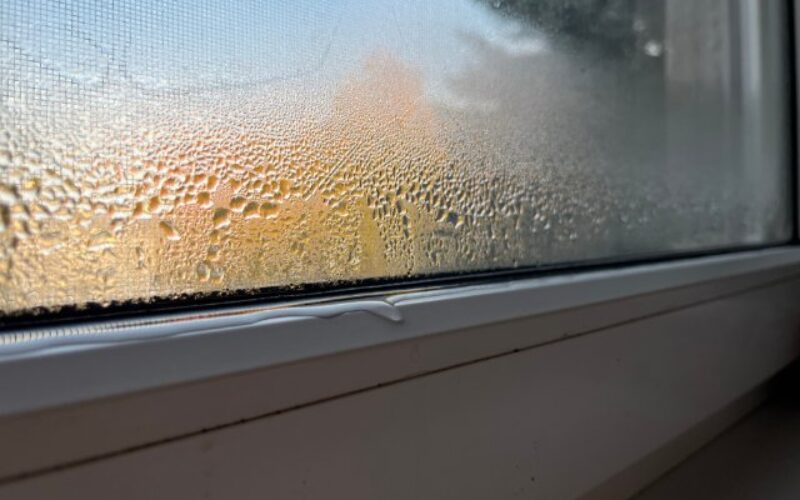
Before you grab a towel, check which side of the window is wet. If the condensation is on the outside, it often happens when humid air outside touches glass that’s been cooled by your air conditioner. This is common on muggy mornings, especially after a cool night. As the day warms up, sunlight usually dries the glass.
If you see fog on the inside of the window, it usually means the humidity in your home is too high. The glass gets cool enough for moisture in the air to settle on it.
Moisture trapped between the panes is a different issue. Since you can’t wipe it off from either side, it probably means there’s a problem with the window’s seal, not just regular condensation.
Outdoor Fog Means Your Windows Are Staying Cool
Just because you see condensation on the outside doesn’t mean your windows are broken!
Your air conditioner cools the inside of the glass. Insulated windows slow down heat moving through, so the outside pane can stay cooler than the humid air outside. When that air hits its dew point on the glass, water droplets form.
This often happens early in the day. After a cool night, outdoor humidity is still high and the sun hasn’t warmed the window yet. As the glass heats up later, the moisture goes away.
If the fog is only on the outside and disappears as the day gets warmer, you probably don’t need to fix anything. In fact, exterior condensation can be a sign that your insulated windows are working well to keep cool air inside.
Indoor Fog Points to Too Much Moisture
Fog on the inside of your windows is worth paying attention to. While your AC cools the glass, daily activities like cooking or showering add moisture to the air. When that humid air hits the cool glass, condensation appears. This effect is even more noticeable in summer because your cooling system makes the temperature difference between inside and outside bigger.
You might first see this near a bathroom after someone showers. Bedrooms can get condensation overnight from people breathing in a closed room. Cooking can also add moisture near kitchen windows.
Wiping the glass gets rid of the water you see, but it doesn’t fix the humidity problem that causes it.
Your AC Plays a Bigger Role Than You Think
Air conditioners also take moisture out of the air as they run. Problems can happen if the system cools your home too fast. For example, if your AC is too big, it might reach the set temperature and turn off before it removes enough humidity. The room feels cool, but the air still feels damp.
This is often why your home feels humid even when the AC is on. Your windows can show problems that the thermostat doesn’t. Turning the temperature down more usually doesn’t fix the real issue. It’s better to ask why the humidity is high in the first place.
Everyday Habits Add More Humidity Than You Expect
Your home makes moisture all day long. Steam from cooking can spread to other rooms, and drying clothes inside adds moisture to the air. These things don’t always cause window problems, but they can overwhelm poor ventilation.
Turn on the bathroom exhaust fan during a shower and leave it running for a bit afterward. If you dry clothes inside, try to improve airflow around where they hang. These small changes can help more than just wiping the windows and waiting for the fog to come back.
Air Leaks Bring Summer Humidity Inside
Not all indoor moisture comes from inside your home. Humid air from outside can get in through gaps around windows and doors. If the frames aren’t sealed well, that air can more easily reach cool surfaces and cause condensation.
Check the windows that fog up the most. With the AC on, feel around the frame for drafts. Damaged caulk outside can let air and moisture in. If you notice the problem in one area, look at nearby doors too.
Between-Pane Fog Means Something Different
Double-pane and triple-pane windows have sealed spaces between the layers. If a seal fails, moisture can get in and make the window look cloudy. At first, the haze might come and go as the temperature changes, but over time, the window can stay cloudy for longer.
Try wiping both sides of the glass to see where the haze is. If it doesn’t go away, the moisture is probably stuck between the panes.
Common warning signs include:
- A cloudy area that will not wipe away
- Fog that repeatedly returns inside the same pane
- Mineral marks visible between the layers
- One hazy window surrounded by clear ones
- Cloudiness that changes with outdoor temperatures
If the seal is broken, you’ll usually need to replace the glass unit or sometimes the whole window.
Poor Ventilation Lets Moisture Hang Around
A tightly sealed home keeps cool air in and can save energy. But without good ventilation, it can also trap moisture inside. Begin by checking the rooms where condensation keeps coming back.
For example, a bathroom exhaust fan should send damp air outside, not just move it around. Run the fan regularly for a few days and watch the window. If you see less condensation, poor ventilation might be part of the problem.
Know When Summer Fog Deserves a Repair
If you see fog on the outside of your windows that goes away after sunrise, it’s usually nothing to worry about. But if you keep getting condensation on the inside, it’s worth looking into. Once you know why your windows fog up in summer, you can use the glass as a helpful clue instead of seeing it as a mystery.
A bit of outside condensation on a humid morning is normal, but ongoing indoor moisture needs attention, especially if your home still feels damp and sticky.
Image Credentials: Siti Fatonah, 1764274807
|__________________________________________________________|
home remodeling surprise
find out where it might go - new win


Helpful article? Leave us a quick comment below.
And please share this article within your social networks.