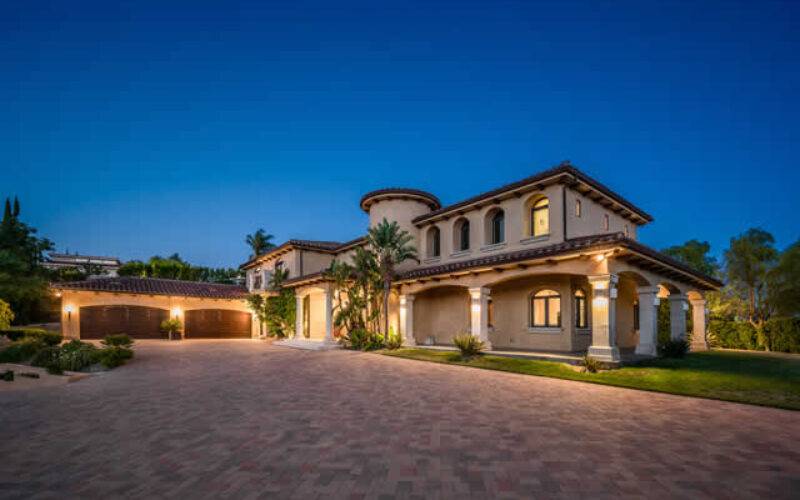
The most compelling properties combine thoughtful architecture with dependable systems and spaces that work equally well for quiet mornings, family time, entertaining, and remote work.
For perspective on the expectations surrounding top-tier Southern California estates, Beverly Hills CA real estate experts Aaron Kirman Group represent buyers and sellers across Beverly Hills, Bel Air, Los Angeles, Malibu, and nearby luxury communities.
The Aaron Kirman Group website features high-end listings, market insights, and specialized real estate services, making the team a useful reference point for understanding the privacy, design, and lifestyle considerations that shape this segment of the market.
Why Luxury Home Preferences Are Changing
A large home can still feel inconvenient if bedrooms lack separation, entertaining areas are disconnected, or controls require a specialist to operate. Buyers are placing greater emphasis on materials that age well, rooms with a clear purpose, and details that reduce friction throughout the day.
They are also interested in thoughtful layouts that promote ease of movement and functionality. Additionally, smart home features that simplify daily routines are becoming increasingly popular, making a home more convenient and enjoyable to live in.
Privacy Is A Core Feature
Privacy extends beyond systems like gates, alarms, or cameras. It begins with the lot’s layout: orientation, setbacks, driveway, landscaping, window placement, and sound management. In Beverly Hills and Bel Air, buyers may prioritize discreet arrival areas and protected views.
Brentwood and Pacific Palisades might focus on minimizing traffic noise and maintaining sightlines, while Malibu emphasizes coastal vistas and outdoor living spaces.
Important privacy features include controlled visitor access, secure package delivery, layered landscaping, separation of bedroom wings from entertaining zones, and soundproofing in offices and guest rooms. A home should feel open and filled with light, not closed off or difficult to navigate.
Wellness Spaces Move Into The Mainstream
Buyers increasingly assess whether a home supports sleep, movement, recovery, and mental quiet. A well-designed gym with daylight, a sauna or steam shower, a reading room, a yoga area, and bedrooms with blackout shades can all add value when they fit naturally into the home.
More fundamental improvements, including effective ventilation, clean water systems, and carefully planned lighting, may matter more than a highly specialized feature.
Smarter Design Beats More Technology
The strongest smart-home systems solve clear problems without overwhelming the owner. Climate zones, lighting scenes, access controls, shades, leak detection, and security monitoring can be valuable when controls are simple and documentation is complete.
Technology should support the house, not become another maintenance project.
- Smart climate control:
Confirm that individual zones can be adjusted easily. - Security cameras:
Ask who owns the data, where it is stored, and whether accounts transfer at closing. - Smart locks:
Check manual access options and operation during an internet outage. - Automated shades:
Verify service availability, replacement parts, and control compatibility. - Whole-home audio:
Determine whether future upgrades require costly rewiring or subscriptions.
Outdoor Living Adds Daily Value
In Southern California, exterior space is part of the home’s daily living area. Covered dining, a functional outdoor kitchen, a pool and spa, fire features, gardens, shaded lounges, and outdoor work areas can make a property feel larger and more livable.
The key is connection. A beautiful patio that receives harsh afternoon sun, lacks shade, or sits far from the kitchen may see little use.
During a showing, consider circulation, drainage, privacy, irrigation, pool equipment, wind exposure, and nighttime lighting. Landscaping should complement the architecture without creating a burdensome maintenance routine.
Flexible Layouts Support Modern Households
Luxury buyers often need a home to serve several roles at once. Guest suites may become offices, a theater may become a playroom, and a detached studio may function as a gym, workspace, or creative room.
Multiple bedroom suites, independent entrances, two quiet offices, separate guest quarters, and discreet service areas can support multigenerational living, visiting family, staff, and changing work arrangements.
A Practical Buyer Checklist
- Study the setting.
Note privacy, views, traffic noise, sunlight, and nearby construction. - Test the layout.
Walk the routes between bedrooms, kitchen, garage, offices, and outdoor areas. - Review core systems.
Ask about HVAC, water, power backup, security, and smart controls. - Inspect exterior spaces.
Evaluate shade, drainage, usable lawn, equipment, and maintenance needs. - Understand expenses.
Request utility, landscaping, pool, insurance, and subscription information. - Verify records.
Review permits, warranties, inspections, disclosures, and renovation documentation.
What Sellers Can Learn From These Trends
Sellers do not need to install every new luxury feature before listing. More often than not, the best preparation is making the home easy to understand. Remove visual clutter, improve lighting, refresh landscaping, repair visible wear, and organize instructions for every smart system.
Clearly show how a flexible room can function as an office, guest suite, gym, or studio. Buyers respond to a polished home that feels useful, private, and ready to enjoy.
Common Questions About Luxury Homes In 2026
What Features Matter Most To Luxury Home Buyers In 2026?
Privacy, quality construction, wellness-minded details, usable outdoor space, adaptable layouts, and technology that works simply are among the most widely appealing features.
Do Smart Home Features Increase A Property’s Value?
They can improve appeal when they are current, well-maintained, and easy to transfer. Outdated systems, unclear data access, and recurring fees may instead create buyer concerns.
Are Wellness Features Worth The Cost?
They are most valuable when they suit the property and serve everyday habits. Good air quality, natural light, quiet bedrooms, and a practical fitness area usually have broader appeal than highly personal additions.
Should Buyers Focus On Design Or Location?
Location comes first because it cannot be changed. Evaluate privacy, access, views, noise, and surroundings before deciding whether the home’s design can be updated to suit your lifestyle.
Conclusion
Luxury in 2026 is not about adding the most features. It is about creating a home that feels private, healthy, calm, flexible, and easy to manage. Buyers should look past first impressions to assess how the property performs in daily life, while sellers should highlight the qualities that make a home genuinely comfortable for the long term.
Image credit: what luxury home buyers want by envato.com
end of post … please share it!

|__________________________________________________________|
home remodeling surprise
find out where it might go - new win


Helpful article? Leave us a quick comment below.
And please share this article within your social networks.