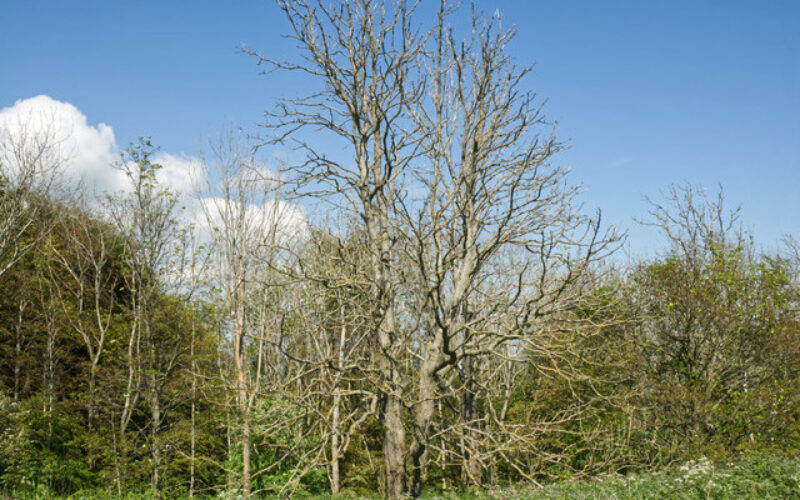
However, drought conditions can stress trees, making them more susceptible to diseases and pests. Continue reading for a quick guide to taking care of your trees during a drought.
Watering Strategies
Effective watering is essential during a drought, as it ensures that your trees receive the moisture they need without wasting precious water resources. The best time to water your trees is early in the morning or late in the evening when temperatures are cooler, and evaporation rates are lower.
Deep watering is key, as it encourages roots to grow deeper into the soil, making them more resilient. Aim to water slowly and deeply, allowing the moisture to penetrate at least 12 inches into the soil. This method conserves water and promotes healthier root systems.
Mulching
Mulching is a powerful tool in tree care, especially during droughts. A good layer of mulch helps retain soil moisture, reduces temperature fluctuations, and suppresses weed growth. To apply mulch properly, spread a layer about 3 to 4 inches deep around the base of the tree, extending out to the drip line.
Be sure to keep the mulch away from the tree trunk to prevent rot and pest infestations. Organic mulches, such as wood chips or bark, are particularly effective as they decompose over time, adding nutrients back into the soil.
Pruning
Pruning during a drought may seem counterintuitive, but it plays a crucial role in maintaining tree health. Removing dead or diseased branches reduces stress on the tree and helps conserve its energy. However, it’s important to prune judiciously and avoid excessive cutting, which can further stress the tree.
The best time to prune is typically in late winter or early spring when the tree is dormant and less vulnerable to stress. Use clean, sharp tools to make precise cuts that promote healing.
Fertilization
While fertilization is not always necessary during a drought, it can support your trees’ health if done correctly. Fertilizers provide essential nutrients that help trees recover from stress and encourage growth. Choose a slow-release, balanced fertilizer that provides a steady supply of nutrients without overwhelming the tree.
Apply it in the fall or early spring, following the manufacturer’s instructions to avoid over-fertilization, which can damage the tree’s roots. A well-fertilized tree is more likely to withstand the challenges of drought.
Understanding how drought affects trees can make all the difference in their survival and vitality. This quick guide to taking care of your trees during a drought proves that ongoing care is essential, and a little attention now will pay off with healthier, more beautiful trees in the long run.
Start making these practices a part of your routine and watch your landscape thrive even in the most challenging conditions.
Image credit: by envato.com
end of post … please share it!
Image Credentials: By nickos, 441135363
|__________________________________________________________|
home remodeling surprise
find out where it might go - new win


Helpful article? Leave us a quick comment below.
And please share this article within your social networks.