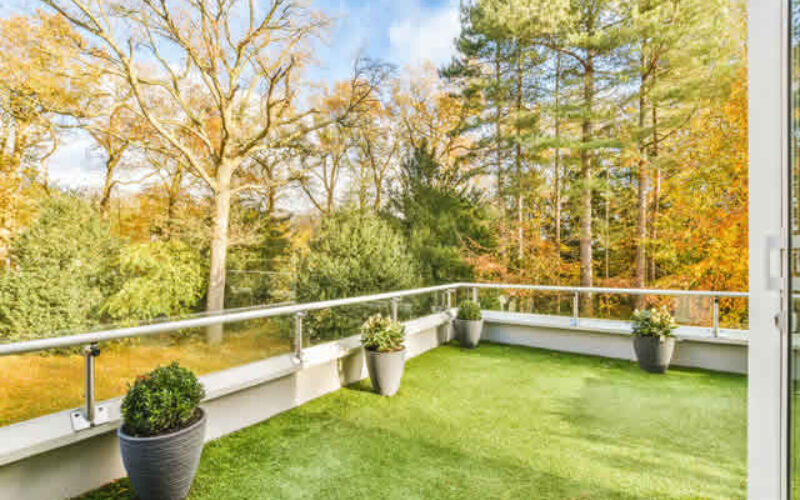
As you gaze upon densely populated regions, you will frequently encounter concrete jungles, a seemingly endless sprawl of grey.
However, the evolution of residential architecture is set to rekindle the bond with nature, and surprisingly, synthetic lawns or artificial turf in Utah are at the forefront of this transformation.
Why Synthetic Lawns?
Synthetic lawns are crafted from artificial grass that mirrors the look and feel of natural grass. It is an innovative solution that addresses the growing need for green spaces within residential areas.
By implementing synthetic lawns in urban homes, you can optimize the use of space and reap numerous ecological and practical benefits.

Low Maintenance, High Rewards
Synthetic lawns require less maintenance than their natural counterparts. There’s no need for mowing, watering, or fertilizing, saving time and resources.
Additionally, these lawns are resistant to pests, preventing the use of harmful pesticides. As a long-term investment, synthetic grass is cost-effective due to its durability and minimal upkeep needs.
Year-round Green
Residents in states with diverse weather conditions, like Utah, will particularly benefit from synthetic lawns. Utah is known for its dramatic landscape changes throughout the year, with scorching summers and snowy winters.
Unlike natural grass, which can struggle in extreme temperatures, synthetic grass remains lush and verdant year-round. This enhances the aesthetic appeal of homes and promotes an always-spring ambiance.
Bridging Architecture and Ecology
Using synthetic lawns in residential architecture bridges the gap between urban living and ecological responsibility. In Utah, where water conservation is critical due to its arid climate and growing population, synthetic grass is a practical alternative to natural lawns.
These lawns require no water, contributing significantly to conservation efforts and aligning residential living with sustainability goals.
Moreover, these lawns can reduce the urban heat island effect, where urban areas become significantly warmer than rural ones. Unlike concrete surfaces, these lawns do not absorb heat, mitigating the increased temperatures.
Aesthetics that Resonates with Modern Lifestyles
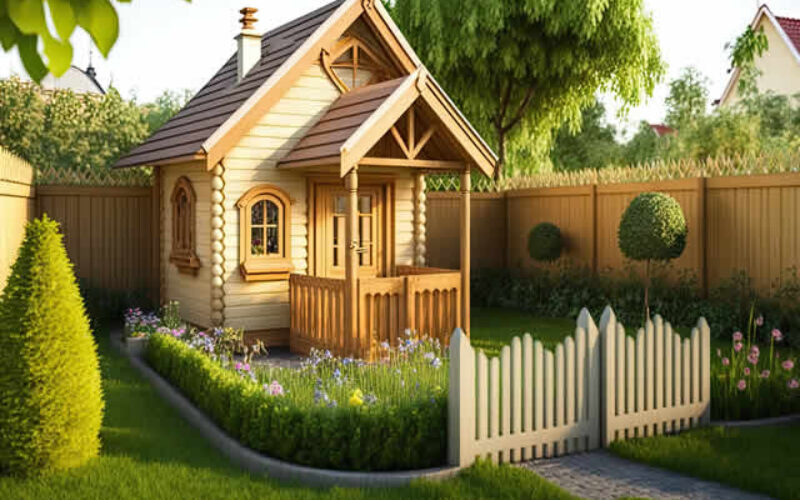
Utah, with its blend of desert landscapes and alpine forests, is a state that thrives on the balance of contrasts. Similarly, modern residential architecture is about harmonizing the old and the new, the natural and the man-made. Synthetic lawns allow for the seamless incorporation of green spaces in homes without compromising modern aesthetics.
These lawns can be custom-fit for any size or shape, providing architects and homeowners with a versatile design element. Whether used in rooftop gardens or interior courtyards, synthetic lawns add a touch of nature that elevates the overall residential design.
other related articles of interest:
Envisioning a Green Future
The future of residential architecture seems to be veering away from the coldness of concrete jungles and steering towards a more balanced, nature-inspired approach. Artificial turf in Utah plays a crucial role in this transformation, blending practicality and aesthetics.
Synthetic lawns provide a solution in Utah, a state renowned for its urban innovation and dedication to conserving natural landscapes, by harmonizing these two principles. Adopting ecologically friendly and aesthetically pleasing solutions can shape your homes and neighborhoods into greener, more sustainable spaces.
Find Yard n’ Garden Services Landscape Design Sprinkler Systems Metal Work Water Features Gazebos Play Equipment Outbuildings Fences top-rated, pre-screened local contractors FREE: download contractor selection enter zip code – powered by HomeAdvisor ™


Image credit: implementing synthetic lawns by envato.com
end of post … please share it!
| more photo remodeling |
Jump Over to Our Photo Analysis Center for Ideas on
"Renovating Home"
|__________________________________________________________|
home remodeling surprise
find out where it might go - new win


Helpful article? Leave us a quick comment below.
And please share this article within your social networks.