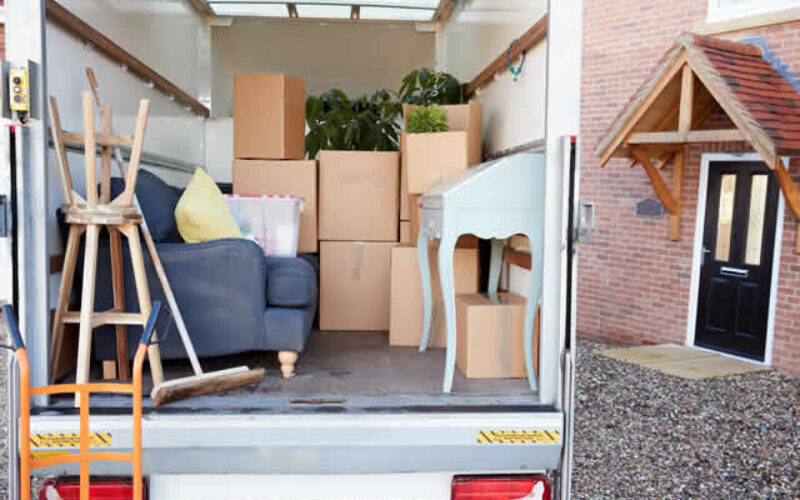
Whether you’re in West Palm Beach or somewhere else, getting ready for a state-to-state move can be tough. West Palm Beach, though beautiful and pleasantly sunny, can be a little expensive to live in for many people, so moving to another state for more affordable housing or a better career opportunity may be worth it.
However, if you’re feeling a bit overwhelmed about moving, don’t worry; we’ve got your back with our top 11 expert preparation tips to make this big life change easier for you.
- post content
- 1. Planning and Budgeting
- 2. Selecting a Reputable Moving Company
- 3. Decluttering and Downsizing
- 4. Packing and Labeling
- 5. Preparing an Essentials Box
- 6. Addressing Vehicle Transportation
- 7. Ensuring Pet Care and Comfort
- 8. Establishing Contingency Plans
- 9. Address Changes and Utility Transfers
- 10. Emotional Preparation
- 11. Community Integration
- conclusion
- view key:collective notes
- side idea:landscaping planning and design
1. Planning and Budgeting:
Planning well in advance is one of the most critical aspects of any move. Start by creating a moving timeline and setting a realistic budget. This will help you avoid unexpected costs and last-minute complications.
Make a list of all the tasks you must complete before moving day, such as changing your address, updating your insurance, and organizing utilities at your new home. Allocate enough time for each task and consider potential obstacles that may arise.
By having a well-structured plan and budget, you’ll be prepared to handle any unexpected situations and keep your moving expenses under control.
2. Selecting a Reputable Moving Company:
According to Livingcost.org, West Palm Beach is in the top 2 percent of the most expensive cities across the globe. In that case, moving to another city or state may be a good choice, but you should hire a reputable moving company to ensure your relocation goes smoothly.

So, research various West Palm Beach state-to-state movers to find one that fits your needs. Evaluate their credentials and customer reviews to make an informed decision. Verifying factors such as the mover’s USDOT number and Better Business Bureau rating is crucial to select a trustworthy company.
3. Decluttering and Downsizing:
Before packing, consider decluttering and downsizing your belongings. You can save time, money, and space in the moving process.
Go through each room and decide what items are worth keeping, donating, or discarding. Remember, the less you have to move, the easier your relocation will be.
Create a system to categorize your items – for instance, label boxes or containers with different colors or symbols to indicate whether they’re for keeping, donating, or throwing away.
4. Packing and Labeling:
Packing can be a time-consuming and challenging aspect of long-distance moving. A systematic and organized approach to packing can minimize the risk of damage or loss of belongings during transit.
By carefully packing fragile items, using high-quality packing materials, and labeling boxes, individuals can ensure a more efficient unpacking process in their new homes.
5. Preparing an Essentials Box:
Start packing as early as possible, focusing on items you rarely use first. Invest in high-quality packing materials and sturdy boxes to protect your belongings. Label every box with what you’ve placed inside it and the room it belongs in to make unpacking more manageable.
Pack fragile items with bubble wrap, packing paper, or even towels and blankets to provide extra cushioning. Don’t overpack boxes to avoid damage during transport. Keep track of everything you packed by creating a paper or digital inventory so you don’t lose anything.
6. Addressing Vehicle Transportation:
For long-distance moves, vehicle transportation is an important consideration. Individuals must decide whether to drive their vehicle to the new location or opt for professional auto transport services. Factors such as distance, time constraints, and potential wear and tear on the vehicle should be evaluated.
Additionally, researching and comparing various auto transport or moving companies can help ensure you select a reliable and cost-effective service provider.
7. Ensuring Pet Care and Comfort:
The well-being of pets during long-distance moves is a valid concern. By preparing for their transportation needs, obtaining updated health records, and maintaining a consistent routine throughout the move, individuals can minimize stress and anxiety for their pets.
Research pet-friendly accommodations along the route to ensure pets have proper identification tags and carriers to guarantee their safety and comfort.

8. Establishing Contingency Plans:
Long-distance moves can be subject to unforeseen challenges and delays. By establishing contingency plans, individuals can navigate unexpected circumstances, such as weather disruptions or logistical issues.
These plans may involve setting aside additional funds, familiarizing oneself with moving company policies, and being prepared to reschedule if necessary. A proactive approach to potential challenges can significantly reduce stress and anxiety during relocation.
9. Address Changes and Utility Transfers:
An organized approach to address changes and utility transfers is essential for a seamless transition to a new home. Updating one’s address with the post office, banks, and other relevant institutions, as well as arranging for utility disconnections and activations, helps minimize disruptions in essential services.
Providing ample notice to friends, family, and subscription services ensures timely mail and package delivery at the new address.
10. Emotional Preparation:
Moving can be an emotionally challenging experience, and it is essential to acknowledge and address these feelings. Saying goodbye to friends, family, and familiar places allows for closure and the opportunity to create lasting memories.
Embracing the change and focusing on the exciting new experiences and opportunities that await in the new location can help individuals navigate the emotional aspects of long-distance moving.
11. Community Integration:
Fostering a sense of belonging is essential to establishing connections and feeling at home in the new environment. By researching local events, clubs, and organizations, individuals can identify opportunities for social engagement and networking.
Additionally, exploring the local culture, customs, and points of interest can contribute to a deeper understanding and appreciation of the new surroundings. Volunteering within the community can also serve as a meaningful way to connect with others and contribute positively to the area.
other related articles of interest:
Conclusion
Successful long-distance moves require careful planning, organization, and attention to detail. Following these eleven expert tips can make your relocation smooth and stress-free.
Remember, researching and choosing a reputable moving company can make all the difference in ensuring a seamless transition to your new home. So, get ready to embark on this exciting new chapter in your life and embrace the adventures that lie ahead.
Find Moving Services (opens new win) Moving Services Moving & Storage Rentals Move Professionals top-rated, pre-screened local contractors FREE: download contractor selection enter zip code – powered by HomeAdvisor ™


Image credit: get ready for a long-distance move by envato.com
end of post … please share it!
| more photo remodeling |
Jump Over to Our Photo Analysis Center for Ideas on
"Renovating Home"
|__________________________________________________________|
home remodeling surprise
find out where it might go - new win


Helpful article? Leave us a quick comment below.
And please share this article within your social networks.